

Tianjin University People Involved in the Belt and Road Initiative: Zhan Jichao, Qin Jin, Wang Yang
Zhan Jichao, Qin Jin, and Wang Yang all graduated from Tianjin University. Zhan Jichao was an undergraduate student graduating in 2008. Qin Jin was a master’s degree student graduating in 2012. And Wang Yang was a master’s degree student graduating in 2013.
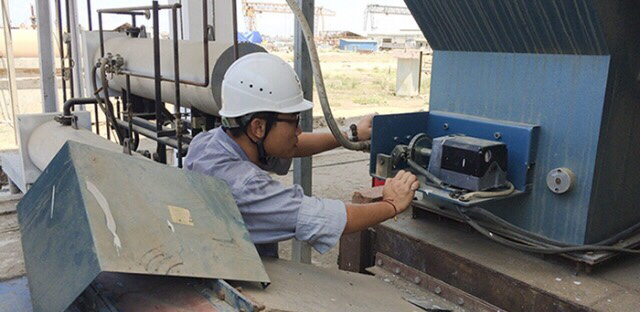
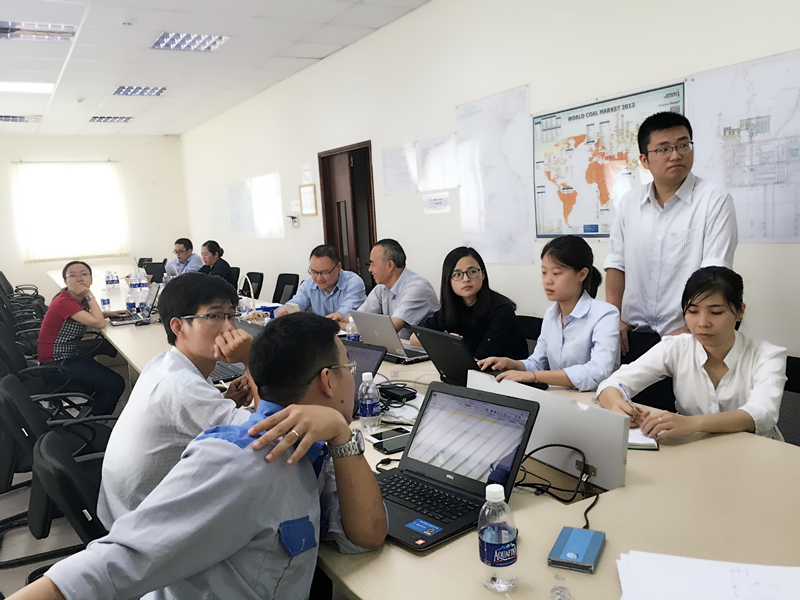
Zhan Jichao, Qin Jin, and Wang Yang all work for the China Energy Engineering Group Guangdong Electric Power Design Institute Co. Ltd (GEDI), a company focusing on infrastructure construction and energy and power planning. They participated in the Vietnam Duyen Hai Phase I Thermal Power Plant Project, and now they are playing their parts in the Vietnam Vinh Tan 1 Coal-fired Power Plant Project.
The contract for China’s biggest investment project in Vietnam, the Vinh Tan 1 Power Plant, signed in 2015 by GEDI, is an important step taken to execute “the Belt and Road” strategy implemented by China. The coal-fired power plant is expected to generate as much as 9 billion kilowatt hours of electricity annually by 2019 to help solve the power shortages in Vietnamese southern areas. It aims to improve Vietnam’s power supply and make contributions to the country’s economic development.
Chinese companies will operate the power plant for 25 years, after which Vietnam will take over without charge, marking the first BOT (Build-Operate-Transfer) investment by China in Vietnam. The transfer of technology and management ideas may have sustainable benefits for Vietnam.
Most of the materials and technology are provided by Chinese companies. The Plant comprises a whole industrial chain from planning, purchase, installation and operation to maintenance.
The competition of standards is a key to demonstrating a country’s industrial and technological prowess. China started late in the establishment and promotion of a Chinese standard, while the European standard, the American standard and the Japanese standard have been widely recognized in the international market. So at the beginning of the implementation of the Duyen Hai Project, Vietnamese proprietors and engineers didn’t believe in the Chinese standard. But through continuous communication, especially when they were informed of the distinctions between the different standards and the advantages of the Chinese standard, they gradually accepted it and applied it to Vietnamese projects. For the moment, the Project, meeting all the EPC contract requirements, has entered into the period of warranty and is in stable operation.
With the previous Duyen Hai Project as the basis, mutual trust has been built up between the two parties. In 2015 when the Vinh Tan Project began, Vietnamese proprietors had made it clear that "The Chinese standard is trustworthy because we have had a success story, and we definitely accept it!”
With the strong support from China’s government and all the industries in China, it’s believed that more and more “the Belt and Road” projects will be successfully implemented, and finally the Chinese standard will be widely recognized throughout the world.
In addition, these overseas connectivity projects will help align and coordinate the development strategies of the countries along the Belt and Road. The cooperation between China’s enterprises and foreign governments and their people will help enhance people-to-people and cultural exchanges, and mutual learning among the peoples of the relevant countries.
Message to students:
Zhan Jichao: Living in the best of times, we must seize opportunities and make our own contributions to the country's prosperity and development.
Qin Jin: Keep learning and thinking, try more new things, think big and just do it.
Wang Yang: Set clear goals, keep a firm belief, and make friends with excellent people.
By: Wang Qiuju
Editors: Sun Xiaofang and Ross Colquhoun
Weijin Road Campus: No. 92 Weijin Road, Nankai District, Tianjin
300072
Peiyangyuan Campus: No.135 Yaguan Road, Haihe Education Park, Tianjin
300350