

Chinese and French Writers Explore Literature and Cultural Connections at Tianjin University
Chinese writer Feng Jicai and French science fiction author Bernard Werber engaged in a literary dialogue at Tianjin University, sharing their perspectives on literary creation, cultural heritage preservation and the role of literature in connecting people from different cultural backgrounds.
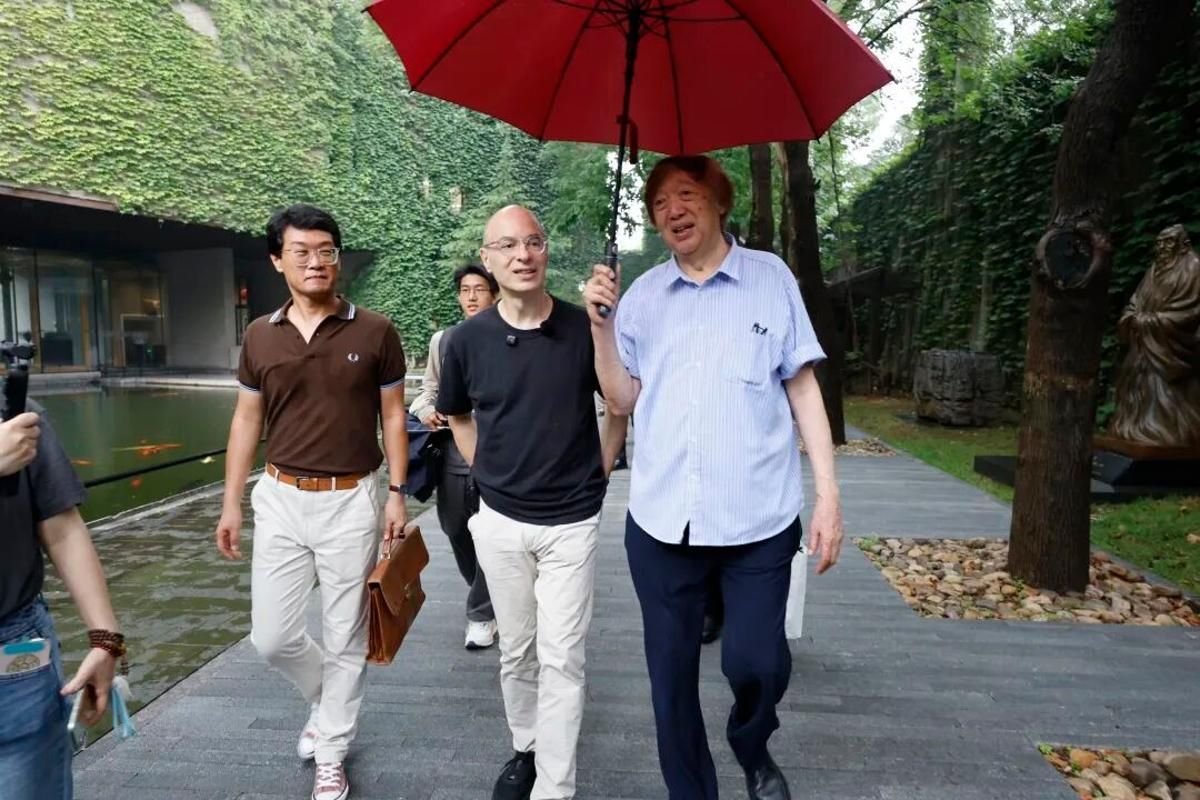
The event, titled “A Literary Dialogue on the Bridge between China and France,” was held at the Feng Jicai Museum of Tianjin University. Through discussions on writing, reading, civilization and cultural exchange, the two writers explored how literature can transcend geographical boundaries and foster mutual understanding between different cultures.
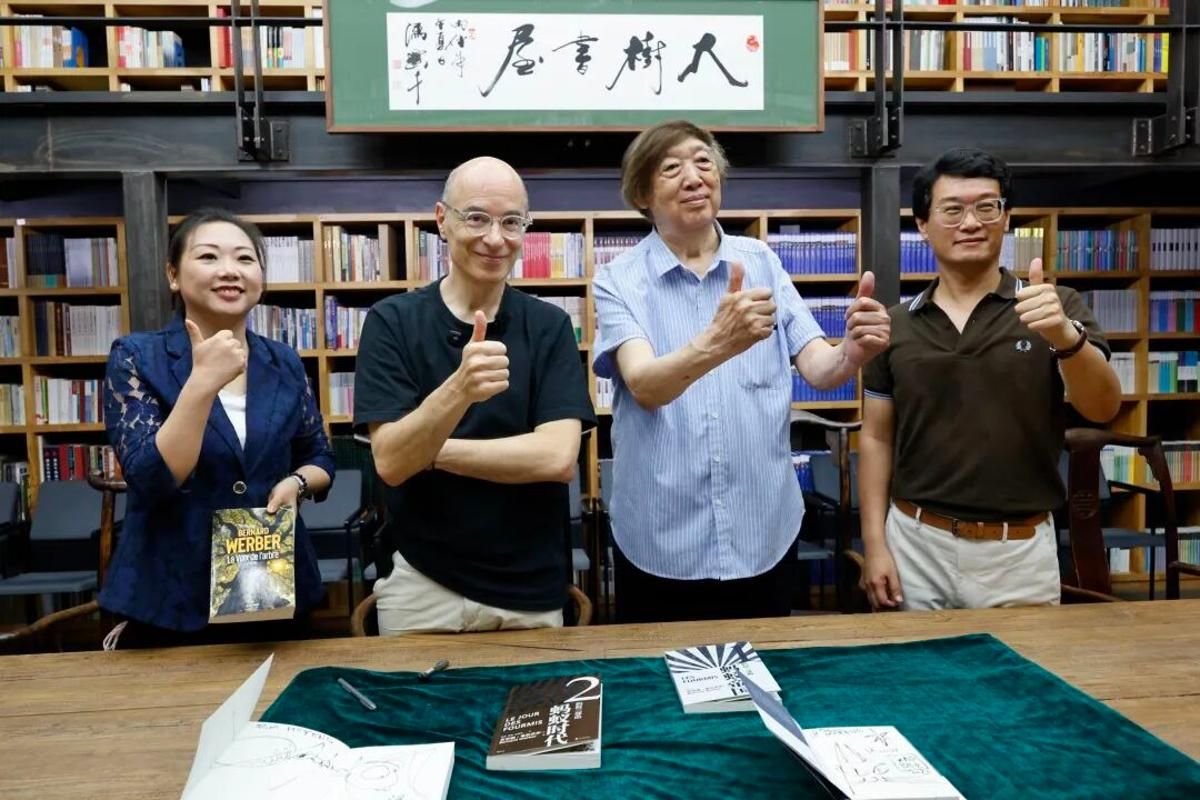
Feng Jicai, a renowned contemporary Chinese writer, painter and cultural heritage advocate, has devoted decades to literary creation and the protection of traditional culture. Bernard Werber, a well-known French science fiction writer, is widely recognized for his imaginative works that combine scientific knowledge with philosophical reflection. His representative work, the “Ant Trilogy,” has been translated into 57 languages and sold more than 35 million copies worldwide.

During the dialogue, the two writers shared their experiences in literary creation and discussed how writers can make profound ideas accessible to a broader audience.
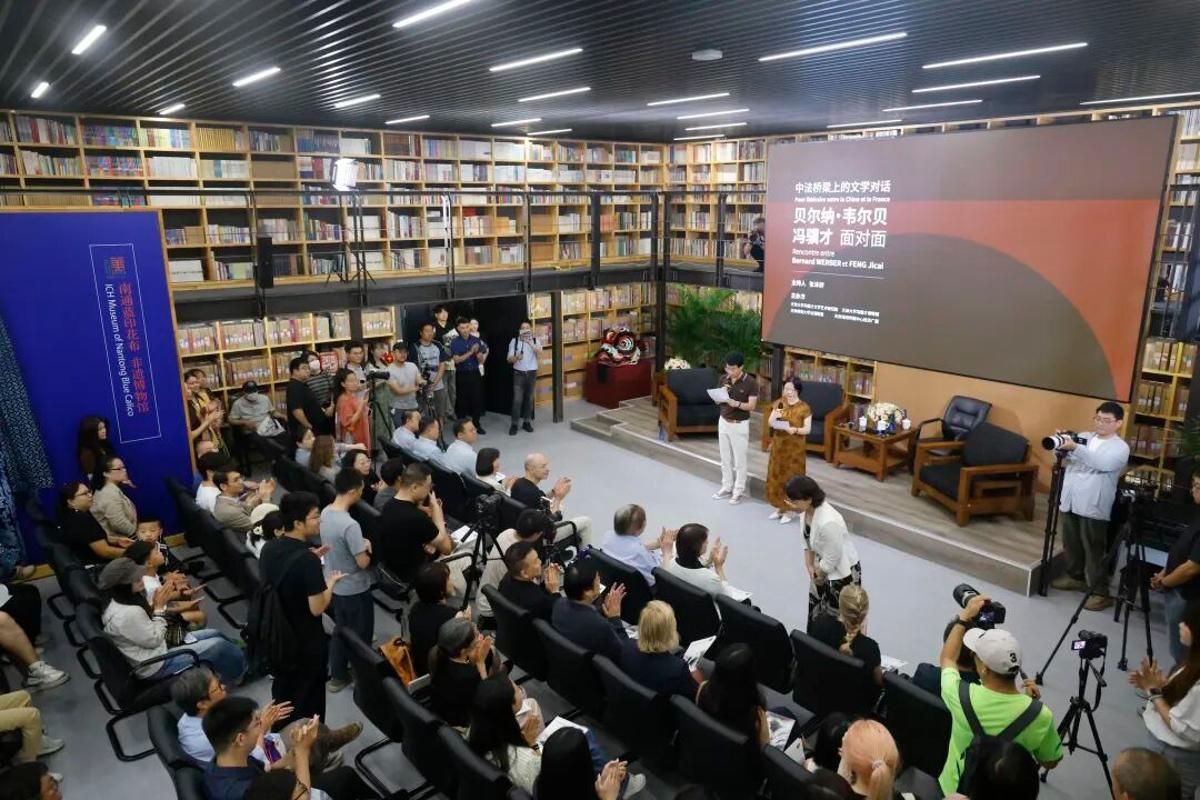
Feng spoke highly of Werber’s unique approach to writing, saying that Werber successfully integrates storytelling, scientific knowledge and philosophical thinking into his works, allowing readers to explore complex ideas through engaging narratives.
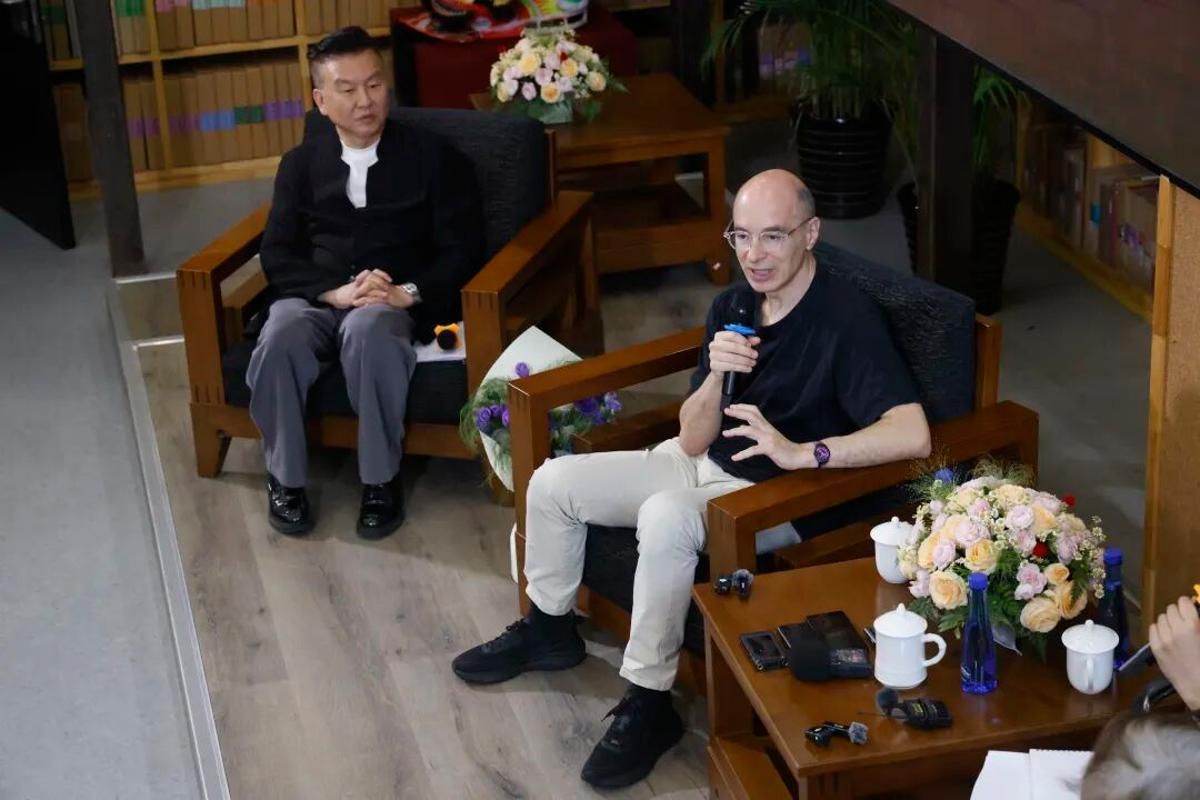
Werber said his background as a science journalist helped him explain complicated scientific concepts in a simple and understandable way. He also shared the process behind creating the “Ant” series, noting that the work took 12 years to complete and underwent 24 revisions.
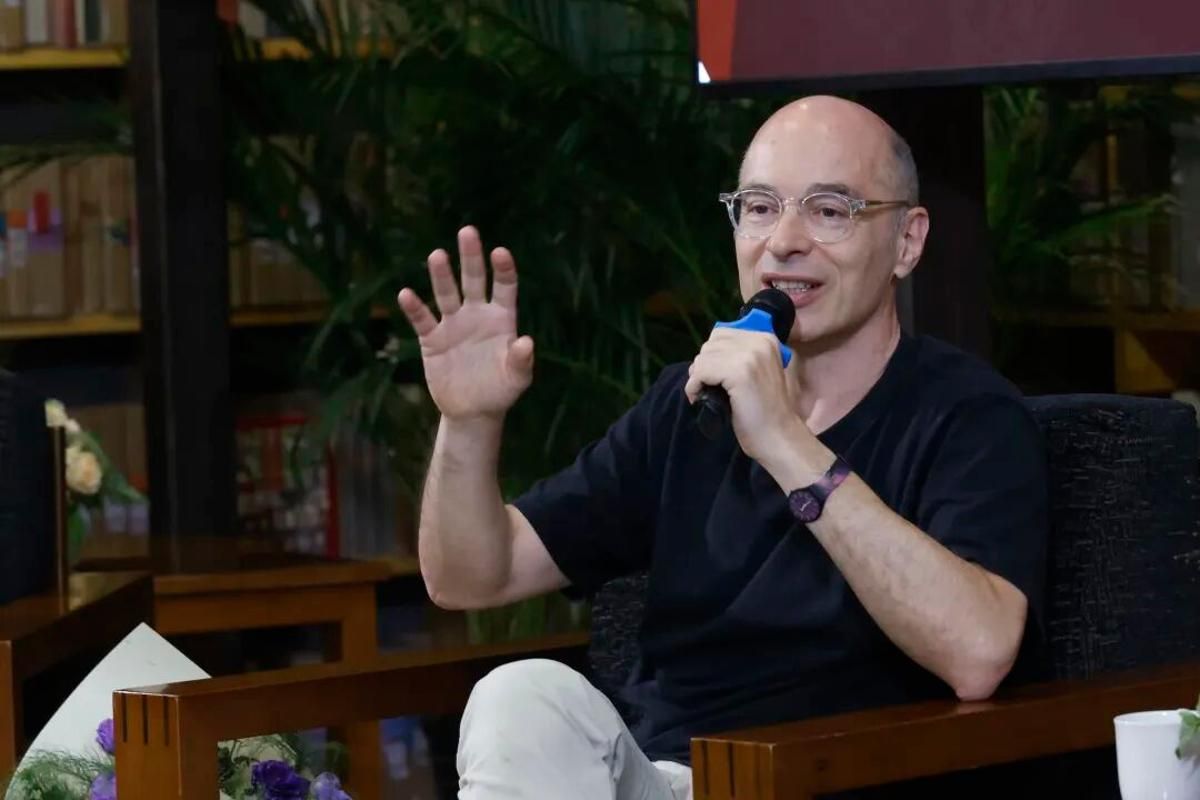
Both writers emphasized the importance of balancing depth and accessibility in literary creation.
Werber said that literature should not simply provide readers with conclusions, but should encourage them to think independently and explore different possibilities. Feng noted that Chinese literature has long pursued a balance between elegance and simplicity, adding that profound thoughts can often be expressed through clear and accessible language.
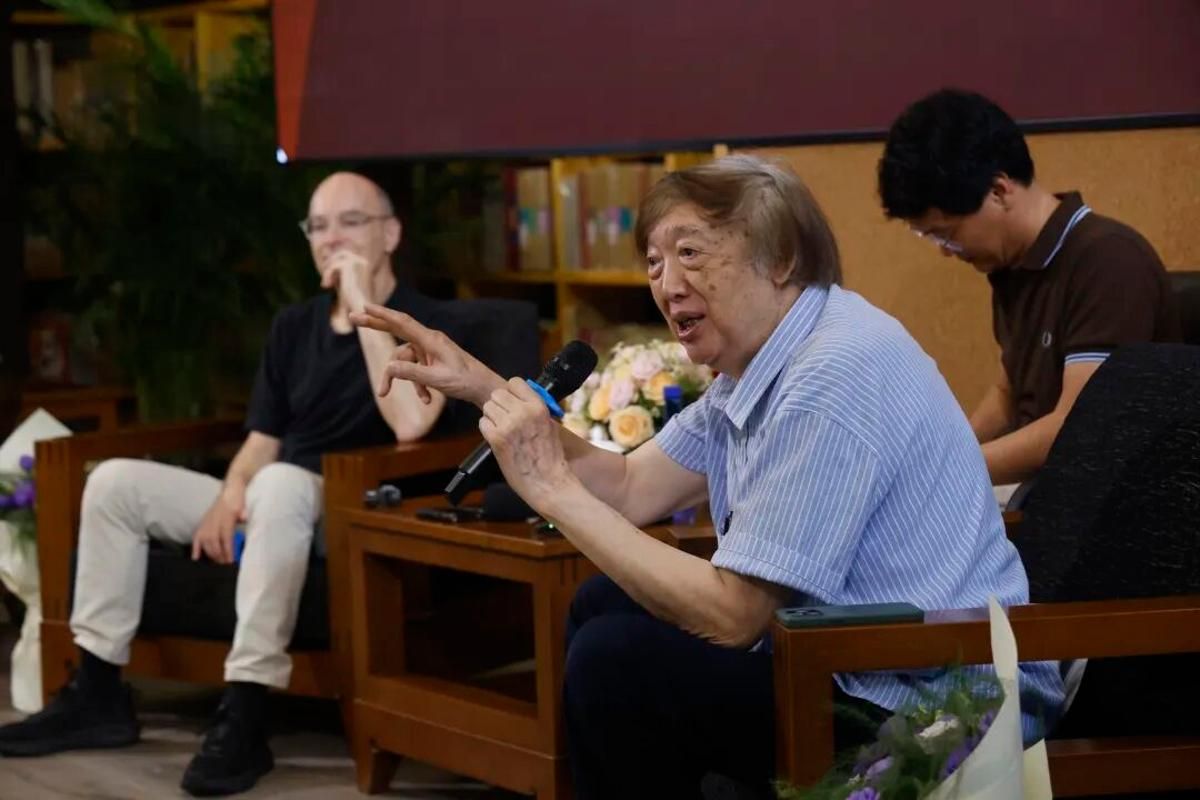
The two writers also discussed the responsibility of writers in contemporary society.
Feng said that while literature may not directly change people’s lives in the same way as science and technology, it can influence people’s understanding of beauty, kindness and truth.
Werber expressed concern about the declining interest in reading among young people in many countries. He said writers need to create works that are more attractive and meaningful in order to encourage younger generations to rediscover the value of reading.
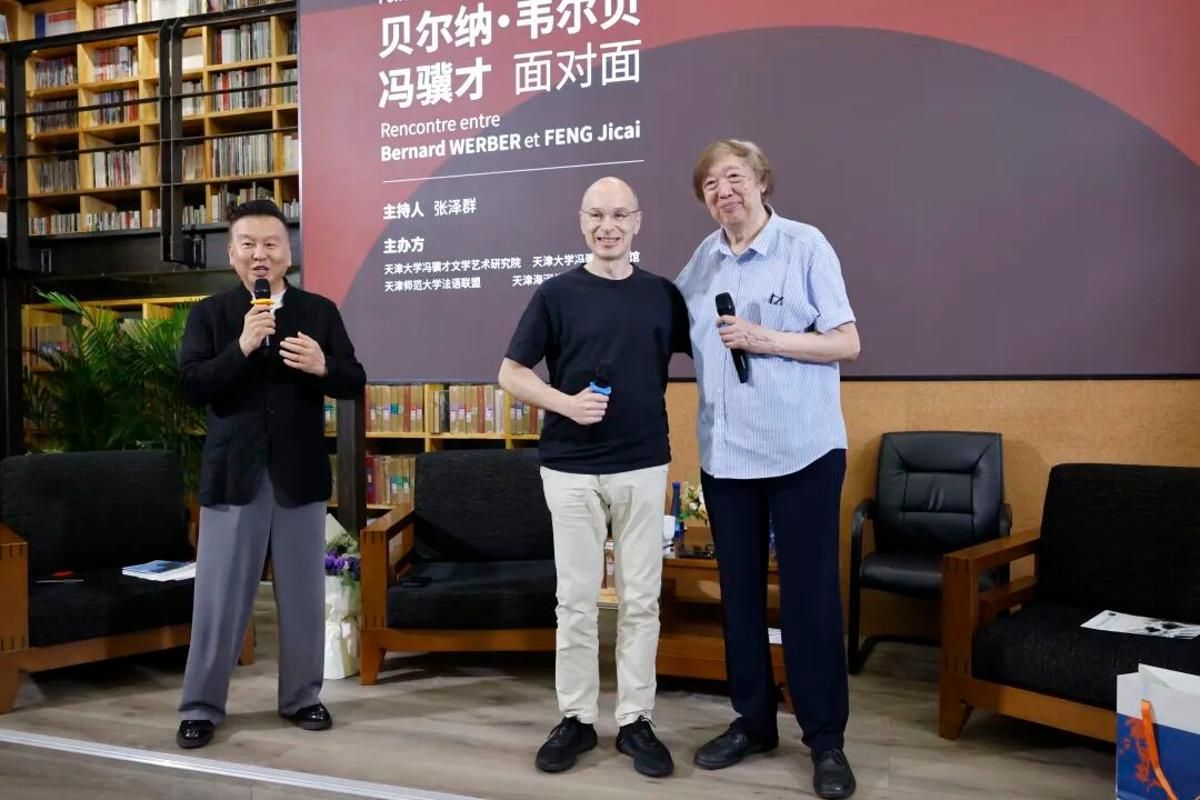
The conversation also touched on cultural heritage protection, an area that both writers have long been involved in.
Werber shared his appreciation for Chinese culture, saying that he has kept the Tao Te Ching as one of his favorite books for many years. Feng recalled that French approaches to cultural heritage protection had influenced his own efforts in preserving traditional culture.
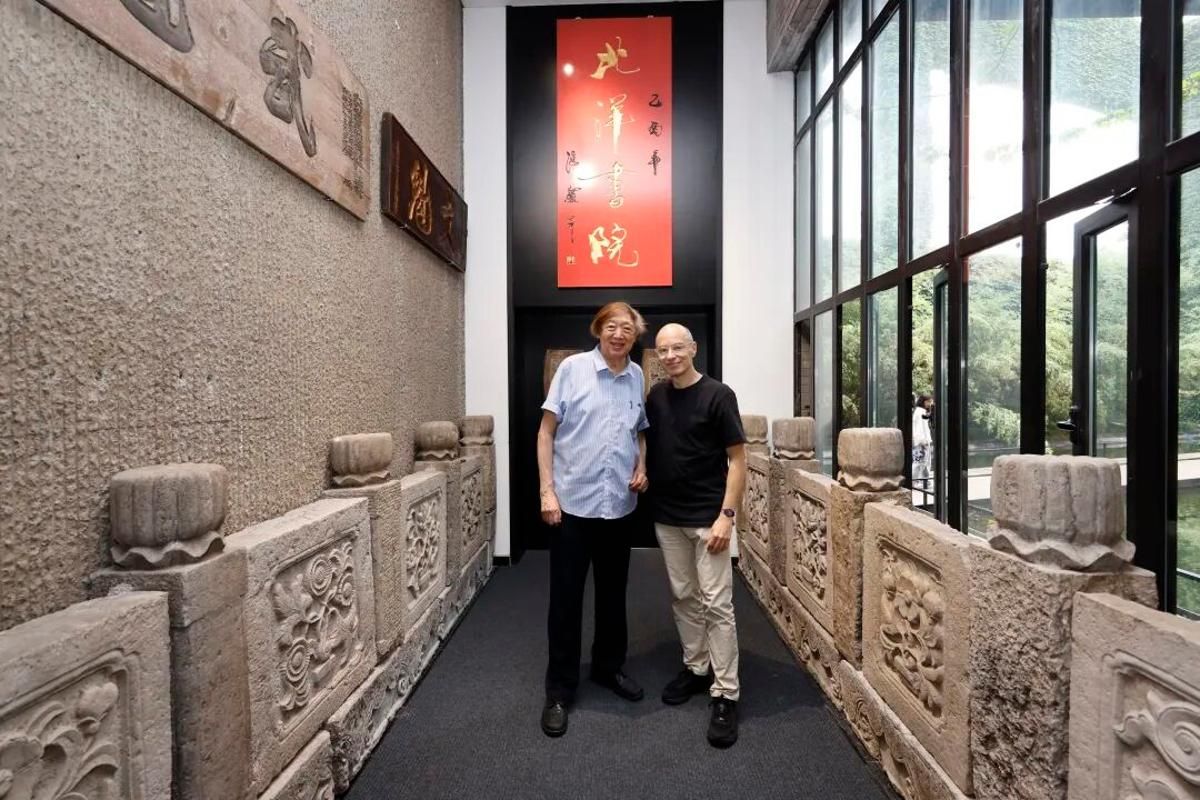
“Protecting our own civilizations is also for the shared benefit of all humanity,” Feng said, highlighting the common responsibility of different societies in safeguarding cultural heritage.
The dialogue provided a platform for Chinese and French writers to exchange ideas on literature and civilization, further promoting cultural communication and mutual understanding between China and France.
By: Qin Mian
Weijin Road Campus: No. 92 Weijin Road, Nankai District, Tianjin
300072
Peiyangyuan Campus: No.135 Yaguan Road, Haihe Education Park, Tianjin
300350