

Indonesian Students Explore Green Chemical Engineering and Cultural Connections at Tianjin University
A group of 26 students and faculty members from the Bandung Institute of Technology (ITB) in Indonesia visited Tianjin University for a two-week international summer camp focused on sustainable chemical engineering, exploring China’s advances in green technologies while experiencing the cultural heritage of Tianjin.
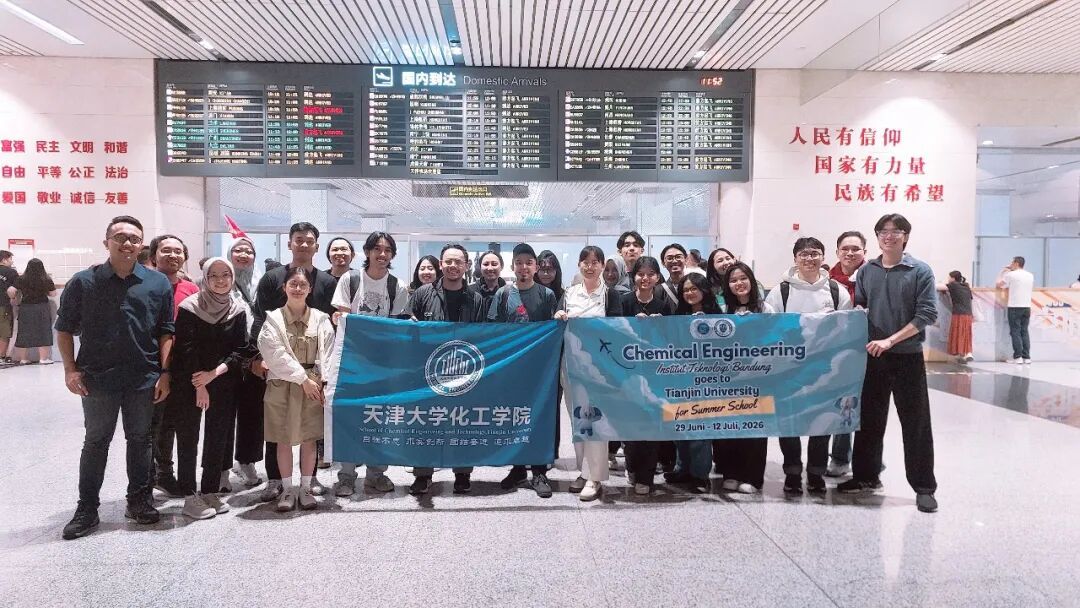
Organized by the School of Chemical Engineering and Technology at Tianjin University, the “International Summer Camp on Chemical Engineering for a Sustainable Future” provided participants with opportunities to engage in academic exchanges, laboratory visits, hands-on experiments and cultural activities. The program aimed to promote international collaboration in chemical engineering education and research while fostering friendship between young people from China and Indonesia.
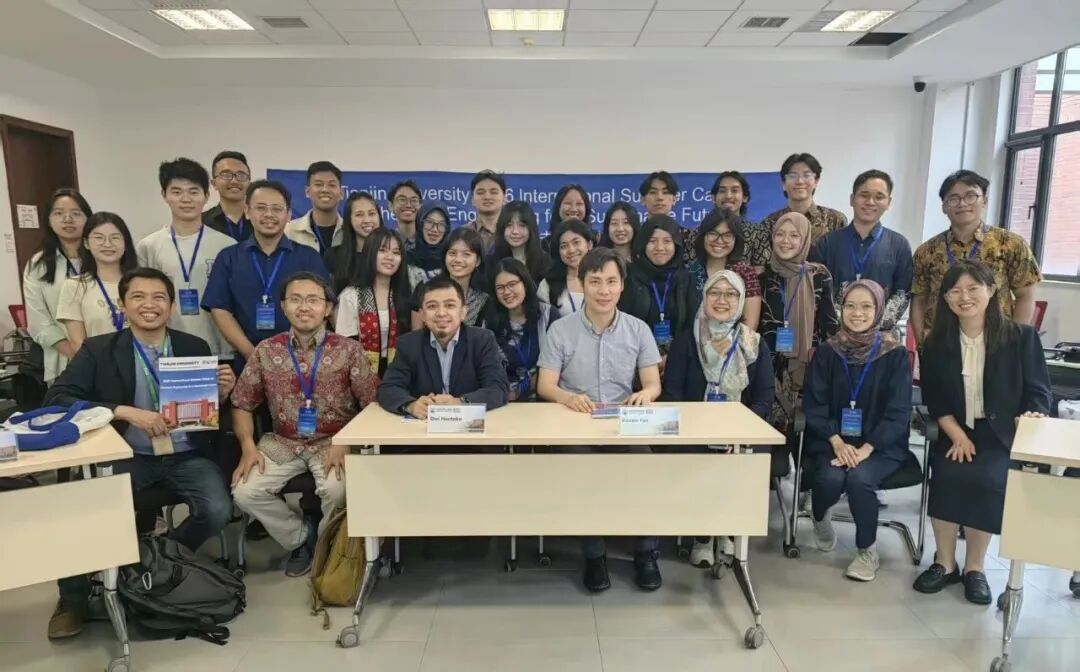
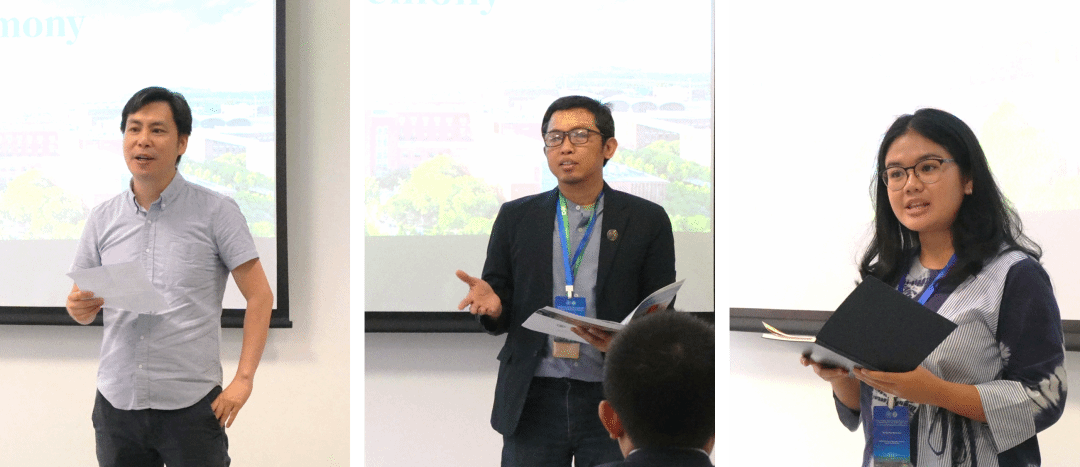
Centered on green chemical engineering and sustainable development, the summer camp highlighted China’s efforts and innovations in addressing global challenges such as climate change and promoting sustainable development. At the opening ceremony, Fan Xiaobin, dean of the School of Chemical Engineering and Technology at Tianjin University, welcomed the visiting faculty members and students from ITB, noting that the program would provide a valuable platform for enhancing academic exchanges and cooperation between the two institutions. Aqsha, an associate professor at ITB, expressed appreciation for Tianjin University’s thoughtful arrangements and voiced expectations for further collaboration in education and research. Student representative Maria Dewi also extended an invitation to Tianjin University students to visit ITB and take part in future academic exchanges and competitions.
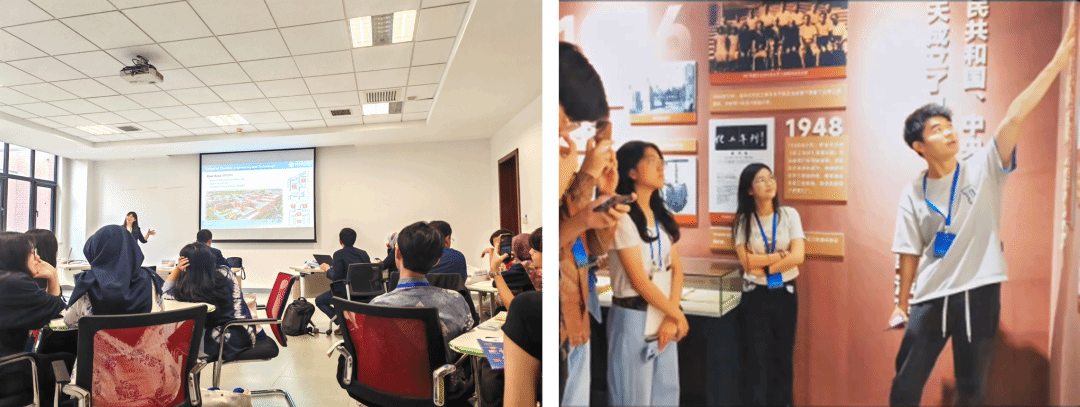
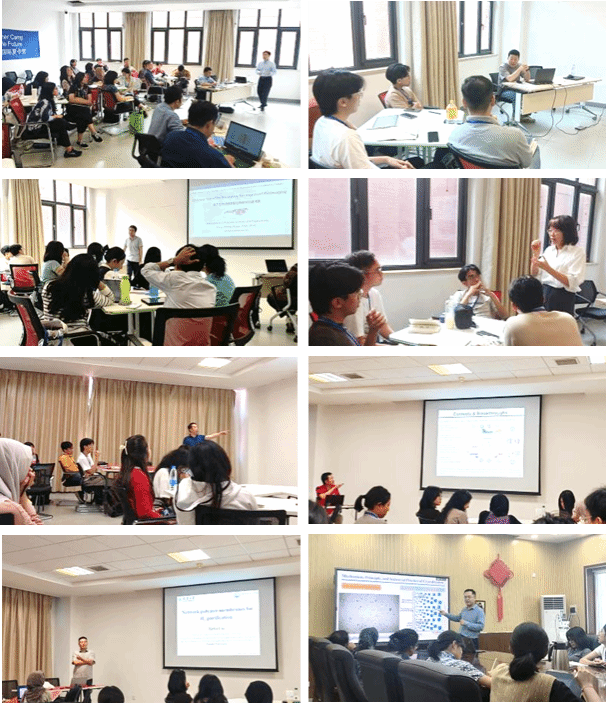
During the academic sessions, Tianjin University professors shared their latest research achievements in areas including low-carbon and intelligent chemical engineering, resource recycling, advanced materials, catalytic technologies, clean energy and hydrogen purification. The participants also visited several major research platforms, including the State Key Laboratory of Chemical Engineering and Low Carbon Technology, the International Joint Laboratory for Low Carbon Energy Chemical Engineering, and other laboratories focusing on green synthesis, crystallization engineering, membrane technology and functional materials.
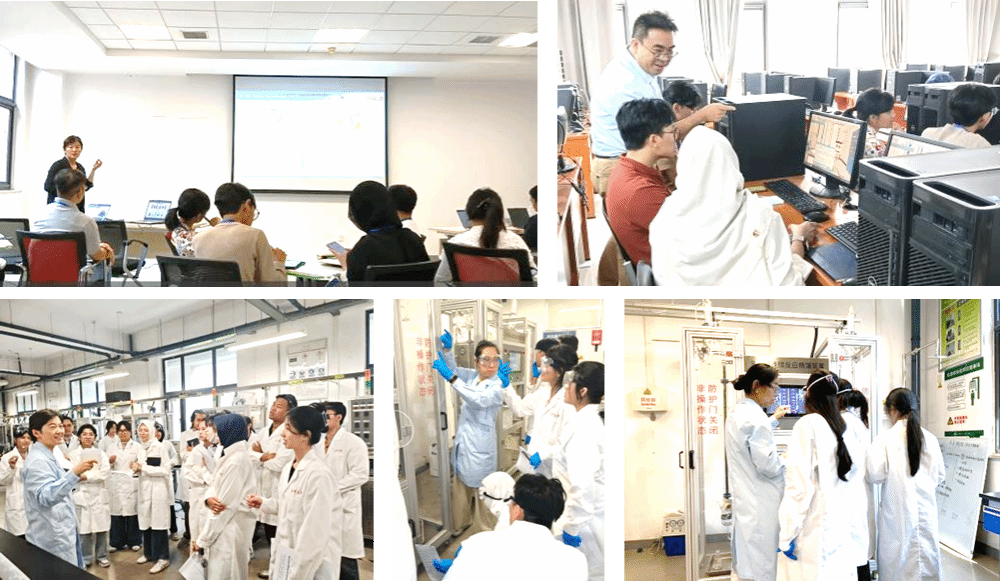
The summer camp also emphasized practical learning. Through laboratory safety training, virtual simulation experiments, chemical engineering operations and experimental courses, Indonesian students gained firsthand experience of Tianjin University’s practice-oriented approach to chemical engineering education. The university’s integration of cloud-based remote experiments and artificial intelligence-assisted assessment systems also demonstrated new possibilities for international sharing of educational resources.
A highlight of the program was the Chem-E-Car competition, where Indonesian students worked in teams to design and adjust chemical-powered vehicles. Guided by Tianjin University’s Chem-E-Car team, participants calculated reactant quantities, optimized reaction rates and tested energy conversion systems to complete transportation tasks. The competition allowed students to experience the integration of chemical engineering, automation and innovation while strengthening communication and teamwork among young researchers.
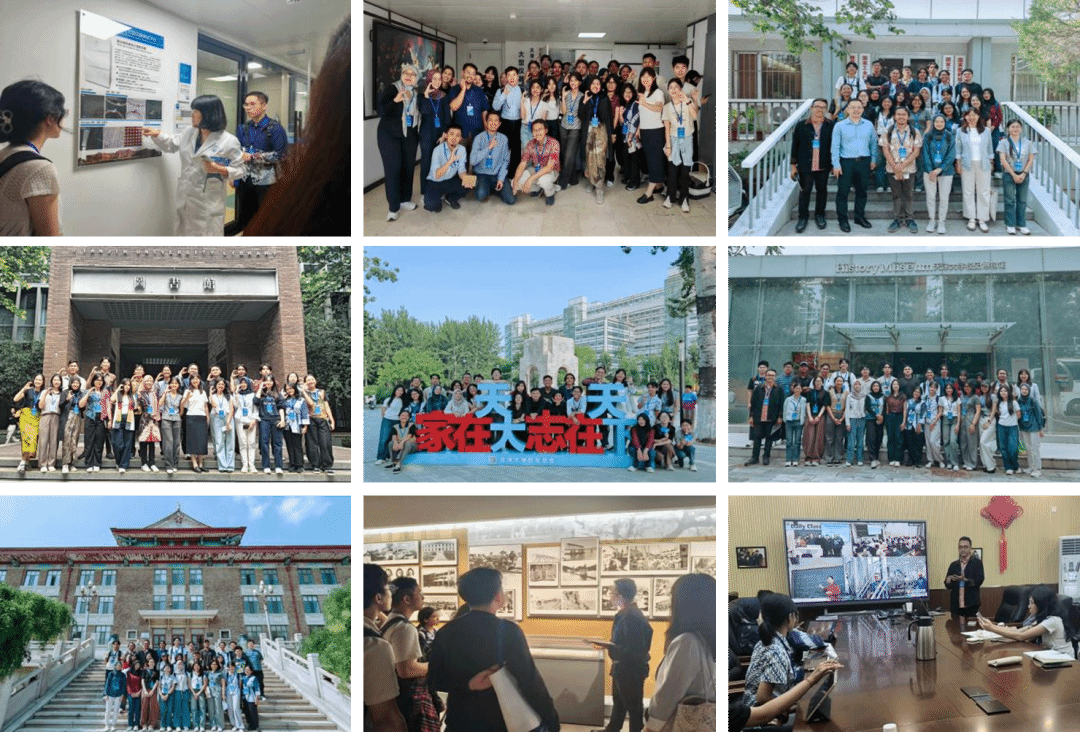
Beyond academic exchanges, the program also offered participants opportunities to explore Chinese culture and Tianjin’s history. Through Chinese language courses and cultural lectures, students learned about traditional Chinese concepts such as harmony and cooperation. They visited historic sites including Shijia Mansion in Yangliuqing Ancient Town, the Porcelain House, the Five Great Avenues, the Italian Style Area and Tianjin Museum, gaining a deeper understanding of the city’s cultural diversity and historical development.
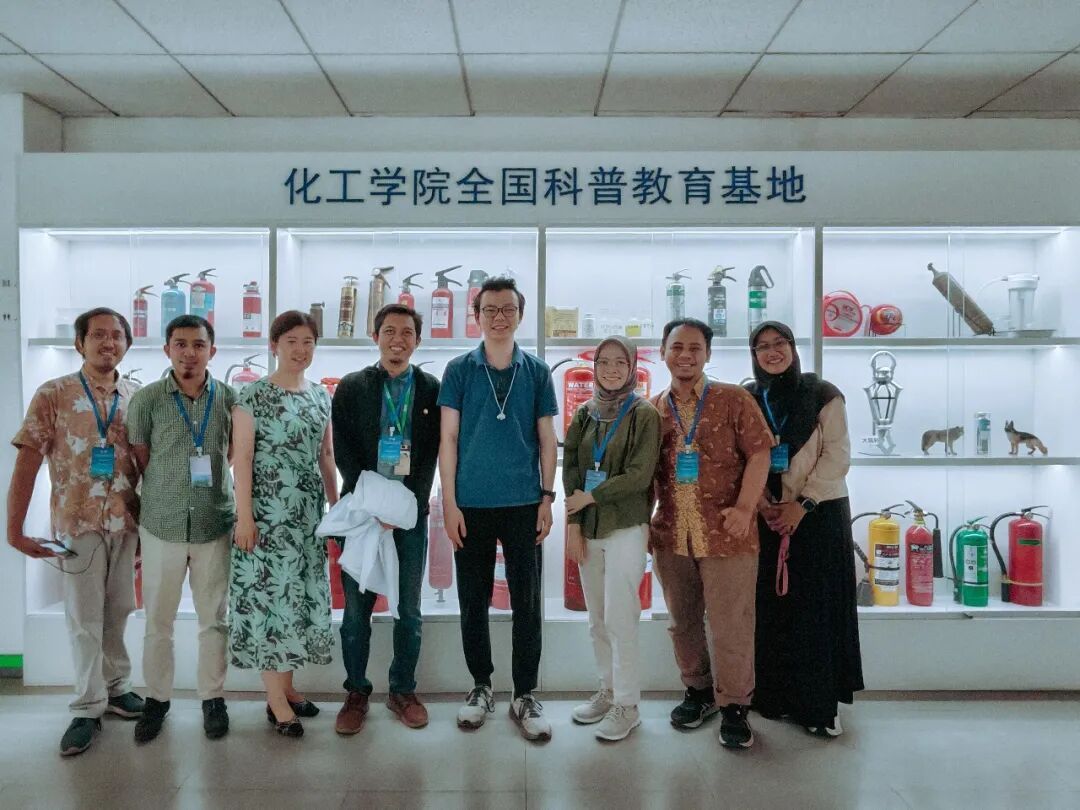
The participants also visited Tianjin’s chemical industry sites, including the Nangang Industrial Park and Huang Hai Chemical Industry Research Institute, learning about the transformation of China’s chemical industry from traditional manufacturing toward high-end, green and sustainable development. Displays of sustainable aviation fuel, electronic fluorinated liquids, advanced polymers and other innovative products offered students a glimpse into the future of chemical technology.
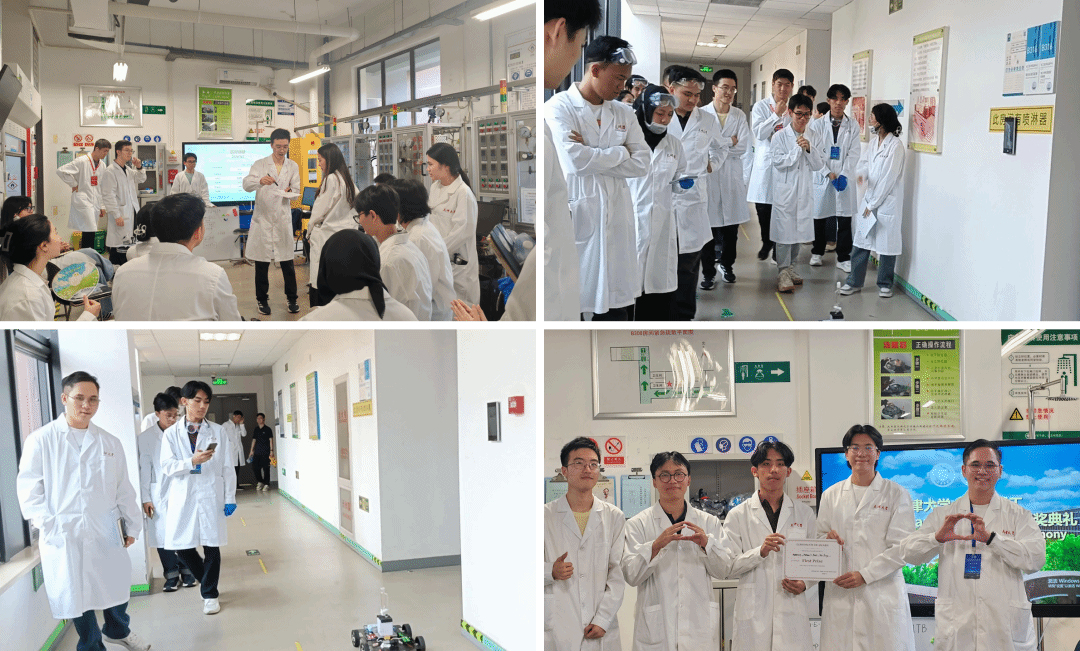
At the closing ceremony, representatives from ITB expressed appreciation for the learning opportunities provided by Tianjin University. They said the program not only allowed them to experience advanced research facilities and scientific achievements, but also helped them better understand the university’s educational philosophy and commitment to innovation.
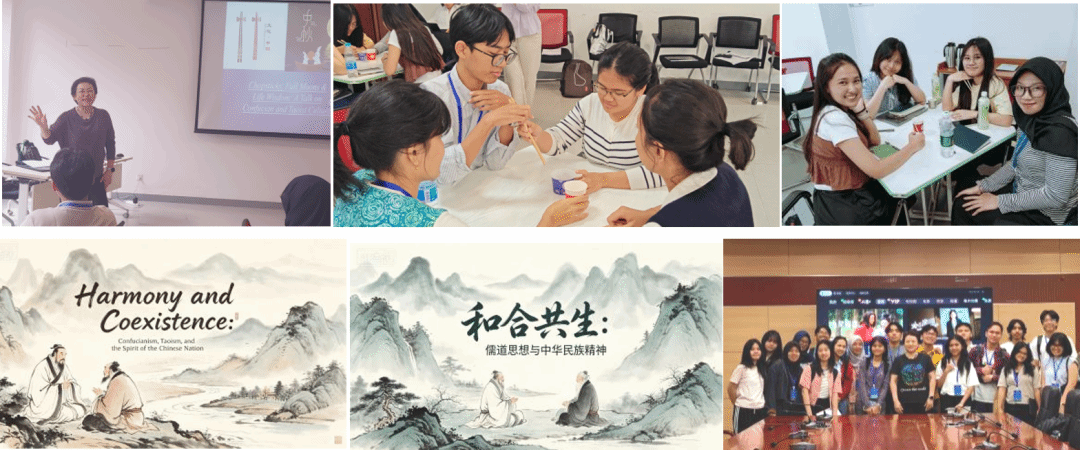
During the visit, faculty members from both universities held discussions on teaching cooperation, scientific research collaboration and laboratory education reform. The two sides exchanged views on joint talent training, international research projects and future cooperation opportunities.
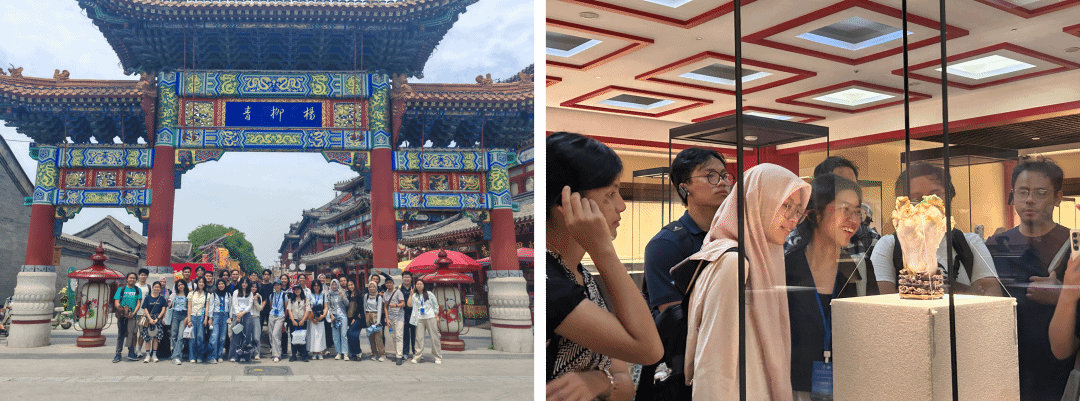
Through academic exchange and cultural interaction, the summer camp built a bridge connecting young people from China and Indonesia. By sharing knowledge in green chemical engineering and creating opportunities for mutual understanding, Tianjin University and ITB are working together to contribute to global sustainable development and strengthen educational cooperation between the two countries.
By: Qin Mian
Weijin Road Campus: No. 92 Weijin Road, Nankai District, Tianjin
300072
Peiyangyuan Campus: No.135 Yaguan Road, Haihe Education Park, Tianjin
300350