


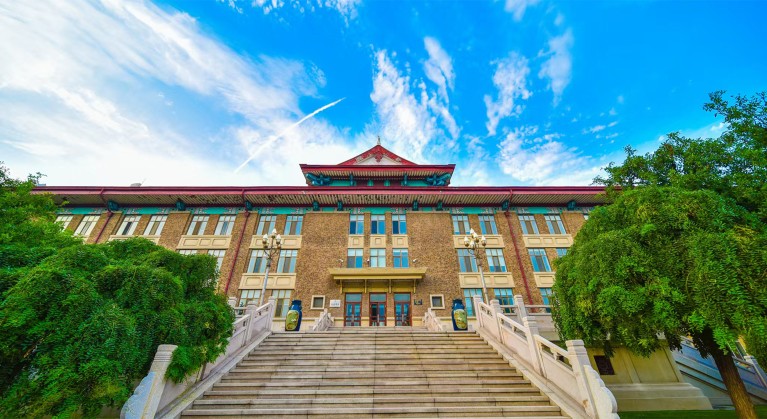
Building on its engineering strengths, Tianjin University, 30 minutes southeast of Beijing by train, aims to become a world-class research university by 2035.
In this Q&A, Liyuan Chai, Tianjin University president, outlines its accelerated push towards the ranks of the world’s leading universities, and why its offering could be attractive to researchers considering a move to China.
What are the university’s key research priorities?
Tianjin University boasts long-standing, deep expertise in engineering and related interdisciplinary disciplines. This has allowed globally recognized teams to flourish across a variety of fields, including integrated circuits, brain-computer interfaces, synthetic biology and low-altitude airspace technologies, such as drones and vertical take-off aircraft. To stay at the fore of emerging fields, in 2025 we launched new schools of artificial intelligence and synthetic biology.
How are you building on research strengths to make Tianjin University a world-class university?
Tianjin University was China’s first modern, more Western-style university. Since its founding in 1895, it has stayed true to its mission to strengthen China through education, and true to its motto: ‘seeking truth from facts’. That ethos now drives our shift from a university that follows to one that leads.
Our goal is to become a world-class research university by 2035, and we are advancing reforms to strengthen research capacity, enhance teaching excellence and deepen global engagement. We are refining our evaluation system to prioritise quality, integrity, meaningful disciplinary contributions and long-term impact.
Building on our prowess in engineering, we launched the ‘Engineering Education 3.0’ framework in 2025 to prepare students for emerging technological challenges. It advances interdisciplinary, competency-based curricula and integrates AI-enabled tools into teaching to create a more innovative and adaptive engineering education ecosystem.
What else are you doing to achieve this?
We are expanding global partnerships through joint programmes and research collaborations, particularly across Asia, eastern Europe and the global south, while strengthening support for our growing community of international students.
By attracting and supporting outstanding faculty, we strengthen the academic leadership needed to tackle pressing scientific and societal challenges.
What are you doing to attract leading global talent?
We have a ‘scholar-centred’ approach to international talent development, whereby international academics who relocate have access to national-level research platforms, and are allocated start-up funds, a research team, and dedicated lab space. This enables them to rapidly begin substantive programmes.
During recruitment, we look beyond narrow, short‑term indicators to consider long‑term potential and disciplinary fit, while also focusing on the strategic priorities of schools.
How do you position early-career researchers for success?
We focus on helping young scholars integrate quickly into meaningful research. Early-career faculty are encouraged to participate in key projects and research platforms from the outset, with clear directions and responsibilities, speeding academic development.
We also stress the importance of engaging with international academics. Tianjin University supports overseas research visits, and collaboration with global institutions and research programmes, so that young researchers quickly build global academic networks.
How do you help with the process of relocation and settling in?
The university provides personalized support for both international and early-career scholars, covering housing, healthcare, residency procedures, and schooling for children. We work with local government partners in Tianjin to create a welcoming environment that allows scholars to focus on their research and pursue questions that interest them.
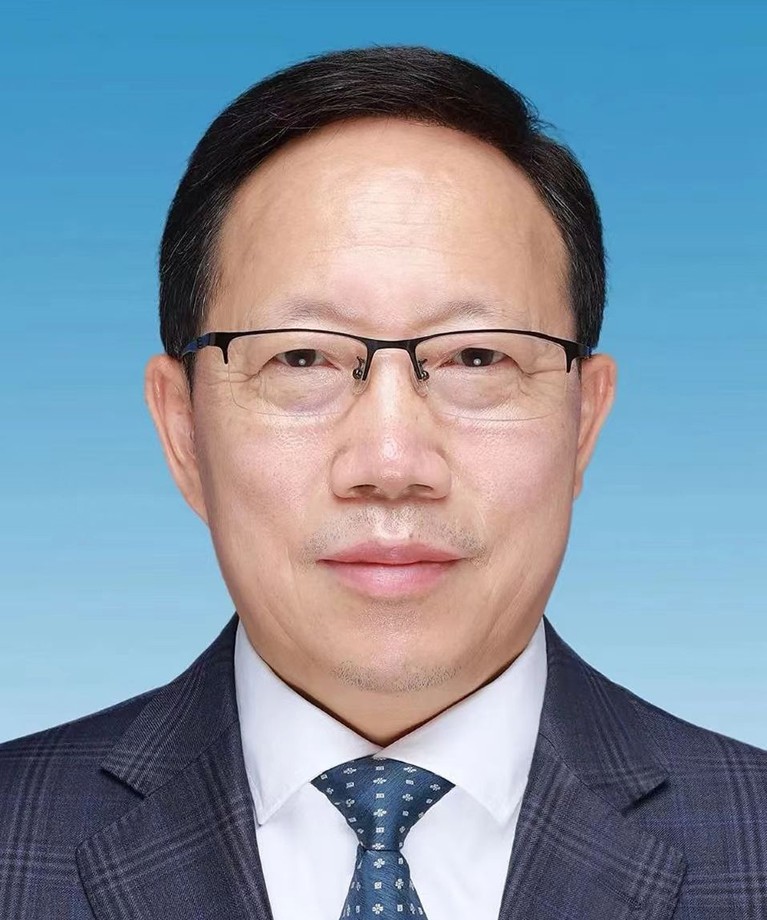
Liyuan Chai, president of Tianjin University and a member of the Chinese Academy of Engineering (CAE).
Seeking a vibrant, rapidly developing research environment? To find out more about employment or collaboration opportunities for global academics at Tianjin University, visit https://en.tju.edu.cn or contact talent@tju.edu.cn.