

The 3rd State Key Laboratory Meeting of Hydraulic Engineering Intelligent Construction and Operation Held
The Third Academic Committee Meeting of the State Key Laboratory of Hydraulic Engineering Intelligent Construction and Operation was attended by members of the Laboratory's Academic Committee, including Vice Chairman Academician Wang Chao, and members Academicians Hu Chunhong, Niu Xinqiang, Ni Jinren, Wang Fuming, Li Huajun, Tang Hongwu, Zhang Zongliang, Zhou Chuangbing, and Professor Lian Jijian. Participants joined both online and offline.
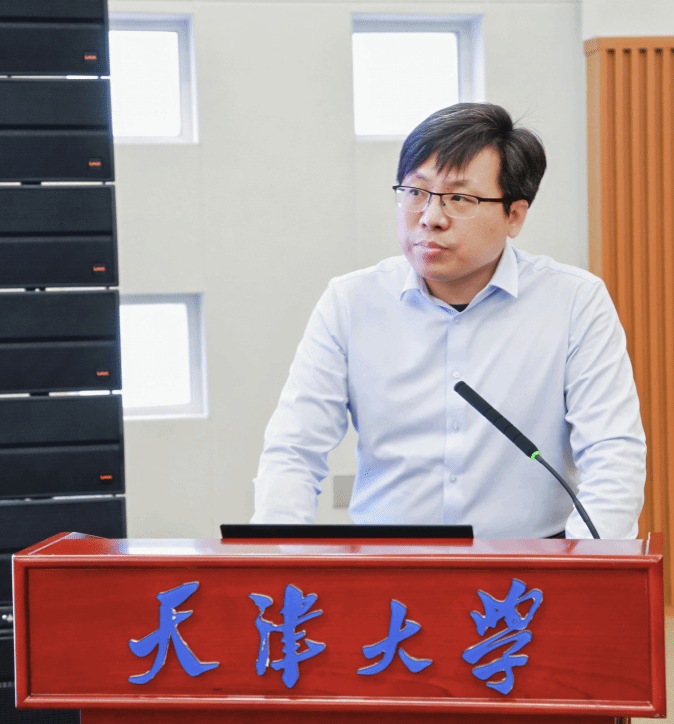
Academician Chai Liyuan, President of Tianjin University, attended the meeting and delivered an opening speech. Also present were Vice President Professor Zheng Gang, Deputy Party Secretary Professor Han Qinghua, along with over 80 representatives from the university's Research Institute, the School of Civil Engineering, laboratory leadership, and academic core members. The main session was chaired by Academic Committee Vice Chairman Academician Wang Chao, while the opening and closing ceremonies were presided over by Fu Yindan, Executive Dean of the Office of Science and Technology and Director of the Department of Industry-Academia Cooperation and Technology Transfer.
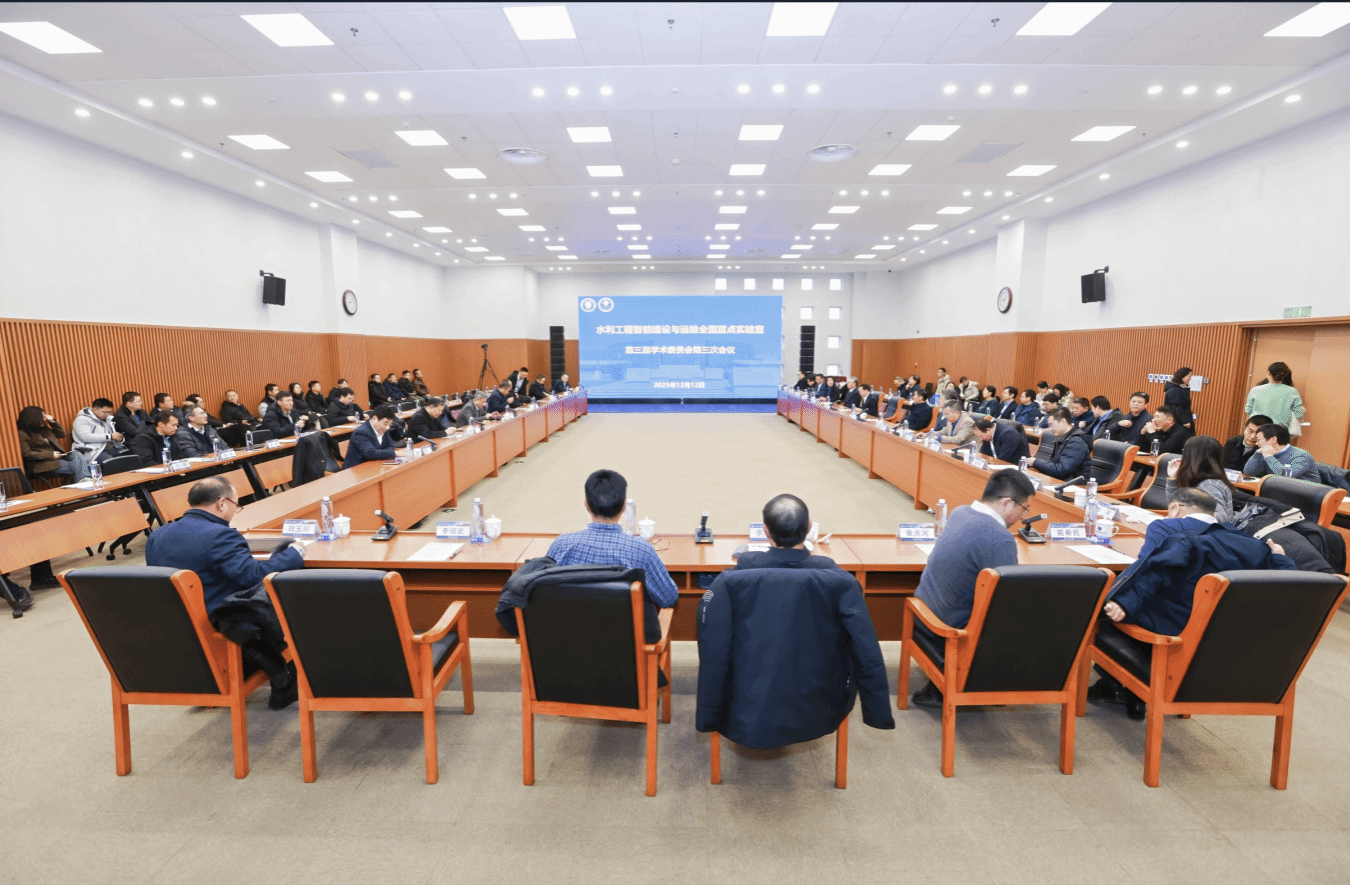
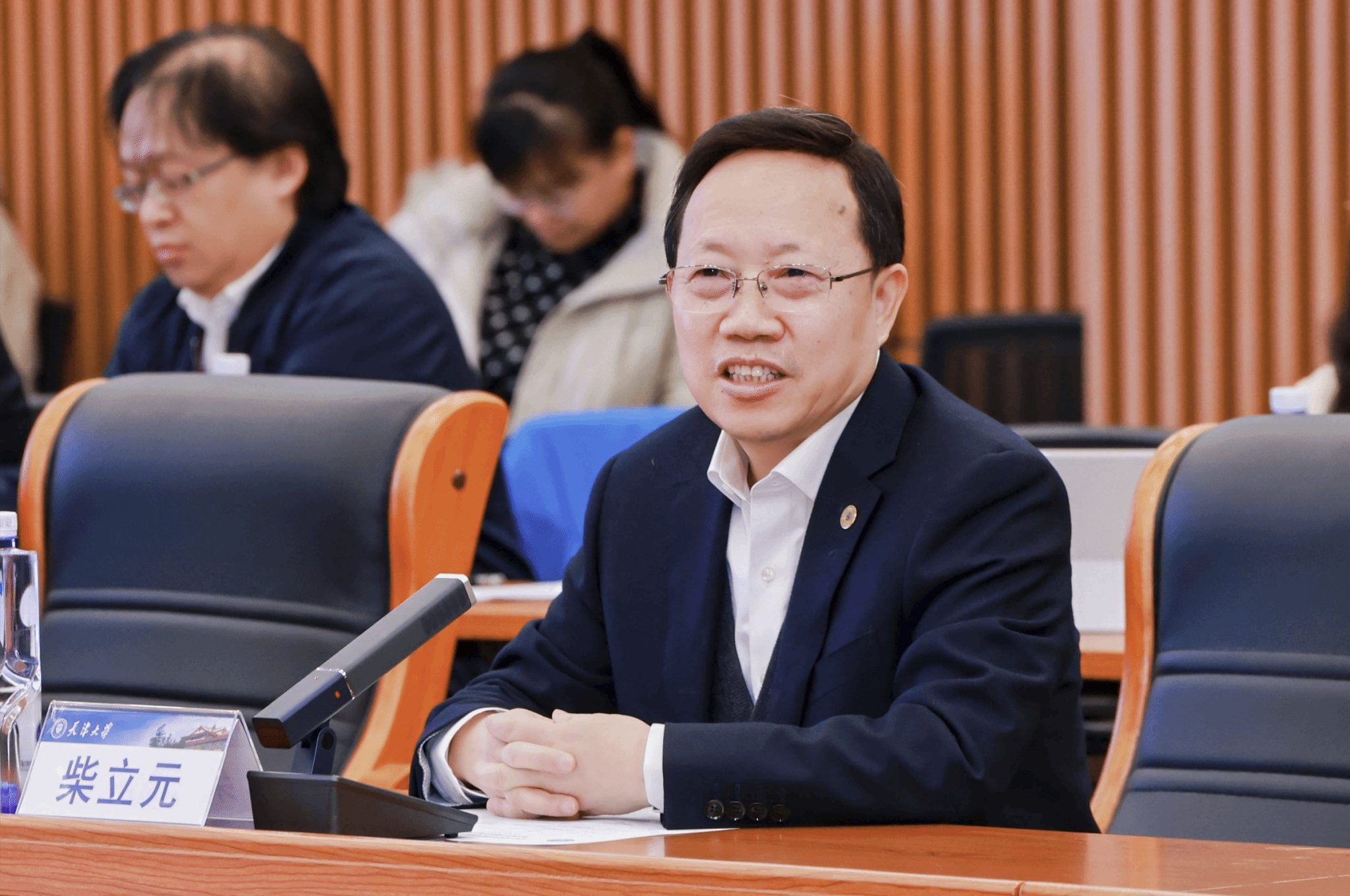
In his speech, President Chai Liyuan expressed sincere gratitude to the committee members for their long-term support. He emphasized that the laboratory is in a crucial phase as it prepares for its evaluation and assessment. He urged the committee to provide strategic guidance to help the laboratory tackle core challenges in the water conservancy industry, produce influential landmark achievements, and demonstrate Tianjin University's commitment to serving major national strategies.
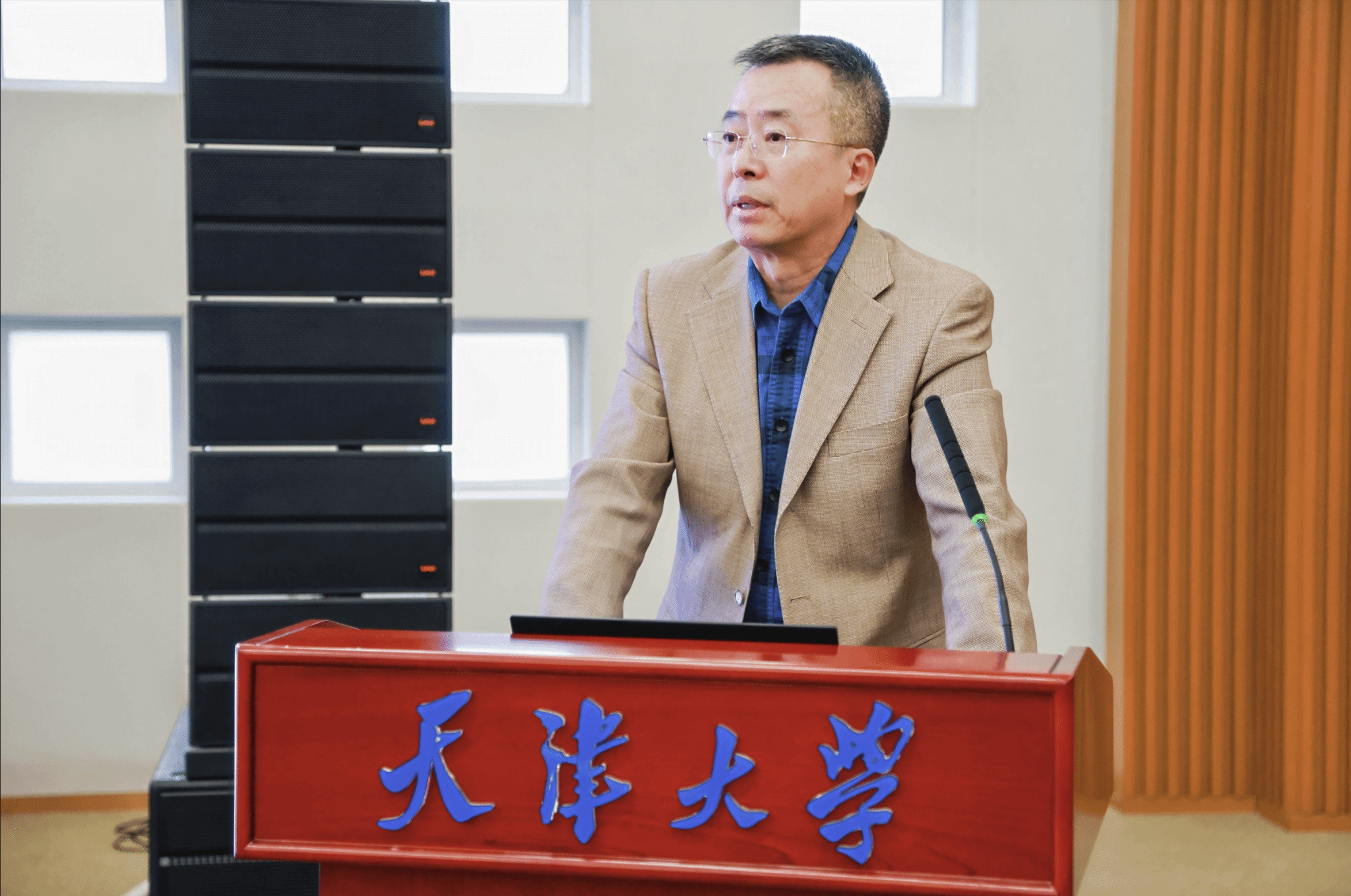
Laboratory Director Professor Feng Ping presented the annual work report, detailing the laboratory's progress in 2025 in terms of research results, team building, talent cultivation, and operational management, along with plans for the next year. He reported that the laboratory has undertaken a number of major national research projects, participated in preliminary studies and construction for strategic national projects, and witnessed the launch of the National Facility for Earthquake Engineering Simulation. In the future, the laboratory will focus on five key tasks, including advancing basic and applied research linked to practical outcomes and tackling core technologies for hydroelectric projects in complex conditions.
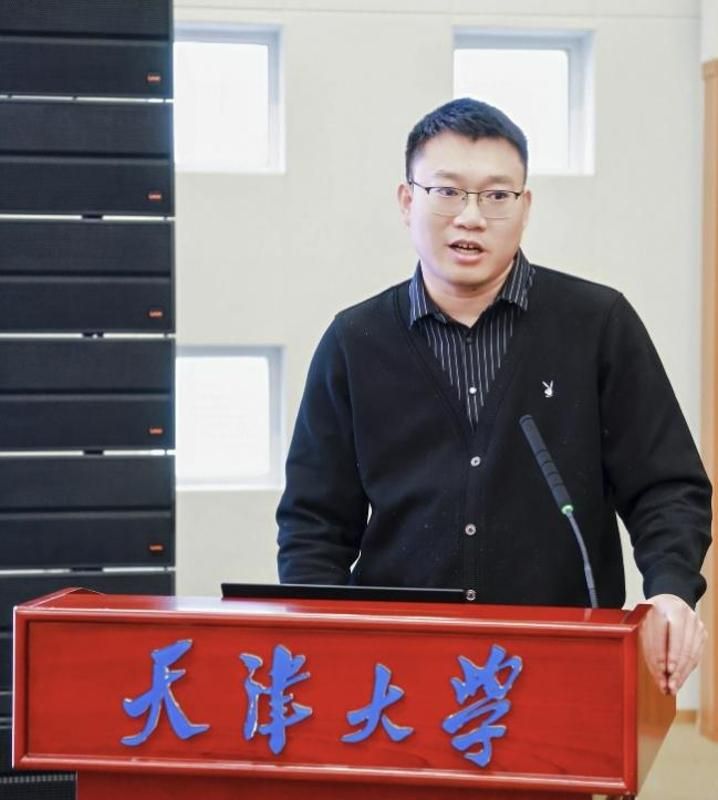
During the academic exchange session, the laboratory's national-level young talents, Professor Wang Jiajun and Professor Ma Chao, delivered keynote presentations on two cutting-edge topics: "Intelligent Construction Theories, Methods and Equipment for High Dam Engineering" and "Multi-Source Driven Complementary Development of Basin Clean Energy and Energy-Water Management." They shared the latest research findings and practical explorations, which garnered extensive attention from the committee members.
The Academic Committee unanimously acknowledged the laboratory's outstanding achievements over the past year and offered valuable suggestions for its future development. Recommendations included strengthening basic theoretical research on intelligent construction, enhancing practical application, making breakthroughs in AI theories and key technologies, promoting interdisciplinary collaboration, and focusing on major national needs within the water conservancy sector to better serve strategic national projects. The committee also advised the laboratory to summarize its achievements well in preparation for its upcoming evaluation and to plan scientifically for the next Five-Year-Plan period, aiming to become a national core scientific and technological force in the field of hydraulic engineering intelligence.
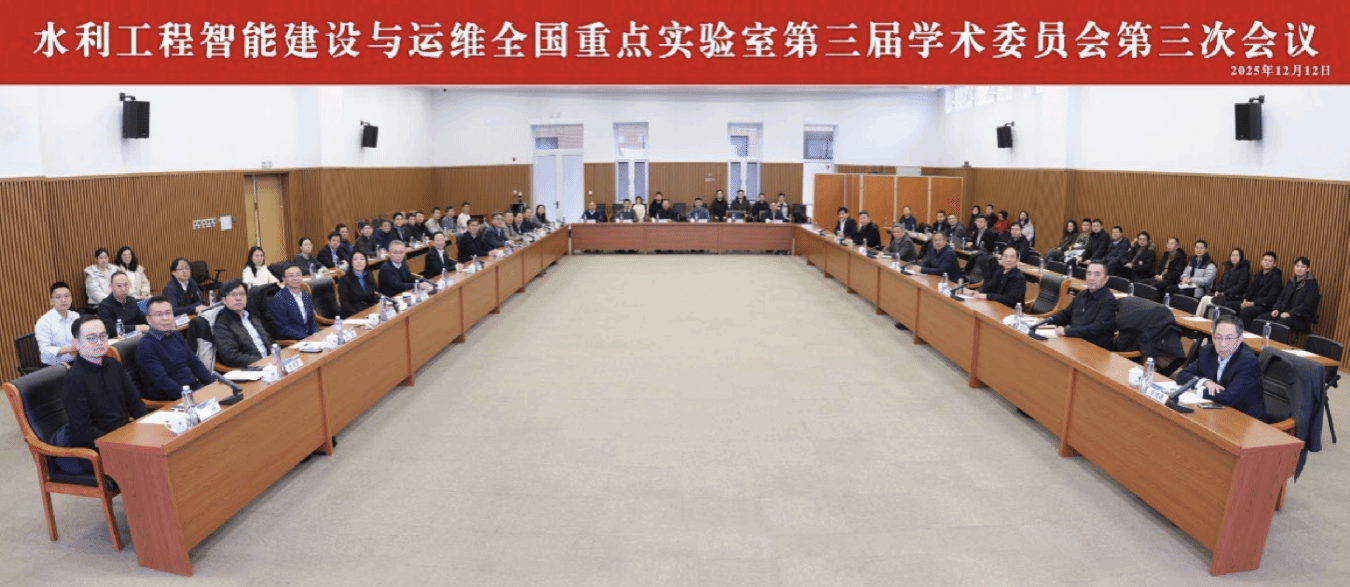
The successful convening of this meeting has helped clarify the laboratory's development direction and core tasks for the next stage, building consensus and gathering strength. The laboratory will diligently incorporate the guidance from the Academic Committee, continue to advance core technologies in intelligent construction and operation & maintenance of hydraulic engineering, and provide stronger scientific and talent support for the high-quality development of China's water conservancy sector.
By: Xu Mengqian
Editor: Xiao Chengyu
Weijin Road Campus: No. 92 Weijin Road, Nankai District, Tianjin
300072
Peiyangyuan Campus: No.135 Yaguan Road, Haihe Education Park, Tianjin
300350