

Feng Jicai Museum Opens, Celebrating Folk Heritage
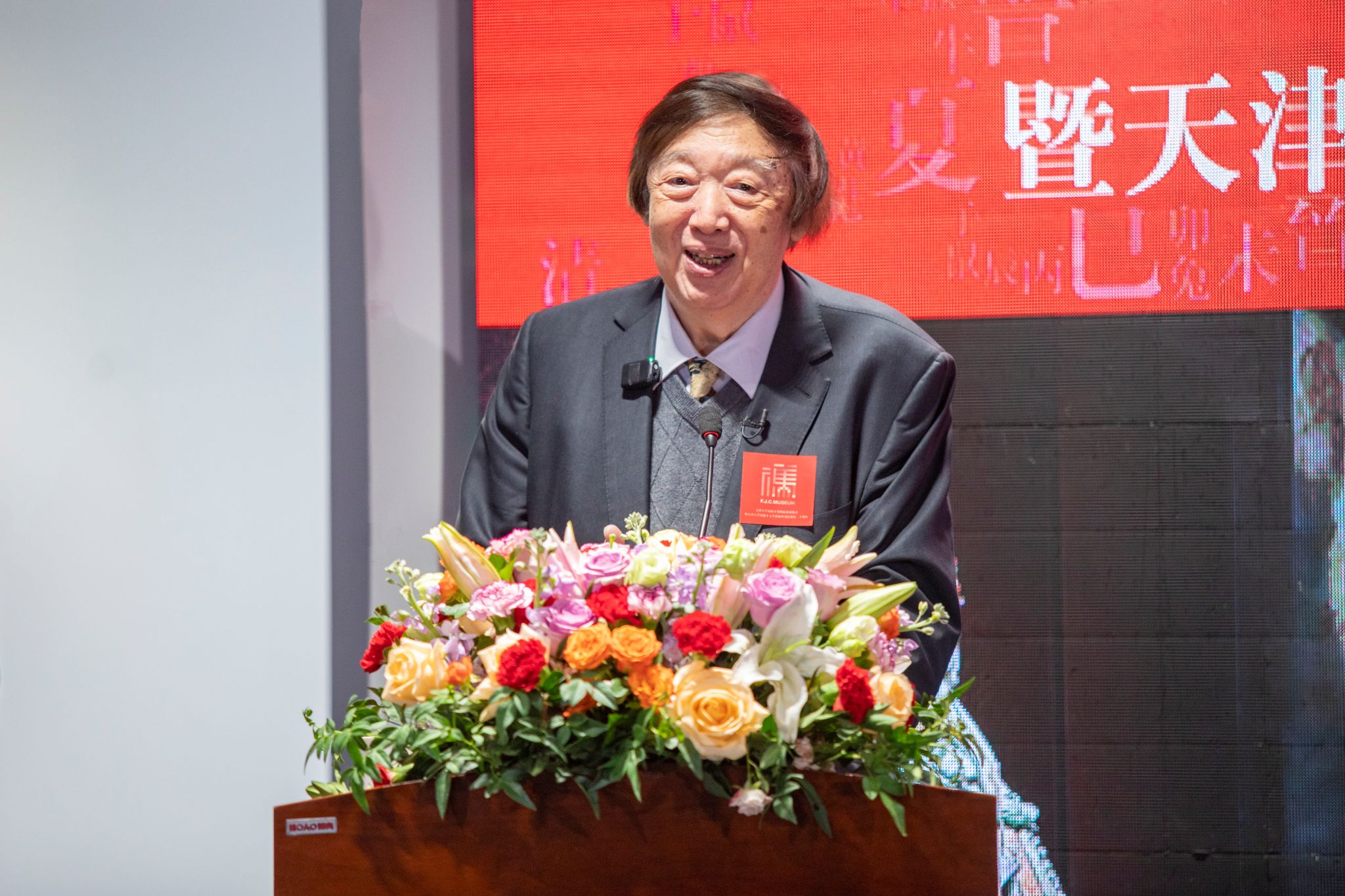
Tianjin, China — Tianjin University (TJU) has opened the Feng Jicai Museum on its Weijin Road Campus, establishing a new university-based institution dedicated to Chinese folk culture, fine arts, and international cultural exchange. The museum was inaugurated on November 22, 2025, marking the 20th anniversary of the Feng Jicai Institute of Literature and Art. Feng Jicai, the 83-year-old writer and cultural scholar, attended the ceremony and remarked, “People say dreams are more beautiful than reality, but I believe this museum is a reality that exceeds what we once dreamed of.”
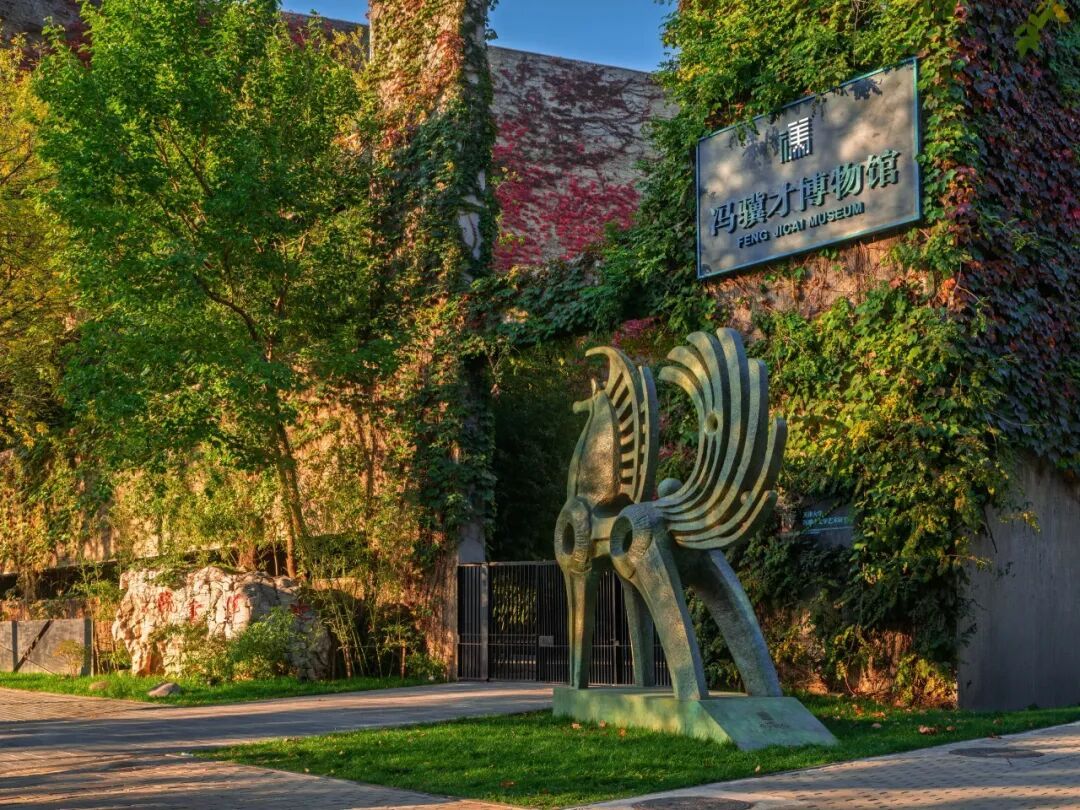
Encompassing approximately 12,000 square meters, the museum comprises North and South exhibition zones converted from lakeside heritage buildings on campus. The North Zone retains the institute’s original building completed in 2005, while the South Zone repurposes a former Civil Engineering Hall. The project emphasizes architectural preservation, integrating museum-grade functions and contemporary exhibition infrastructure while maintaining the historic character of the campus.
The museum features 11 galleries organized into eight thematic sections. Rather than serving as a single-category exhibition space, its curatorial approach connects Feng’s interdisciplinary work with broader narratives of cultural heritage preservation and contemporary humanities education. A central cluster of galleries is dedicated to literature, painting, cultural conservation, and education — fields in which Feng has long served as both a scholar and cultural practitioner at TJU since 2001. The museum also houses an extensive collection of manuscripts, letters, drafts, and musical scores from nearly 40 influential writers, artists, and scientists worldwide, reflecting TJU’s sustained engagement in international humanities exchange. Additional galleries highlight traditional Chinese visual and material culture — including ceramics, historical sculptures, New Year paintings, textile traditions, woodblock printing, and movable type — presenting folk art as both a research resource and an aesthetic system rooted in everyday life and regional traditions.
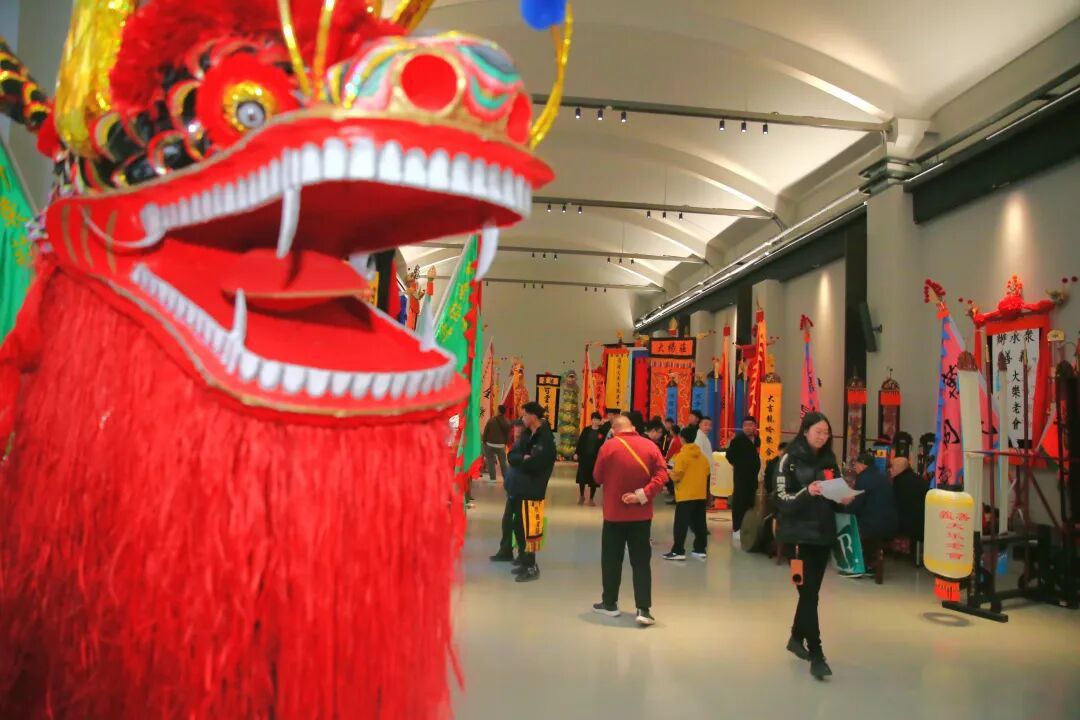
The museum is currently open by reservation, with priority access provided to university faculty, students, and researchers. Broader public and academic outreach will be introduced as programming continues to expand. University representatives emphasized that the museum is designed not only as an exhibition venue but also as a platform integrating heritage research, humanities scholarship, aesthetic education, and community participation. Its establishment brings together decades of Feng’s fieldwork, documentary efforts, and cultural preservation initiatives — previously dispersed across smaller institute-affiliated galleries — into a comprehensive museum system, marking a pioneering model among Chinese universities.
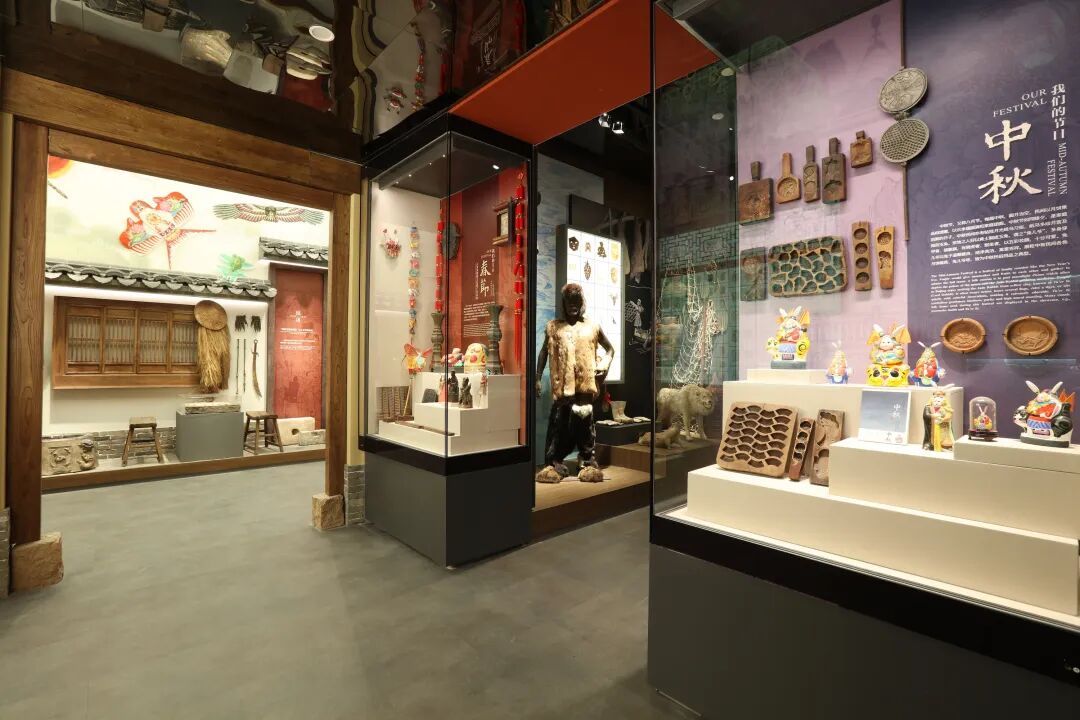
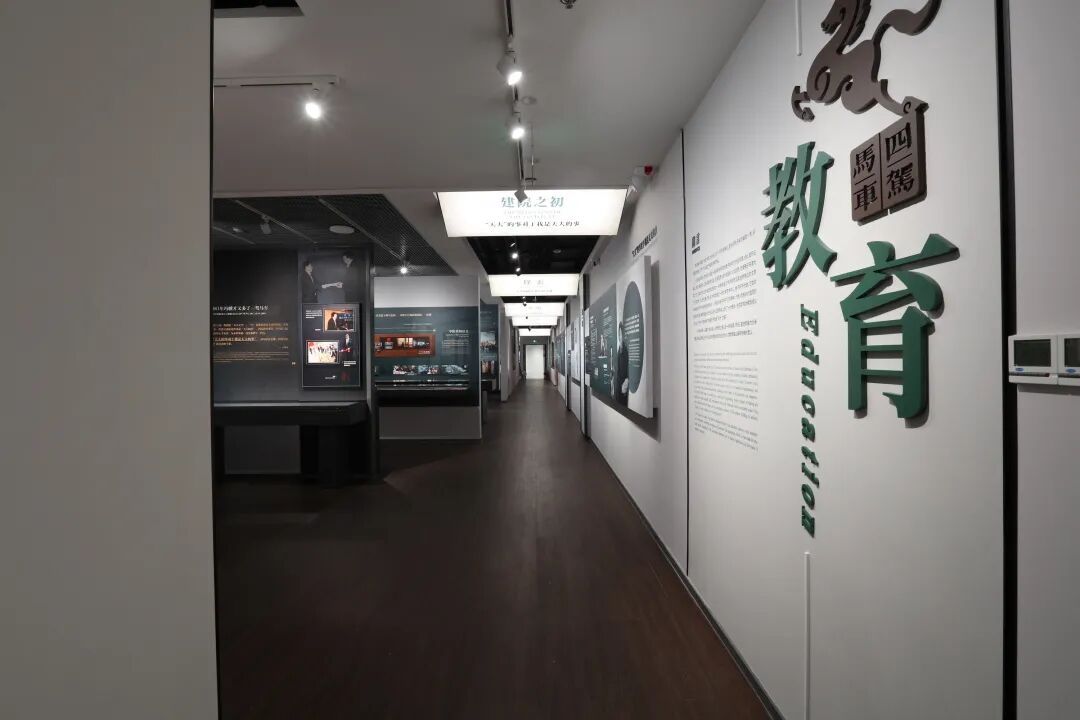
Tianjin University envisions the Feng Jicai Museum as a distinctive hub for cultural education and interdisciplinary collaboration, strengthening the university’s role in safeguarding cultural heritage, advancing humanities research, and contributing to global cultural dialogue.
By: Zhang Mengru
Editor: Qin Mian
Weijin Road Campus: No. 92 Weijin Road, Nankai District, Tianjin
300072
Peiyangyuan Campus: No.135 Yaguan Road, Haihe Education Park, Tianjin
300350