

TJU Master’s Student Presents at FAO World Food Forum
Liu Yuanrui, a master’s student from Tianjin University’s College of Management and Economics stepped onto a global stage at the Food and Agriculture Organization of the United Nations (FAO) headquarters in Rome on Oct.15, presenting youth-driven solutions that connect agricultural heritage with rural revitalization. Selected after a nationwide competition, Liu Yuanrui represented China’s rising generation at the Fifth World Food Forum (WFF), where food security and Sustainable Development Goal 2—Zero Hunger—were in focus.

Liu participated in a youth side event officially framed as the 2025 World Food Forum Youth Action on Green Agri-Heritage, themed “Youth Innovation Safeguards Green Heritage.” According to an AP-hosted PR Newswire release, the event was co-hosted by the Office of Youth and Women of FAO, FAO Laos, FAO Mongolia, the World Food Forum (China), and the China Internet Information Center (CIIC), with support from Tsinghua University and the UNDP SDG Innovation Lab in Chengdu (SPARK Lab). The session convened youth representatives from more than 10 countries alongside agricultural experts and international organization staff to examine how innovation can help safeguard living agricultural heritage systems under climate and demographic pressure.
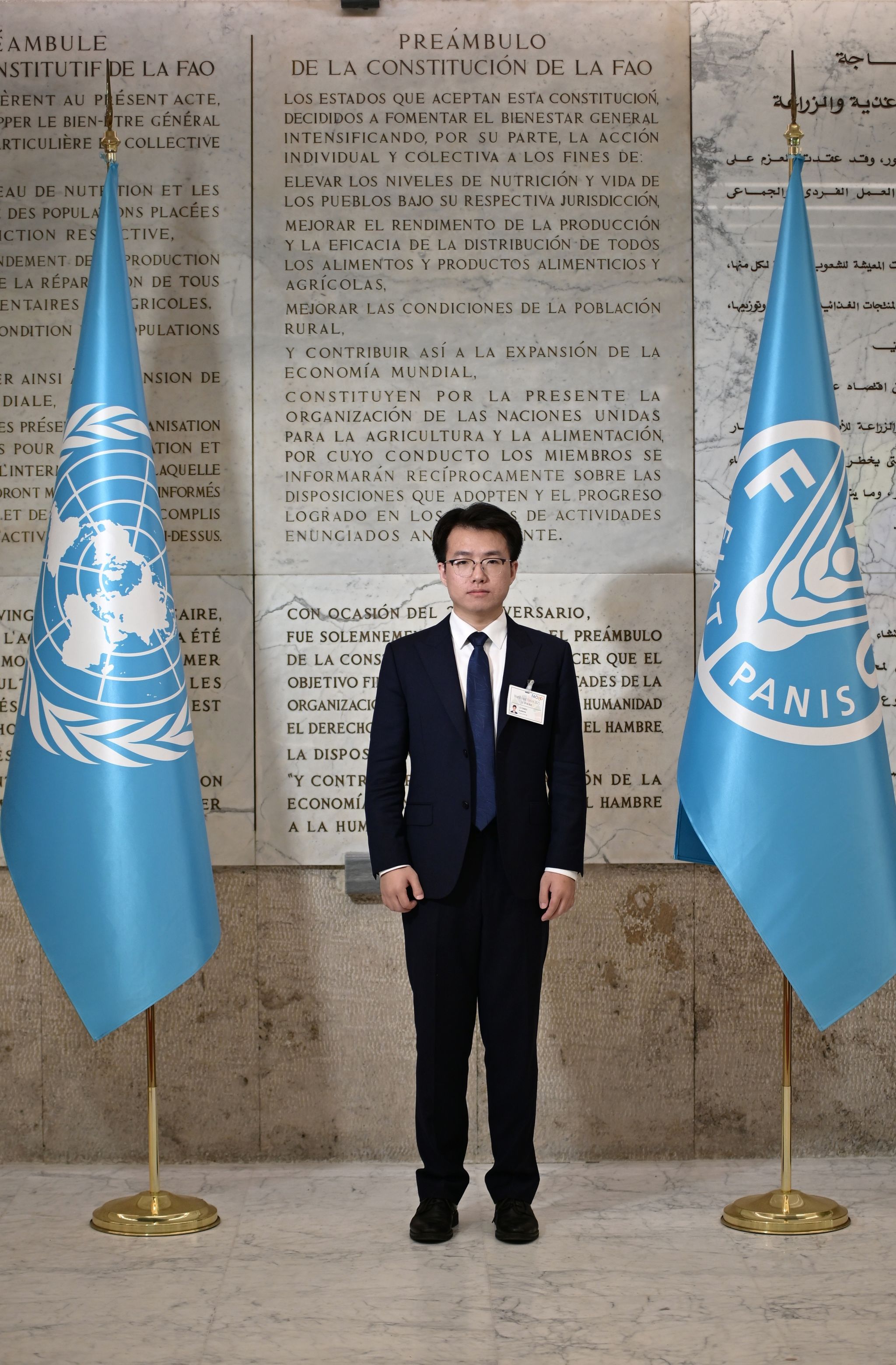
The Rome appearance followed Liu’s success in “Change Maker: Youth Action for Agricultural Heritage,” organized by the China College Students’ Knowledge-and-Action Program with FAO support. From 255 teams across 141 universities, his team placed second nationally, earning an invitation to present during the WFF flagship week. Their approach: anchor projects in local culture, foster collaborative governance with communities and local authorities, and use digital tools—while centering youth as designers, implementers, and evaluators.
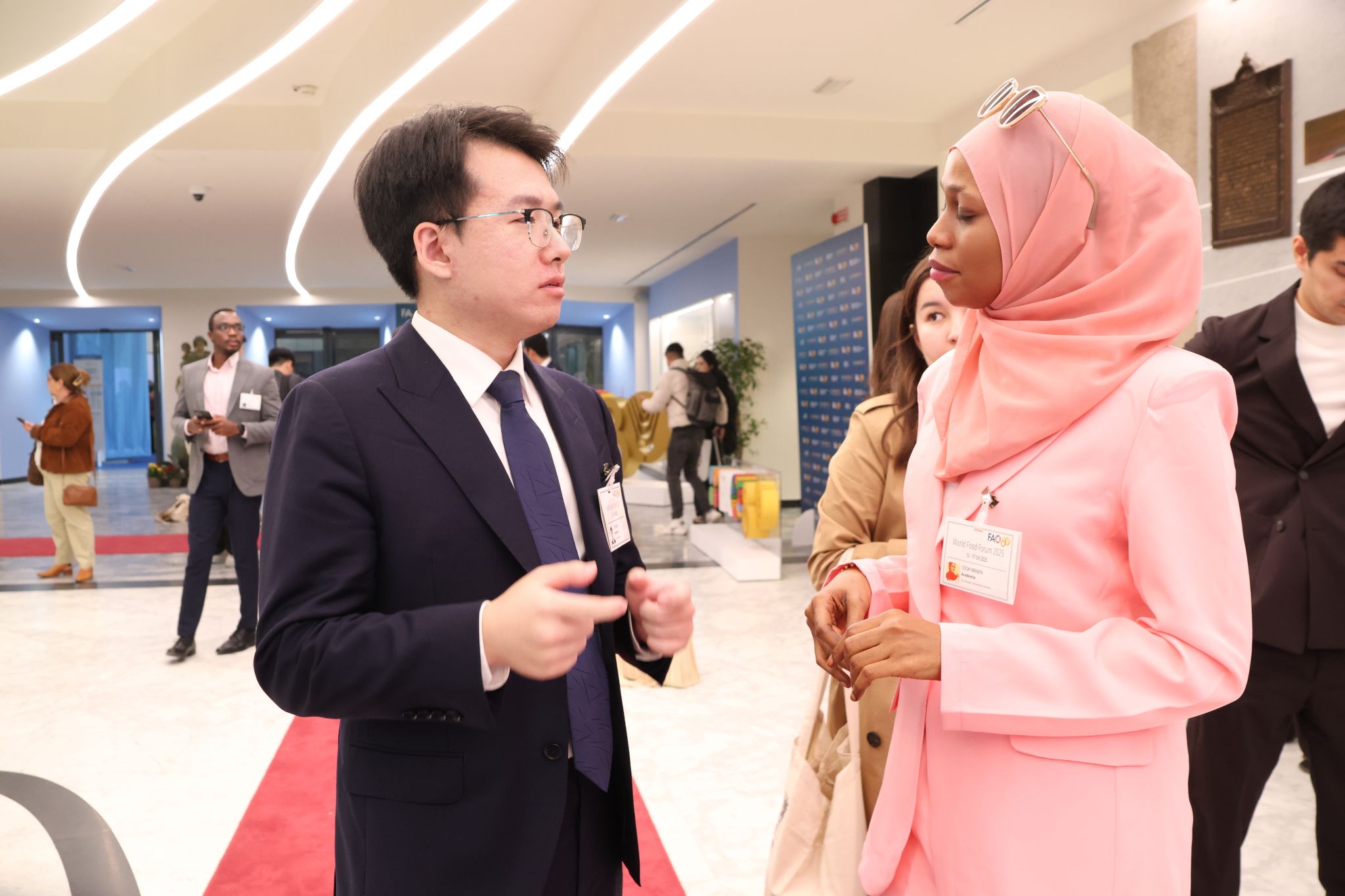
Agricultural heritage systems—such as rice terraces, tea gardens, and nomadic routes—encode ecological knowledge and social practices that support biodiversity and food resilience. Yet mechanization, urbanization, and generational shifts are fragmenting these systems. The youth side event highlighted how young practitioners can adapt traditions through technology, entrepreneurship, and cultural storytelling, protecting heritage as a living asset rather than a static exhibit. In this context, Liu outlined how youth teams can translate heritage values into measurable ecological, economic, and social benefits.
Liu’s authority isn’t only rhetorical. In 2024 he co-founded a field research team focused on Belt and Road construction projects, traveling more than 28,000 kilometers across five countries to study how Chinese firms manage environmental and social risks overseas. The team produced five policy briefs adopted by municipal departments in Tianjin, informing the city’s sectoral plan for its construction industry. At home, Liu has logged more than 800 hours of volunteer work in rural communities, helping design a student-led marketing and tourism competition that generated development proposals for Nanhe Town in Tanchang County, Gansu Province.
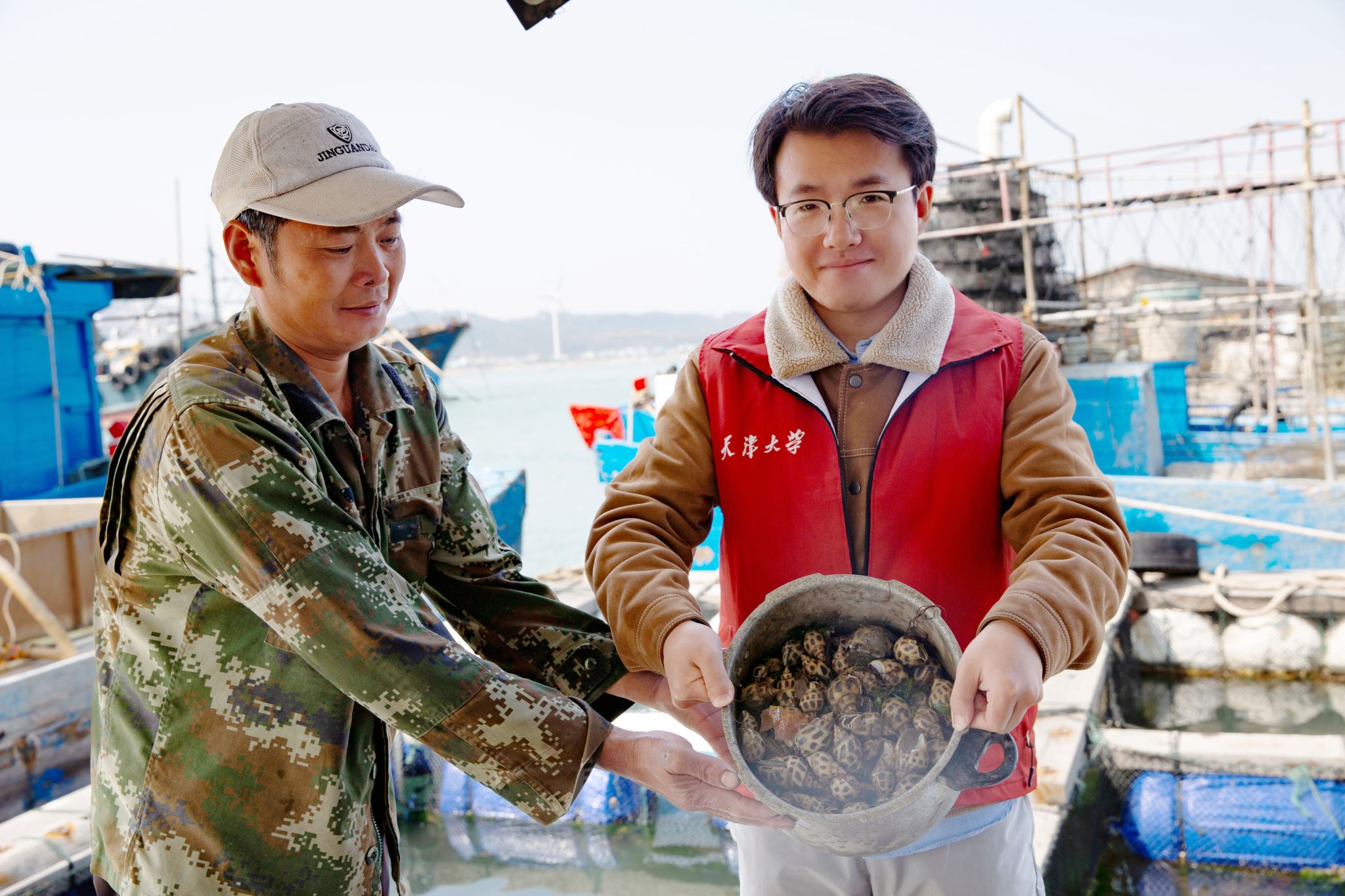
The work is personal. Liu grew up on the outskirts of Tianjin, where cabbage and rice were staples and thrift was ordinary. His first year at university was rocky—his grades ranked near the bottom of his class—until he overhauled his habits and rose into the top quartile. “Going out isn’t to prove something,” he said. “It’s to come back better.” Over two years he visited a dozen countries for research, exchange, and observation. Travel, he says, showed him two things: the appeal of difference, and how limited many people’s knowledge of China can be.
China’s poverty reduction has been widely discussed. Between 2012 and 2020, the country reported lifting nearly 100 million people out of extreme poverty under its national standard, a change noted by the World Bank and the United Nations. Rural revitalization is the state’s follow-on strategy, aimed at improving services, upgrading industries, and protecting culture and ecosystems in the countryside. Agricultural heritage—recognized internationally through FAO-led frameworks and often referenced alongside the Globally Important Agricultural Heritage Systems concept—links traditional practices to biodiversity and local livelihoods.
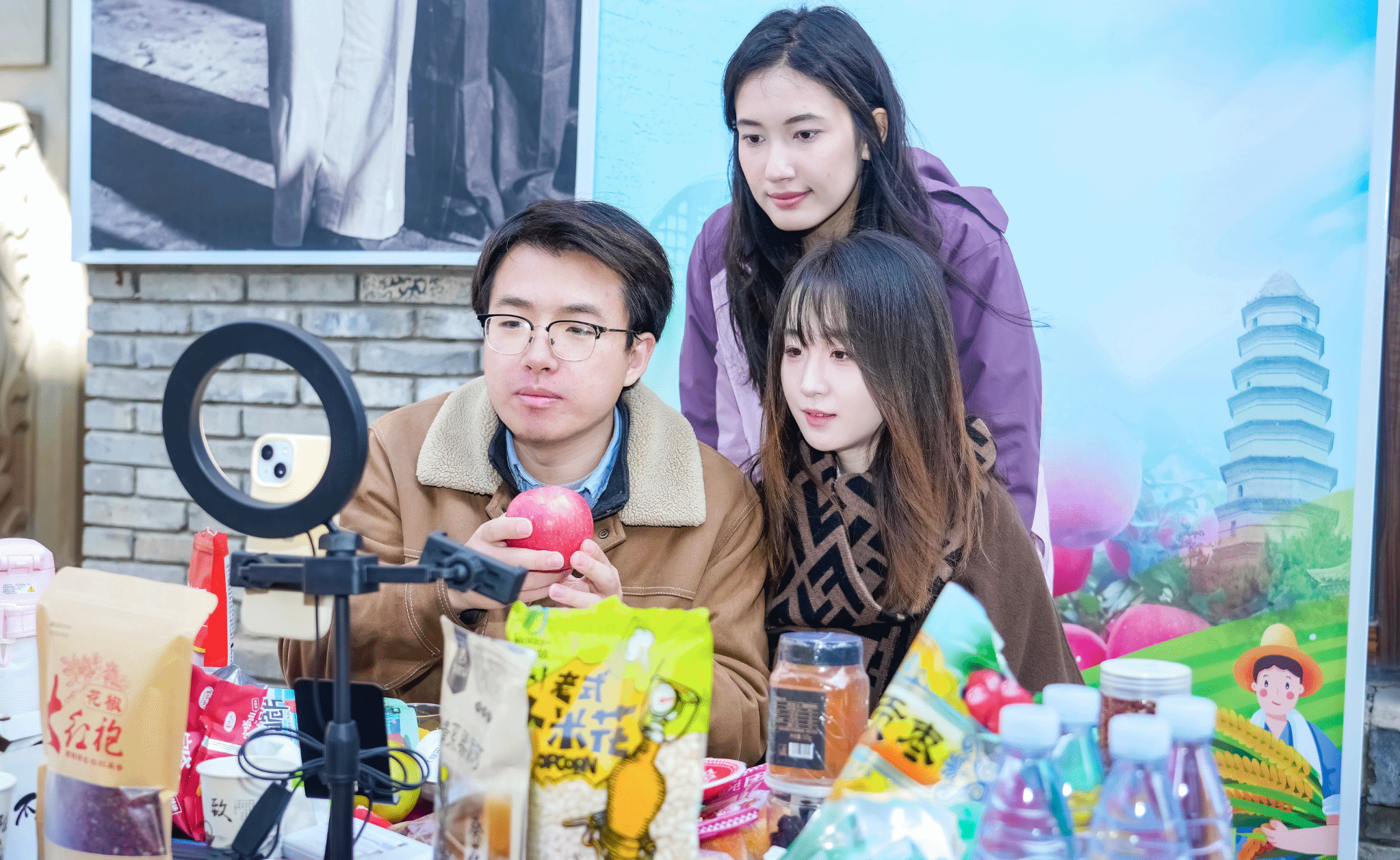
Liu’s contribution sits at that intersection. One of his projects documents heritage landscapes while building digital catalogs that farmers and cooperatives can use to market specialty crops and tourism. Another pairs students with township officials to map irrigation, homestay capacity, and waste management needs before proposing pilots. “It’s not about a showcase village,” he said. “It’s about tools communities can run themselves.”
If his story resonates, it’s because it stays close to the ground even as it reaches a global stage. The boy who once ran in the rice field is now a bridge—modest in span, perhaps, but sturdy—between fields and forums. The next test will not be a speech but a season: whether the ideas he carried to Rome can take root far from home.
By Eva Yin
Weijin Road Campus: No. 92 Weijin Road, Nankai District, Tianjin
300072
Peiyangyuan Campus: No.135 Yaguan Road, Haihe Education Park, Tianjin
300350