

75.9 Tons of Sweetness! Tianjin University's Fruit Festival Marks 25 Years of Care
On November 14, Tianjin University's 2026 Autumn Fruit Festival brought a burst of freshness and warmth to both campuses. Now in its 25th year, the university's signature student-centered initiative provided all enrolled students with four varieties of high-quality fresh fruit free of charge. A total of 75,915 kilograms of fruit was distributed, setting a new record.
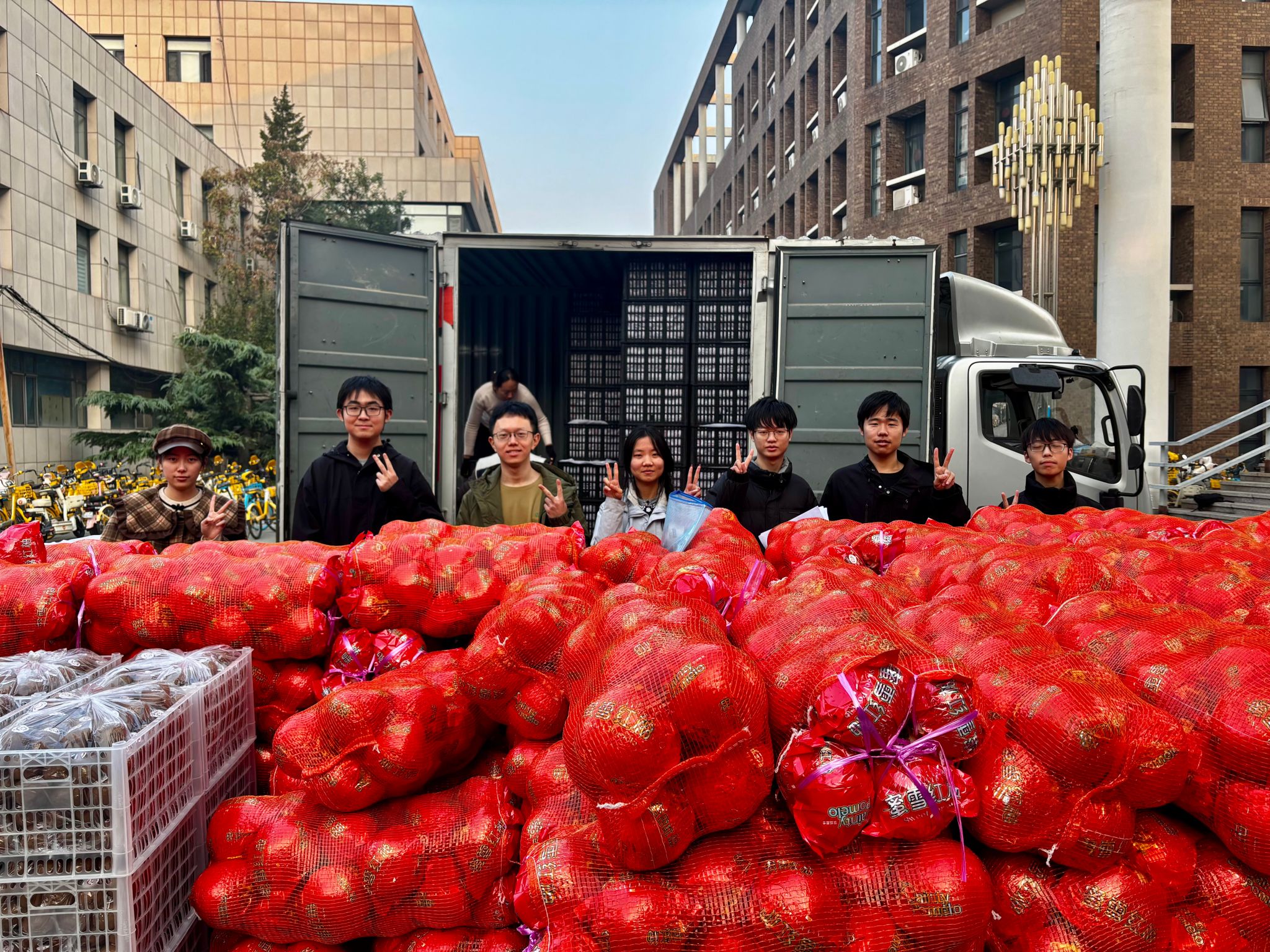
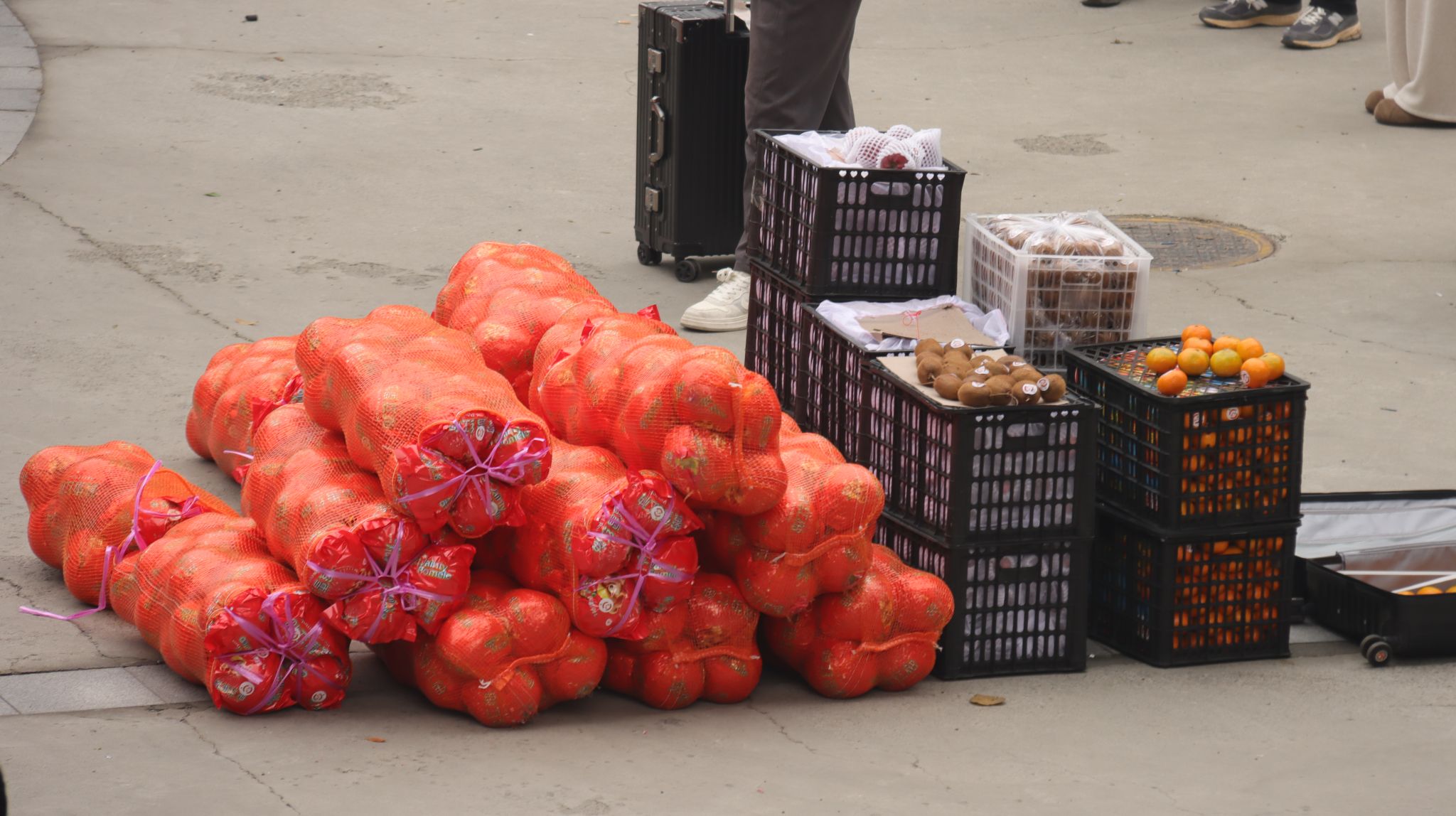
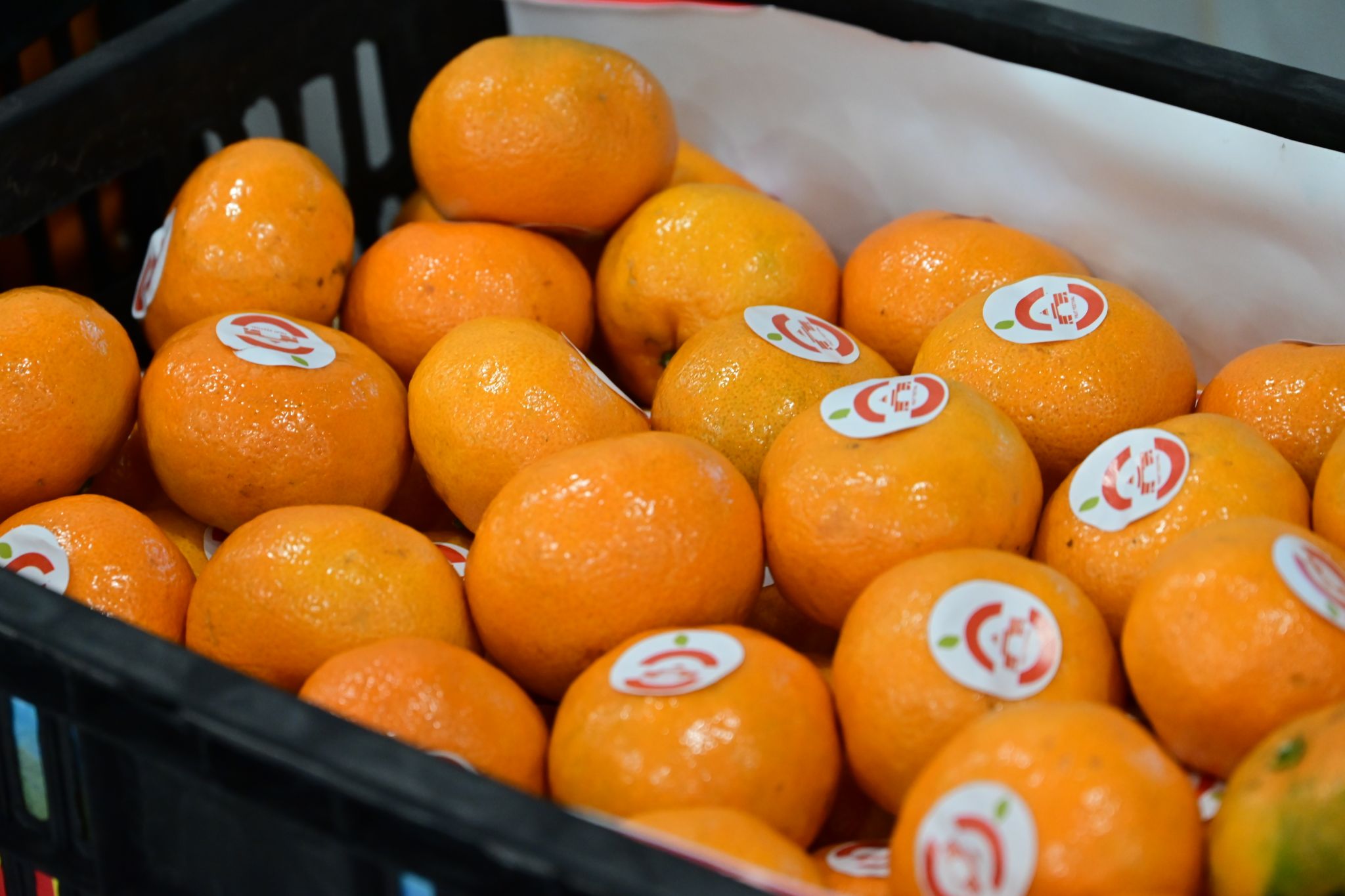
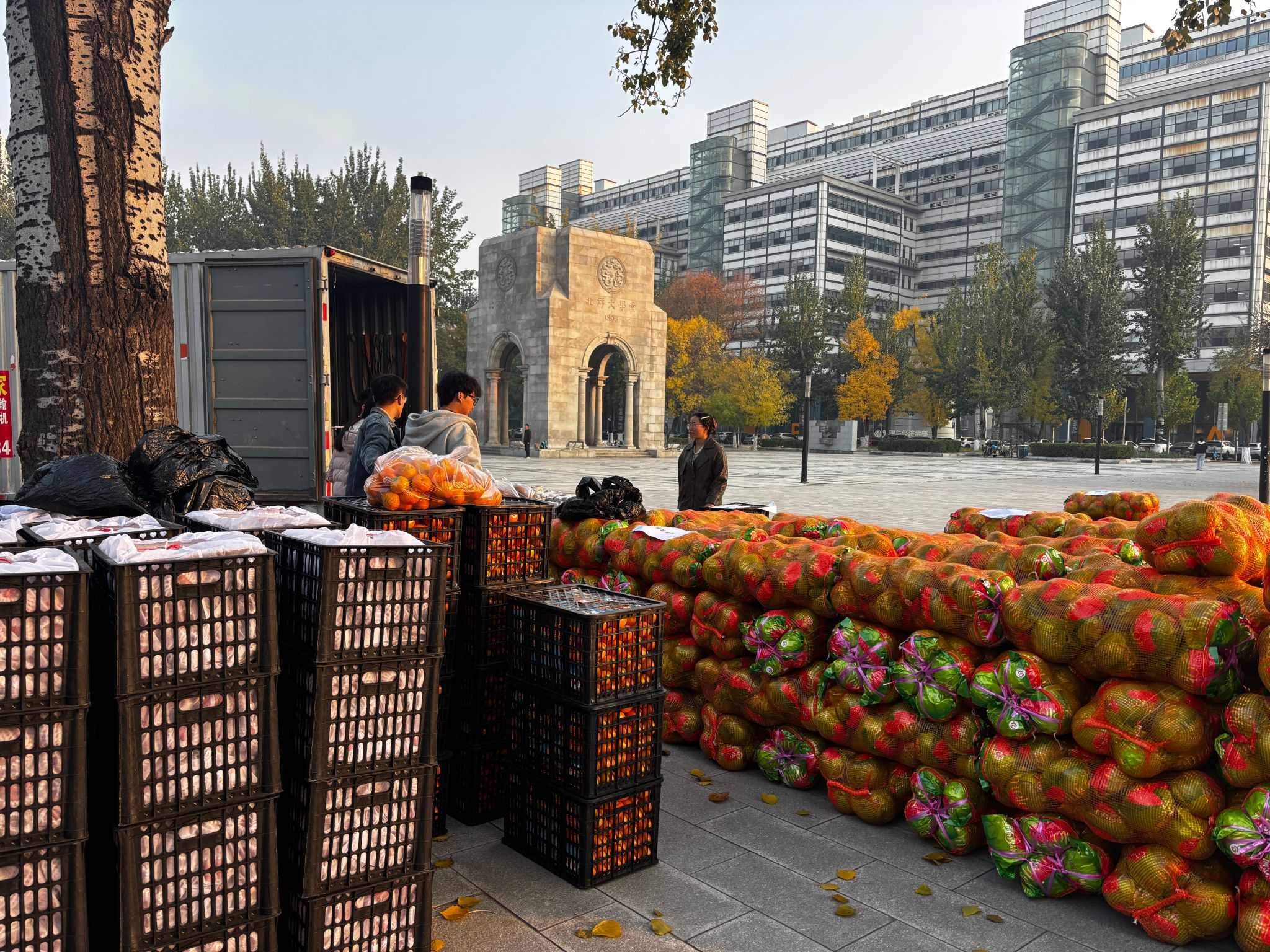
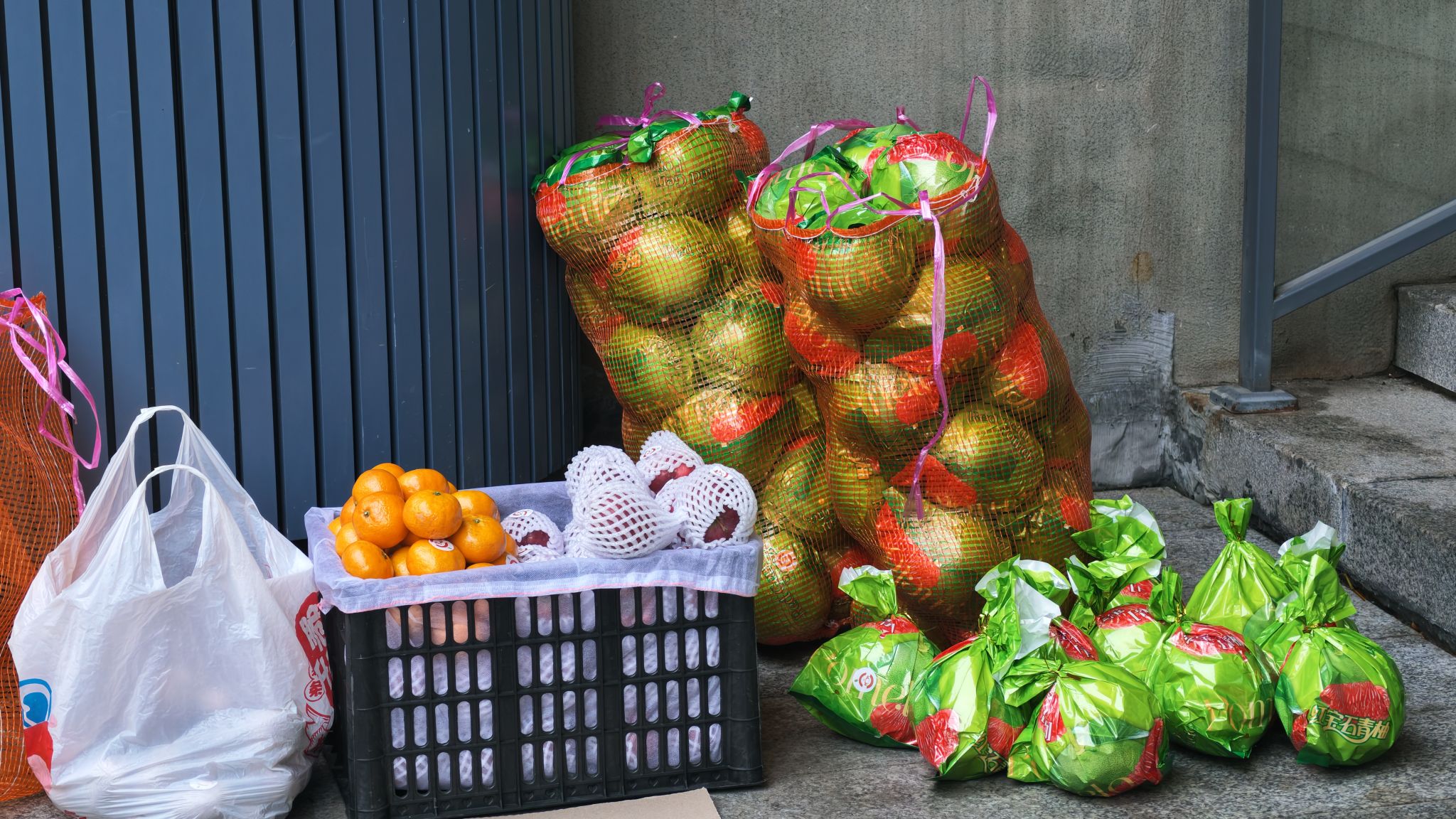
This year's selection featured Huaniu apples from Tanchang, Gansu Province; red-fleshed pomelos from Lingyun, Guangxi Zhuang Autonomous Region; kiwifruit from Shanyang, Shaanxi Province; and mandarins from Leibo County, Liangshan, Sichuan Province.
Sourced from regions across China, from the northwest highlands to the southwestern mountains, each fruit carried the distinctive flavors and local character of its place of origin. Carefully selected and transported across great distances, these seasonal treats brought the taste of different regions to campus, along with the university's thoughtful care for its students.
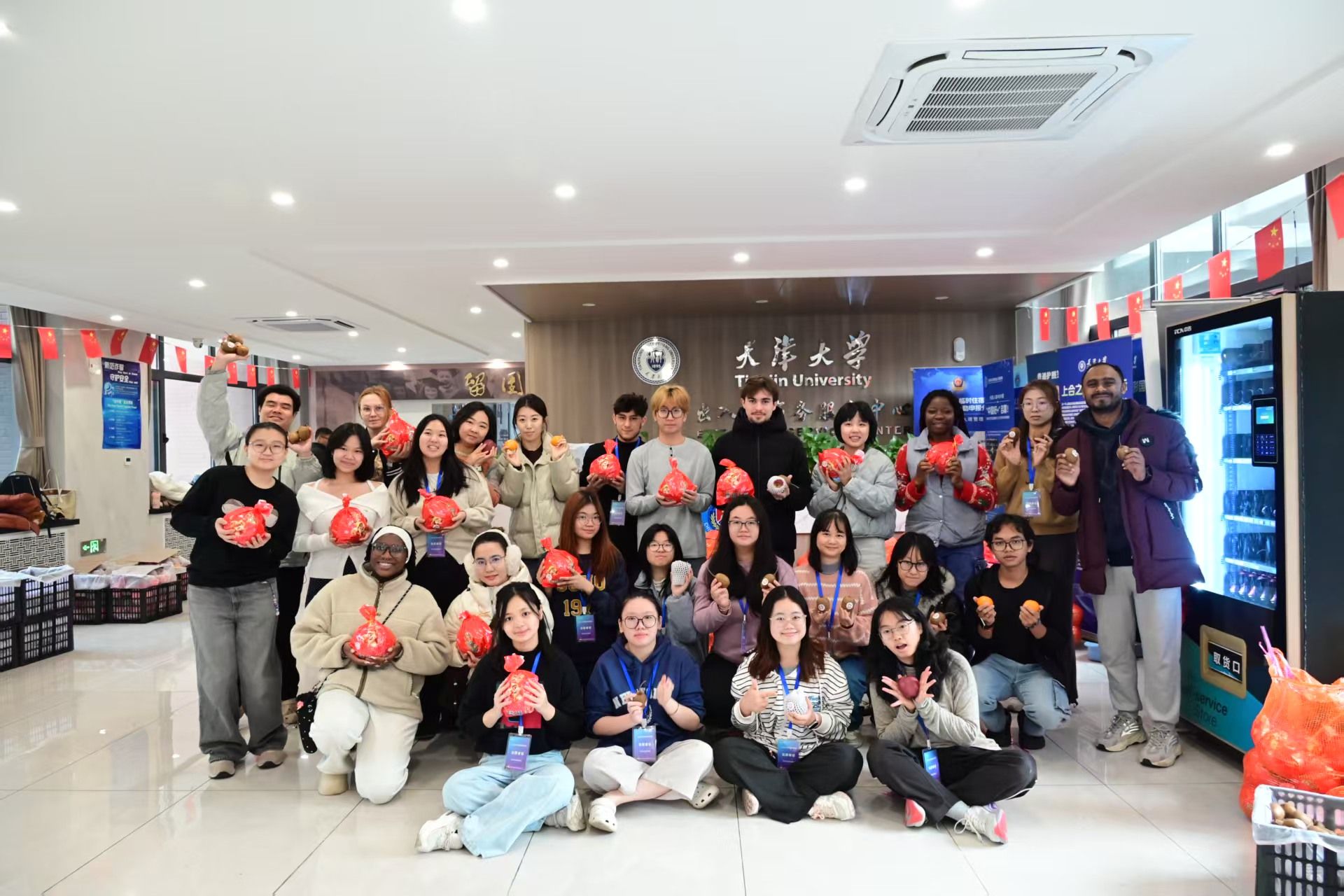
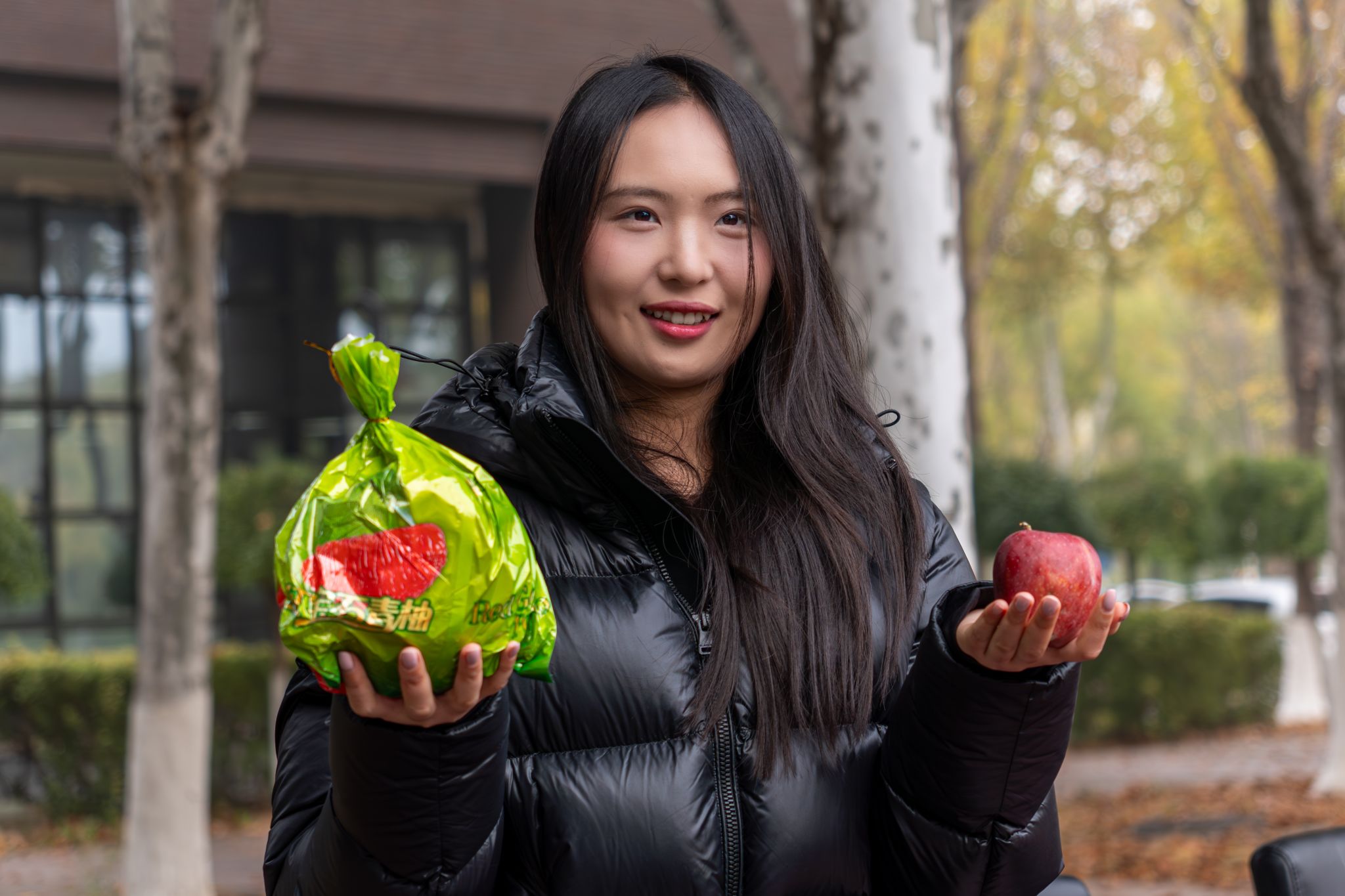
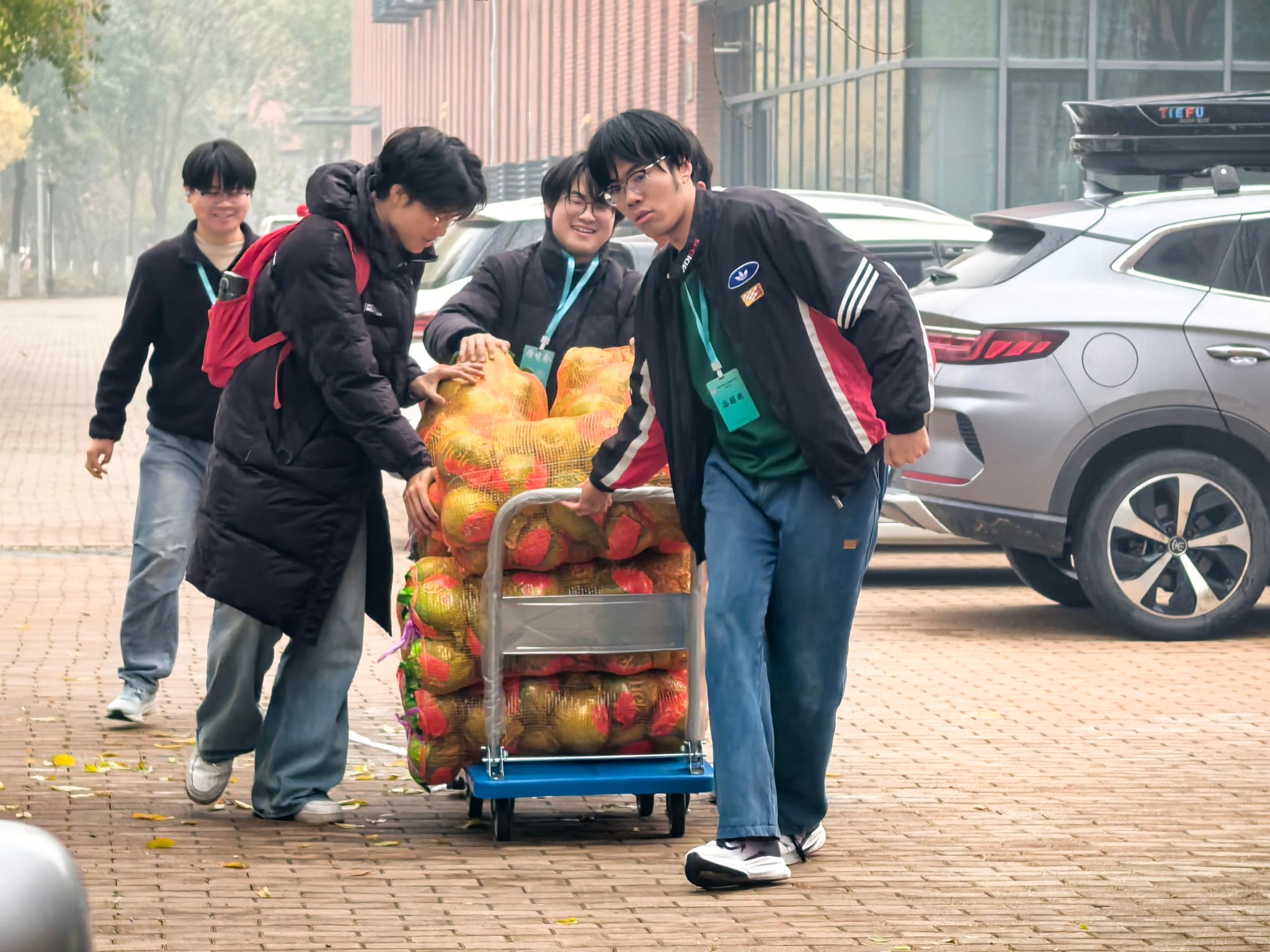
According to statistics, the festival distributed 10,604 kilograms of Huaniu apples, 54,225 kilograms of red-fleshed pomelos, 5,302 kilograms of kiwifruit, and 5,784 kilograms of mandarins. As trucks loaded with fresh produce arrived on campus, student volunteers and staff sprang into action. They unloaded the deliveries, sorted and packed the fruit, checked distribution lists, and coordinated deliveries to ensure that every college received its share and every student could enjoy the fresh produce.
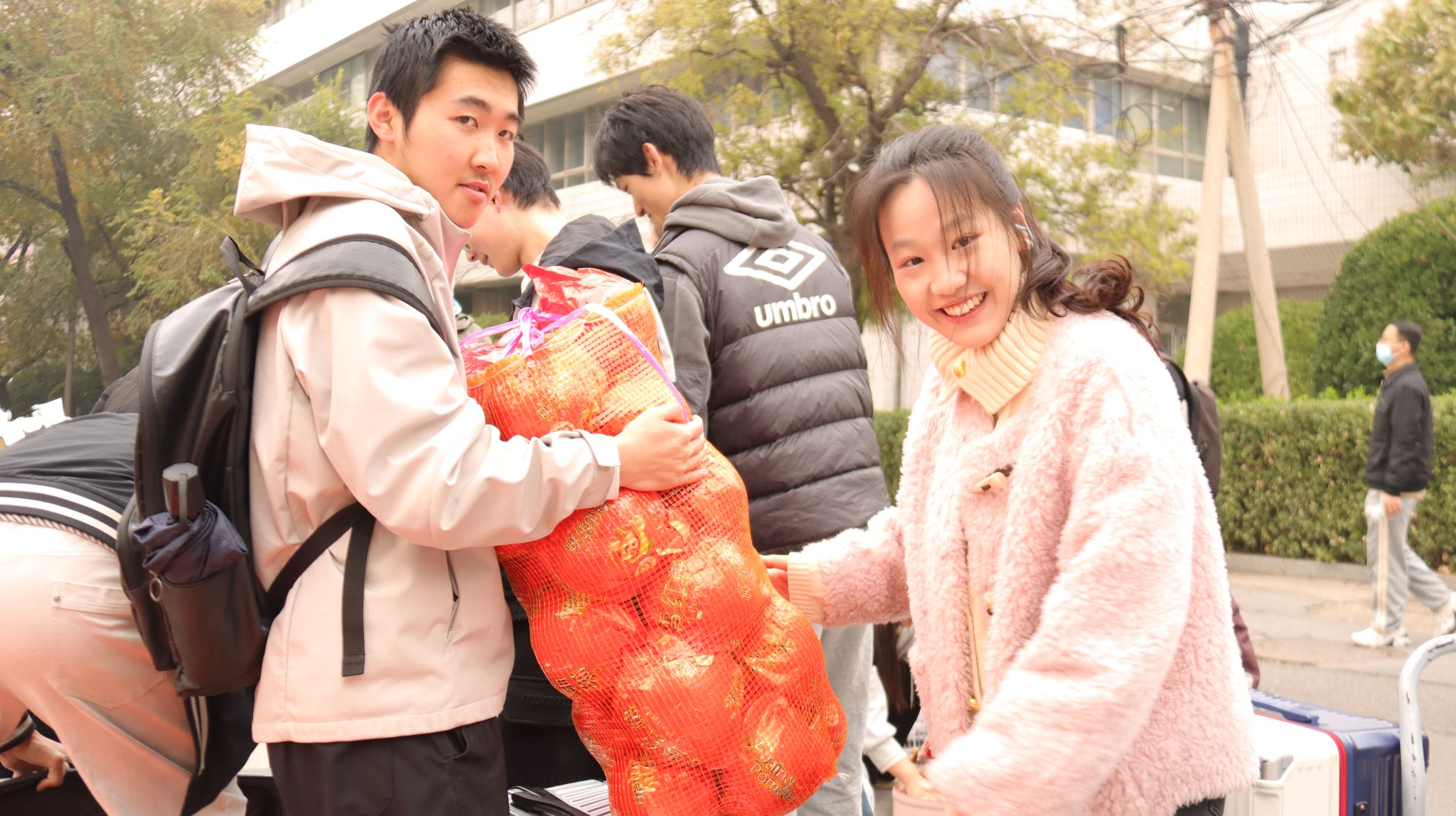
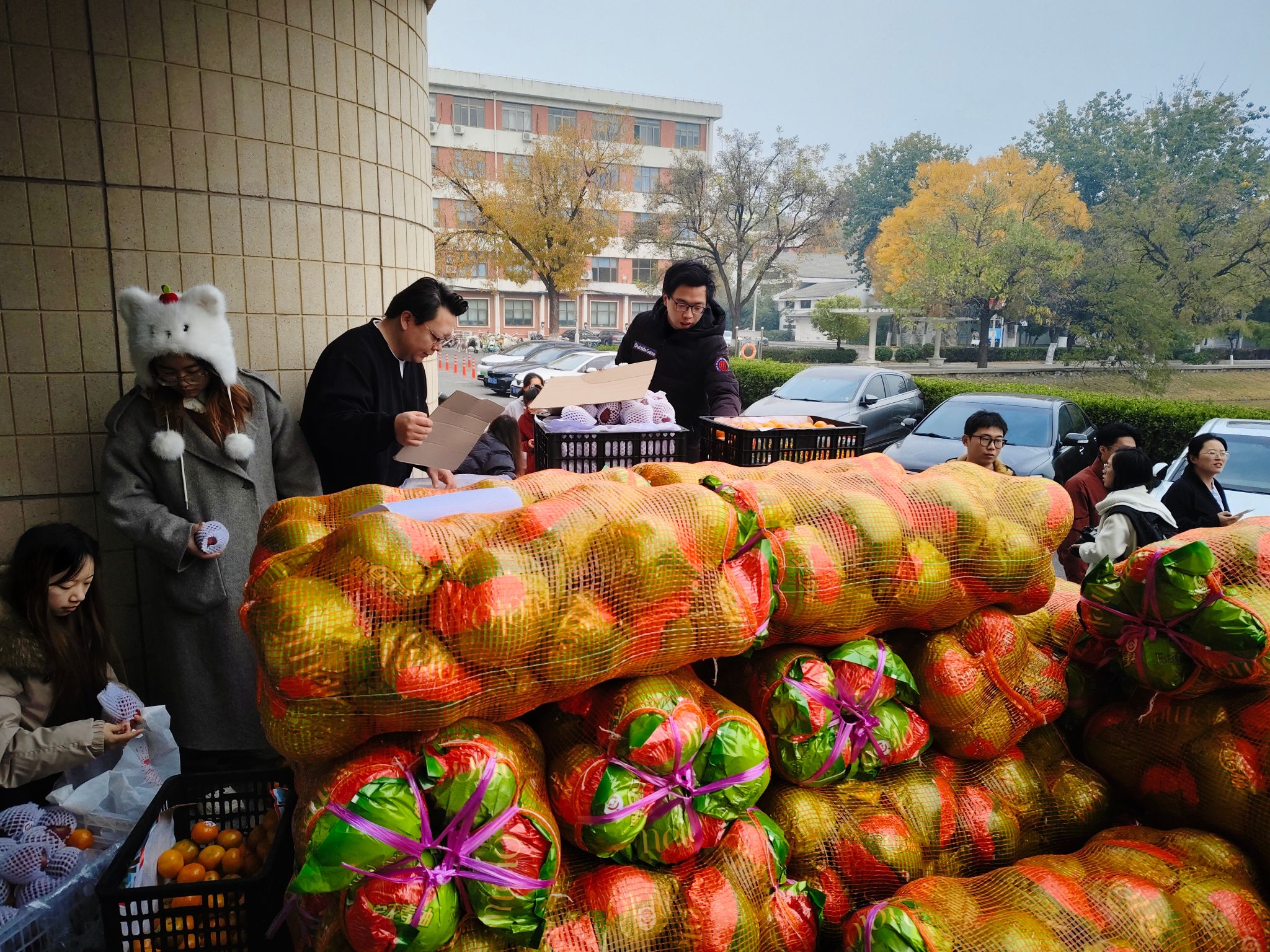
Across the university's schools and departments, a variety of lively and creative activities added to the festive atmosphere. Students turned fruit peels into artwork and fresh fruit into delicious desserts, bringing their creativity and enthusiasm to life. These activities offered a glimpse of the vibrant, energetic campus community and the students' enthusiastic participation in university life.
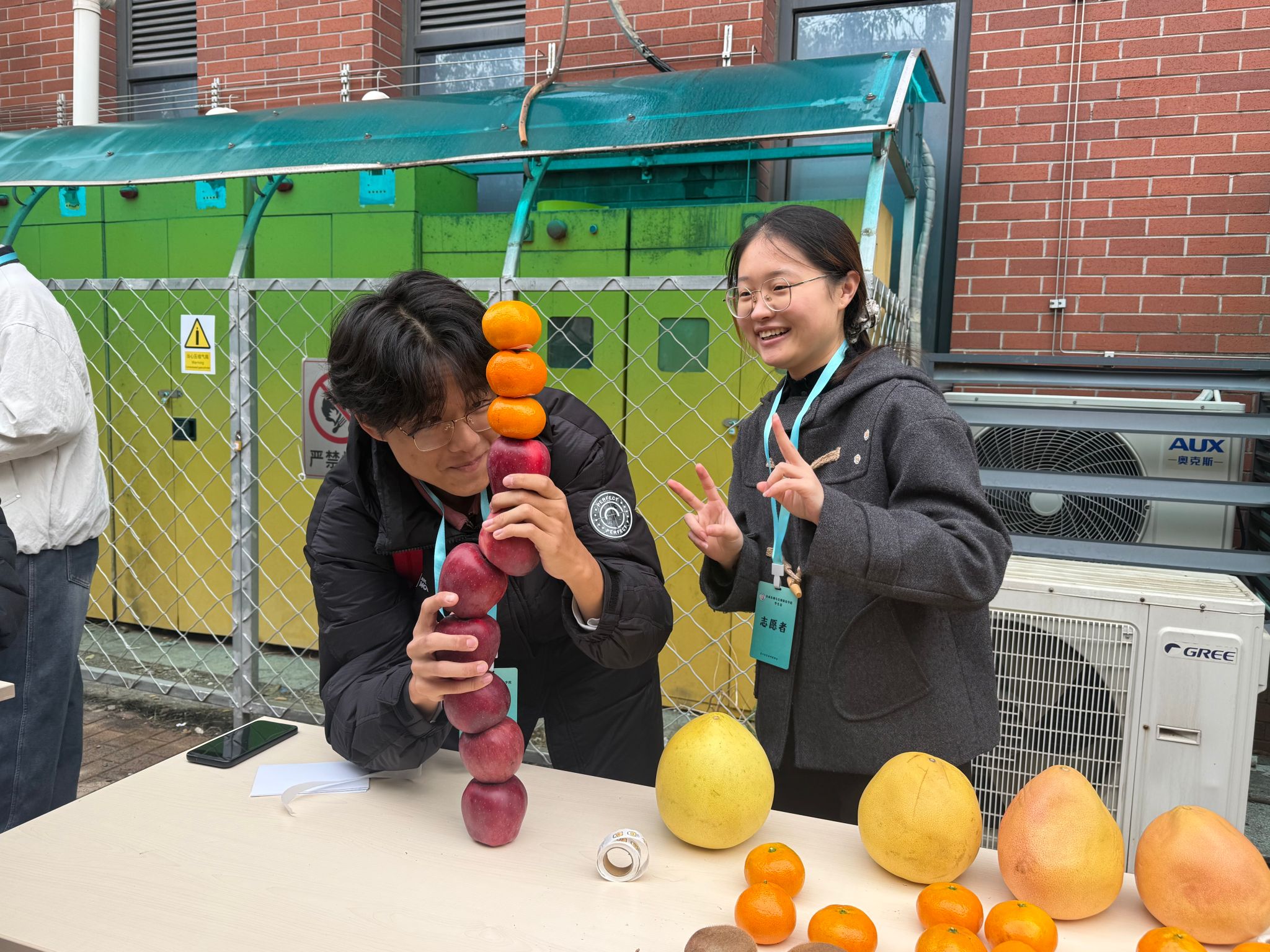
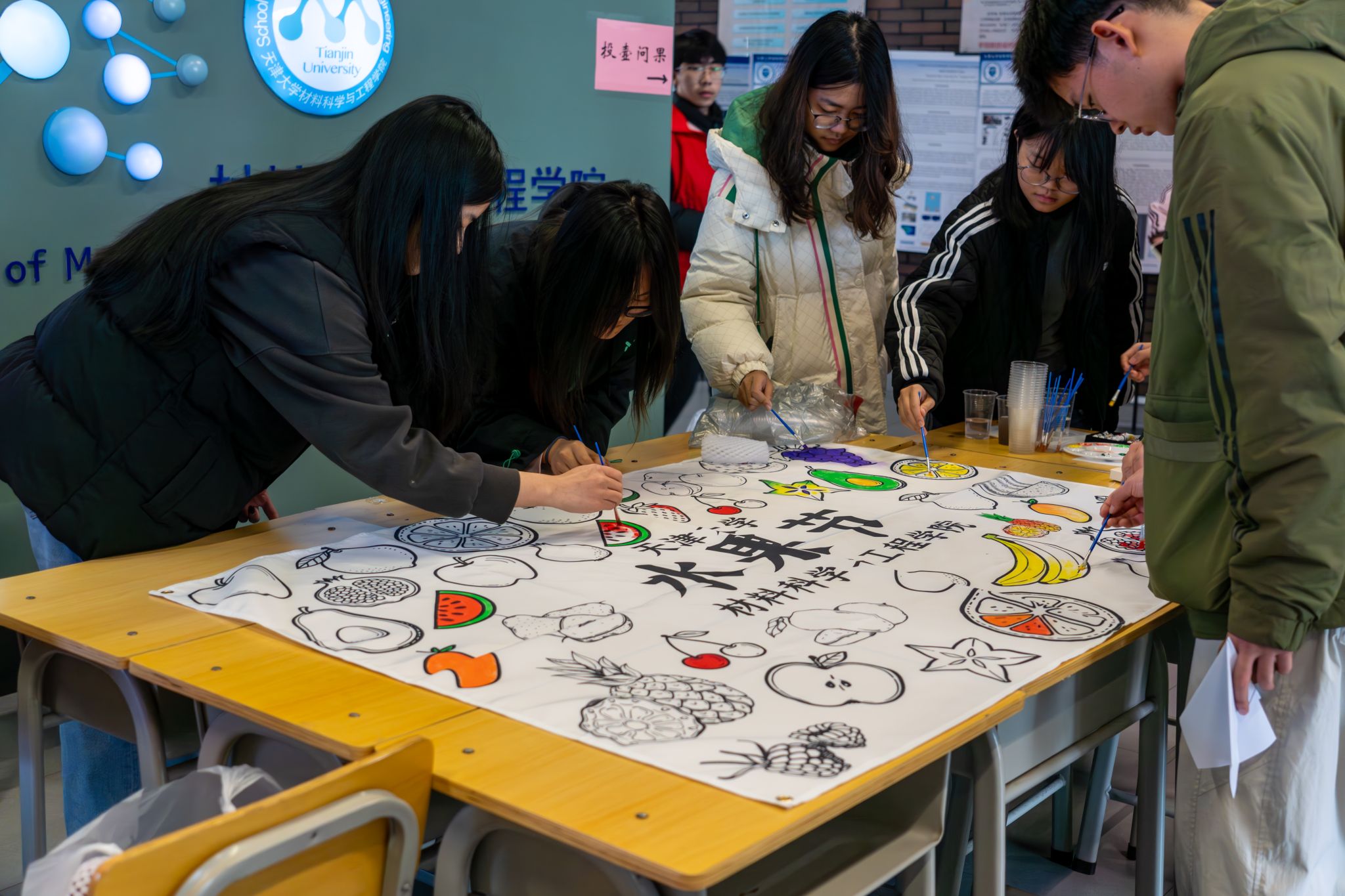
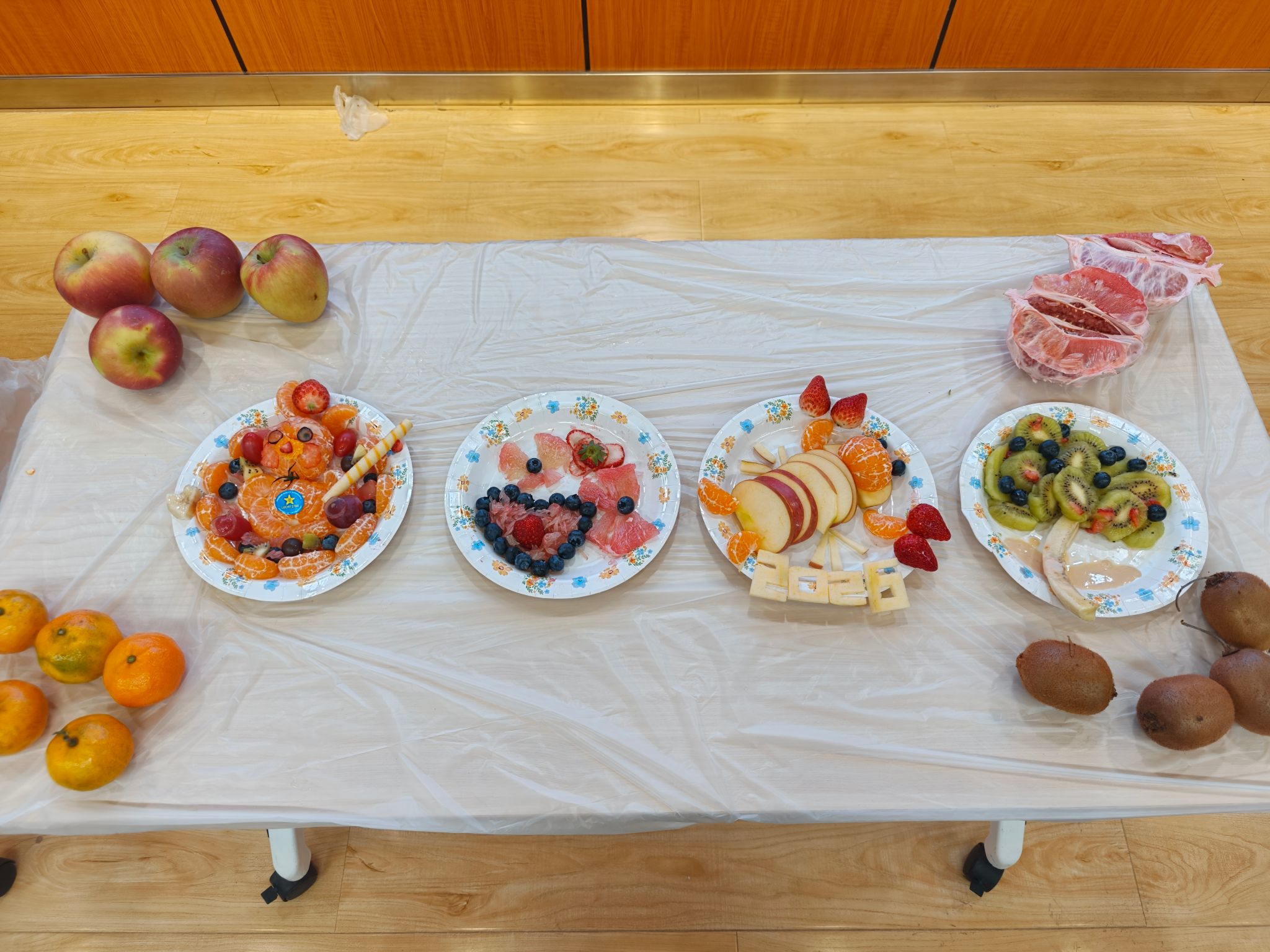
Launched in 2002, Tianjin University's Fruit Initiative has now entered its 25th year. As a student-centered campus welfare program, it has consistently put students' needs at the heart of its operations. Over the years, the initiative has developed a comprehensive model in which students take the lead in planning, organizing, and distributing the fruit. More than just a seasonal campus event, it has become an important platform for students to develop through self-education, self-management, and self-service.
By Yu Boyang
Weijin Road Campus: No. 92 Weijin Road, Nankai District, Tianjin
300072
Peiyangyuan Campus: No.135 Yaguan Road, Haihe Education Park, Tianjin
300350