

Tianjin University Unveils 3-Gram Non-Invasive Brain-Computer Interface
A high-performance, ultra-compact non-invasive brain-computer interface (BCI) system, “Shengong Xumi Brain Cube,” has been unveiled in Tianjin by the Haihe Laboratory of Brain-Computer Interaction and Human-Machine Integration at Tianjin University, in collaboration with Shengong Diting (Tianjin) Technology Co., Ltd.
Weighing just 3 grams and measuring only 2 cubic centimeters, the system is currently the world's smallest and lightest non-invasive brain-computer interface.
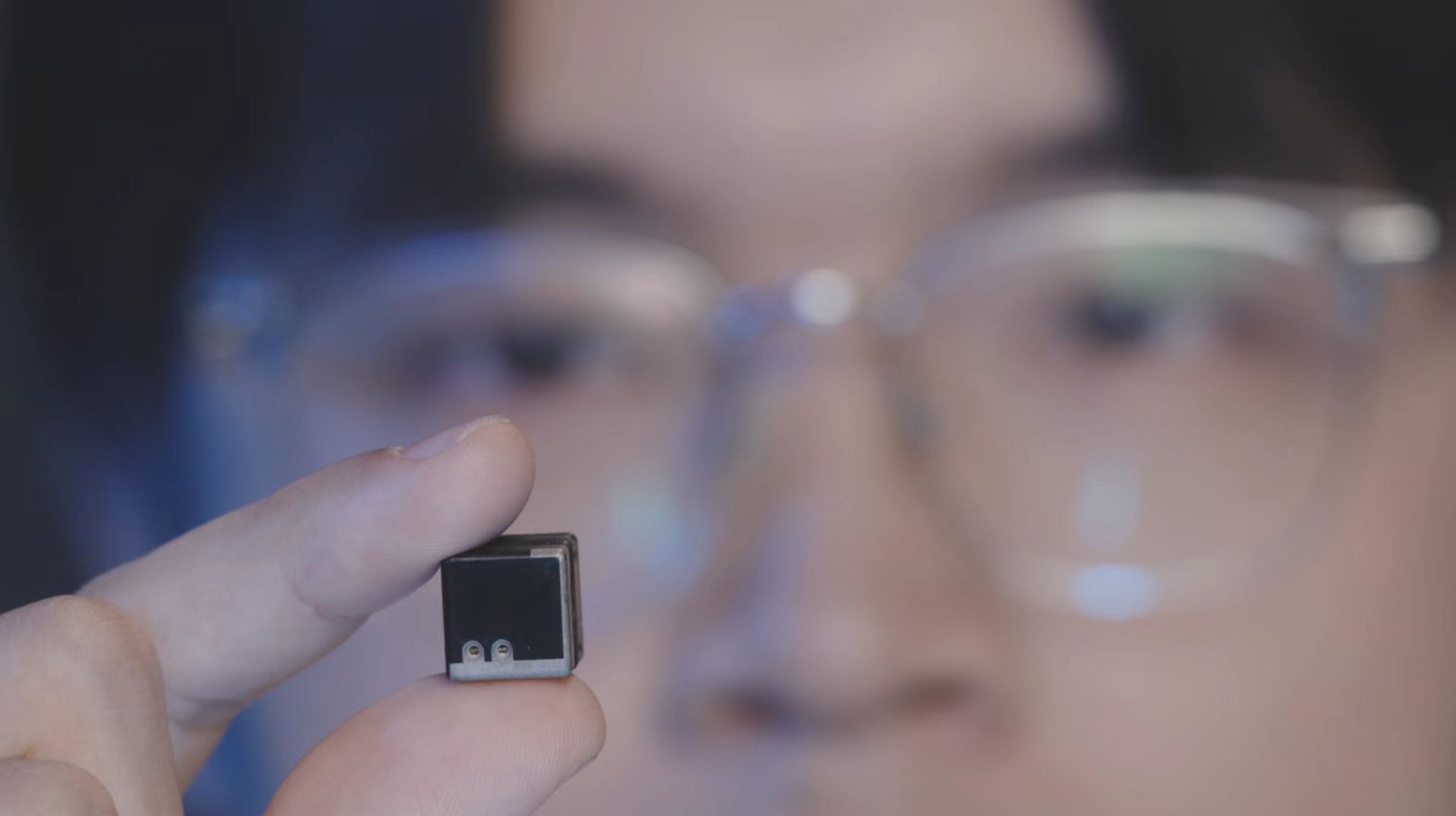
Brain-computer interfaces are entering a new phase of large-scale commercialization. For BCI devices to move into real-world applications, three major challenges must be addressed: device form factor, signal quality, and battery life. Balancing high-precision signal acquisition with comfort and ease of use remains a key challenge in making non-invasive BCIs more widely accessible.
Unlike conventional EEG systems that are worn as caps, helmets or headbands, the new system integrates EEG electrodes, electronic circuits, a battery and wireless transmission components into an ultra-compact unit. It can be securely attached to the scalp and concealed beneath the hair, making it barely noticeable when worn. This design allows the system to adapt to a wide range of applications in healthcare, consumer technology and industry.
Despite its miniature size, the system maintains high performance, enabling stable and accurate acquisition of weak EEG signals. With a sampling rate of up to 1,000 Hz, it can operate continuously for 8–10 hours, supporting extended periods of brain-computer interaction.
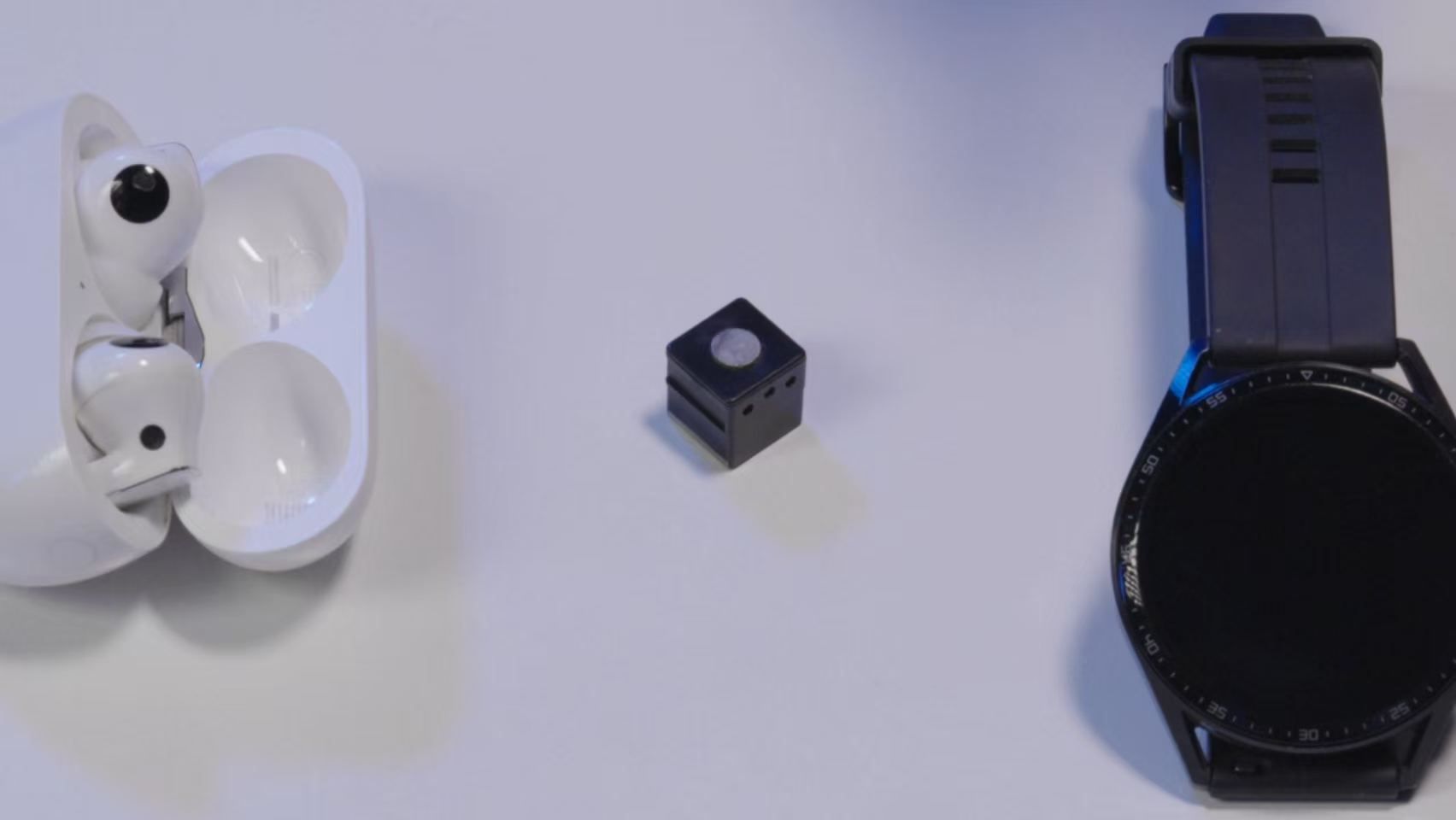
The system has a wide range of potential applications. In healthcare and consumer settings, it can be used for long-term monitoring of physiological and pathological signals from the brain, as well as for BCI-enabled gaming and intelligent control. In research and education, it can support multi-participant hyperscanning and cognitive assessment, as well as applications such as sleep analysis and neurofeedback for health monitoring.
As one of China's early teams to conduct research in the field of brain-computer interfaces, the Haihe Laboratory of Brain-Computer Interaction and Human-Machine Integration at Tianjin University has developed a comprehensive R&D framework spanning core chips, electrodes, algorithms and system integration. To date, the team has developed and put into use more than 20 “Shengong” series BCI medical devices, benefiting thousands of patients.
By Yuboyang
Weijin Road Campus: No. 92 Weijin Road, Nankai District, Tianjin
300072
Peiyangyuan Campus: No.135 Yaguan Road, Haihe Education Park, Tianjin
300350