

Young Nepali Builds Bridges Between China and Nepal
When Nepali student Manoj Kumar Bhatta visited the Historical Museum of Tianjin University, one record caught his attention.
It showed that students from Nepal had come to study at Tianjin University, then known as Peiyang University, as early as 1961.
For Bhatta, who is now pursuing a master's degree in structural engineering at the university, the discovery gave new meaning to his own experience in China.
"It reminded me that Nepal-China relations did not begin only in recent times," he said. "Educational and people-to-people exchanges have connected our two countries for many decades."
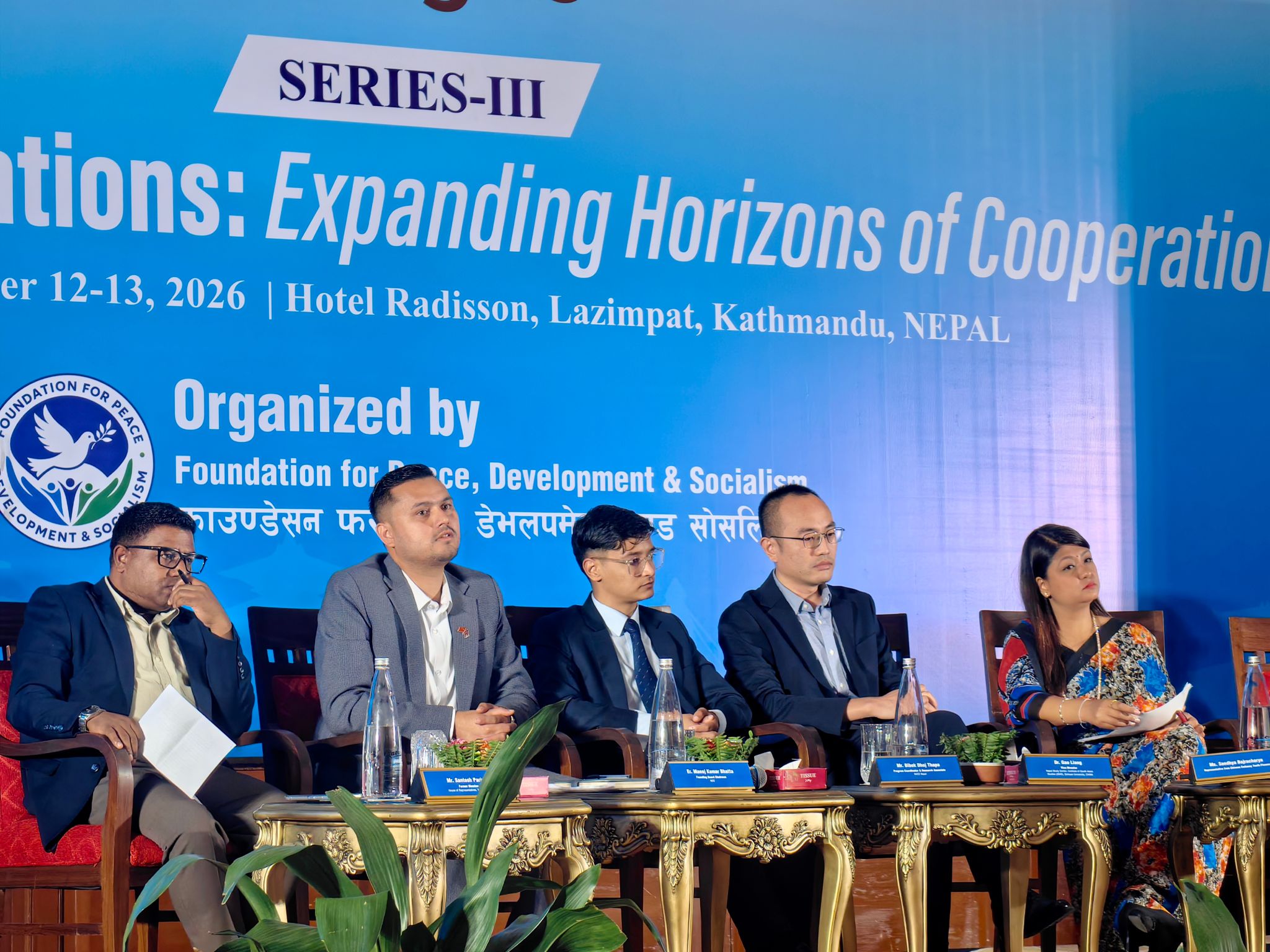
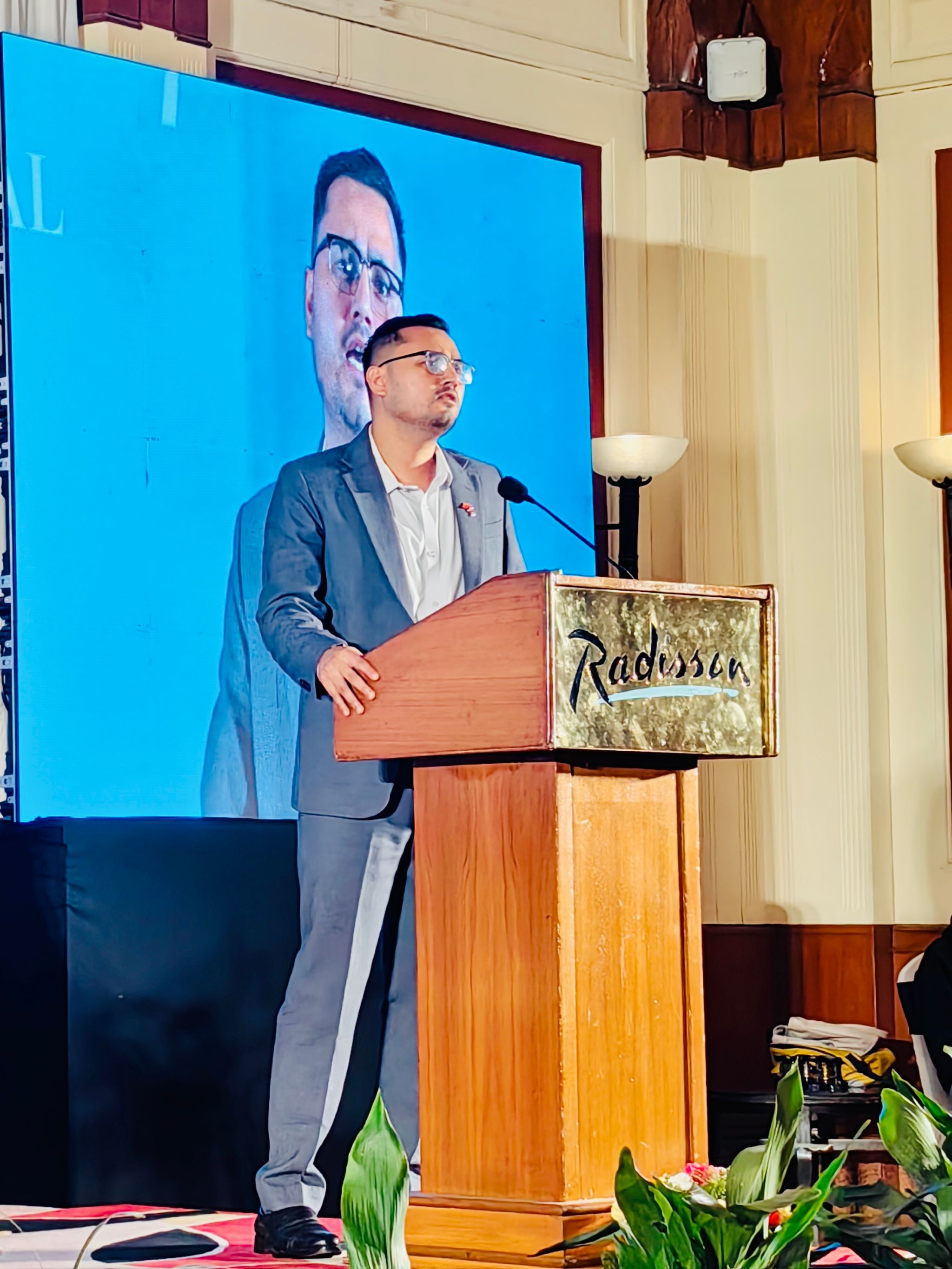
That sense of connection was also at the heart of a speech Bhatta delivered earlier this month in Kathmandu, where he called on young people from Nepal and China to play a greater role in shaping the future of bilateral relations.
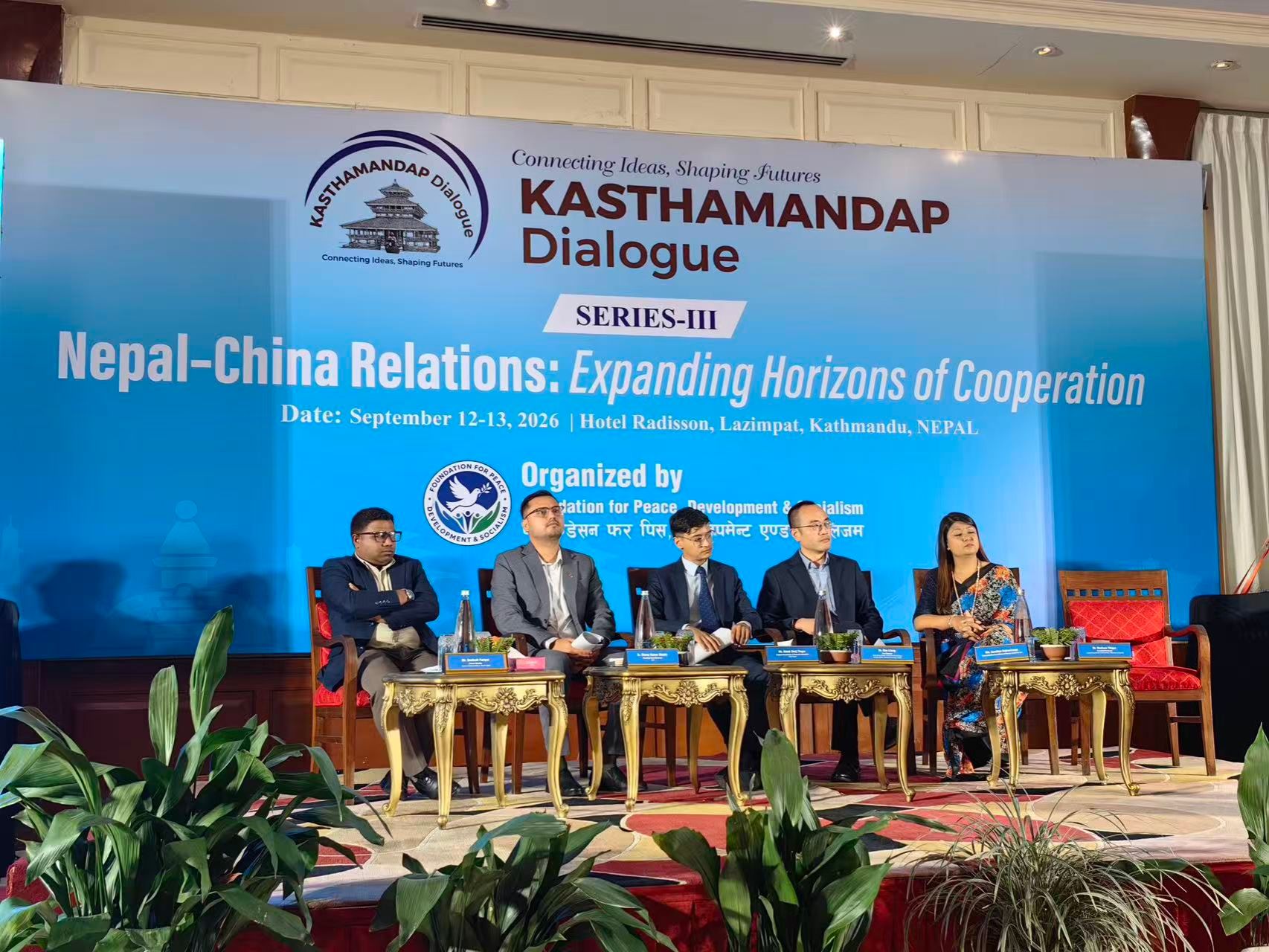
The Kasthamandap Dialogue Series III, themed "Nepal-China Relations: Expanding Horizons of Cooperation," was held on Sept. 12 and 13 in Kathmandu. Organized by the Foundation for Peace, Development and Socialism, the forum brought together political figures, diplomats, academics, researchers and policy experts from Nepal, China and other countries.
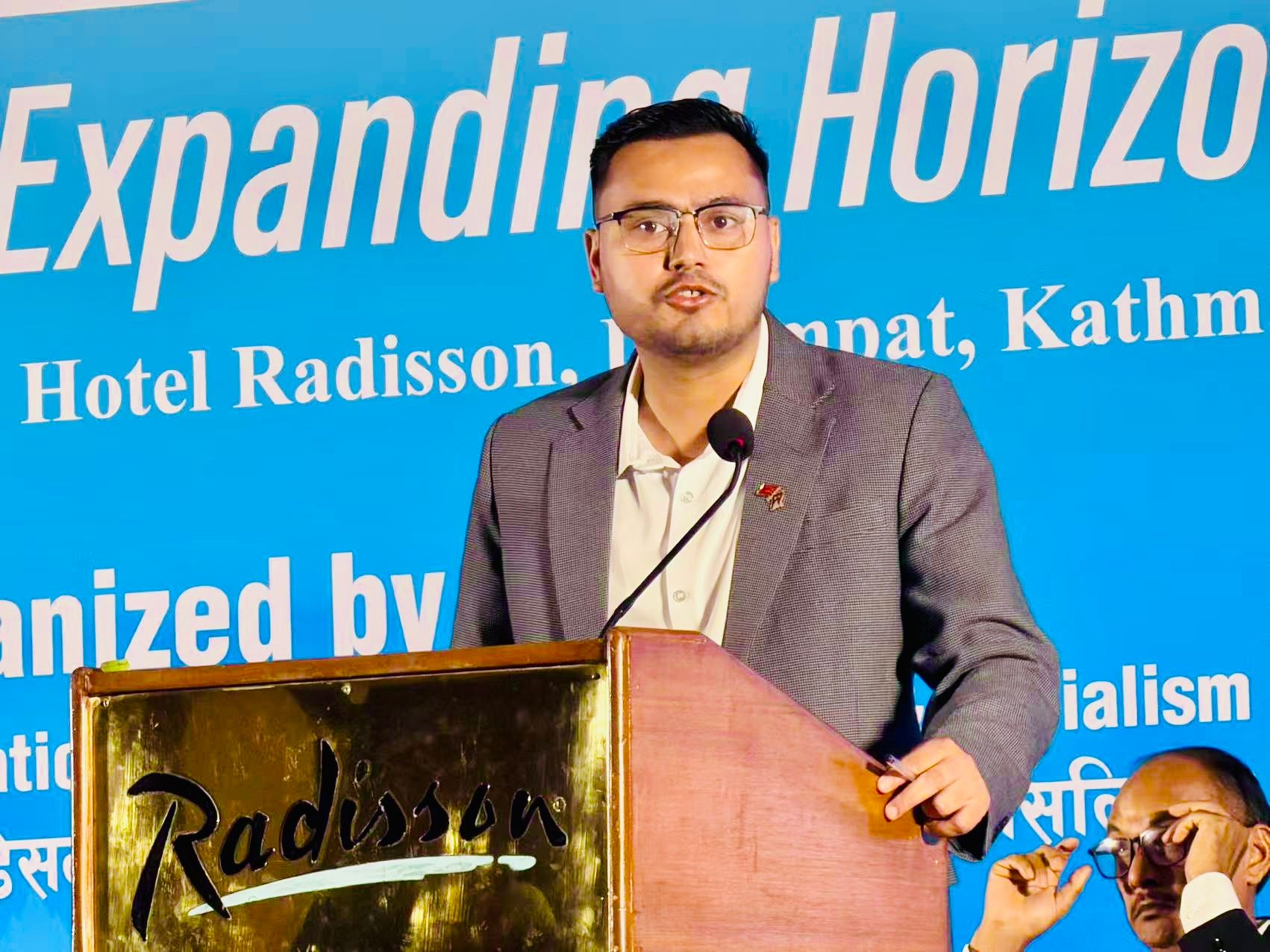
Discussions covered topics including connectivity and trade, governance, climate and disaster resilience, technology cooperation and people-to-people exchanges.
Speaking as a representative of the younger generation, Bhatta said friendship between Nepal and China should not only be regarded as a legacy inherited from previous generations, but also as a responsibility for young people today.
"The past seventy-one years of Nepal-China relations have laid a solid foundation for us," he said in his speech. "The next seventy-one years will depend much more on exchange, cooperation and understanding among the youth."
Bhatta first came to China in 2016 to study civil engineering at Zhejiang University. He later returned to China and is now studying structural engineering at Tianjin University under the Youth of Excellence Scholarship of China.
Before beginning his master's studies, he also worked for about four years as an engineer on a national highway project in Nepal.
His years in China, he said, have gradually changed the way he understands both the country and Nepal-China relations.
When he first arrived, China's infrastructure, transportation systems and pace of development left a strong impression on him. But as his time in China continued, his understanding expanded beyond roads, cities and technology.
At Tianjin University, exchanges with Chinese and international students through Chinese Corner, cultural activities and other campus programs gave him opportunities to learn about different cultures and build friendships.
He began to see education as another important link between the two countries.
"A Nepali student studying abroad is not only there to pursue education," Bhatta said. "We also carry the identity of our country, and we can become a small bridge between the people of Nepal and China."
That idea became one of the central messages of his speech in Kathmandu.
Bhatta said Nepali students in China return home with more than academic degrees. Their years of study also allow them to gain firsthand knowledge of Chinese society, technology and culture, while building friendships and professional networks.
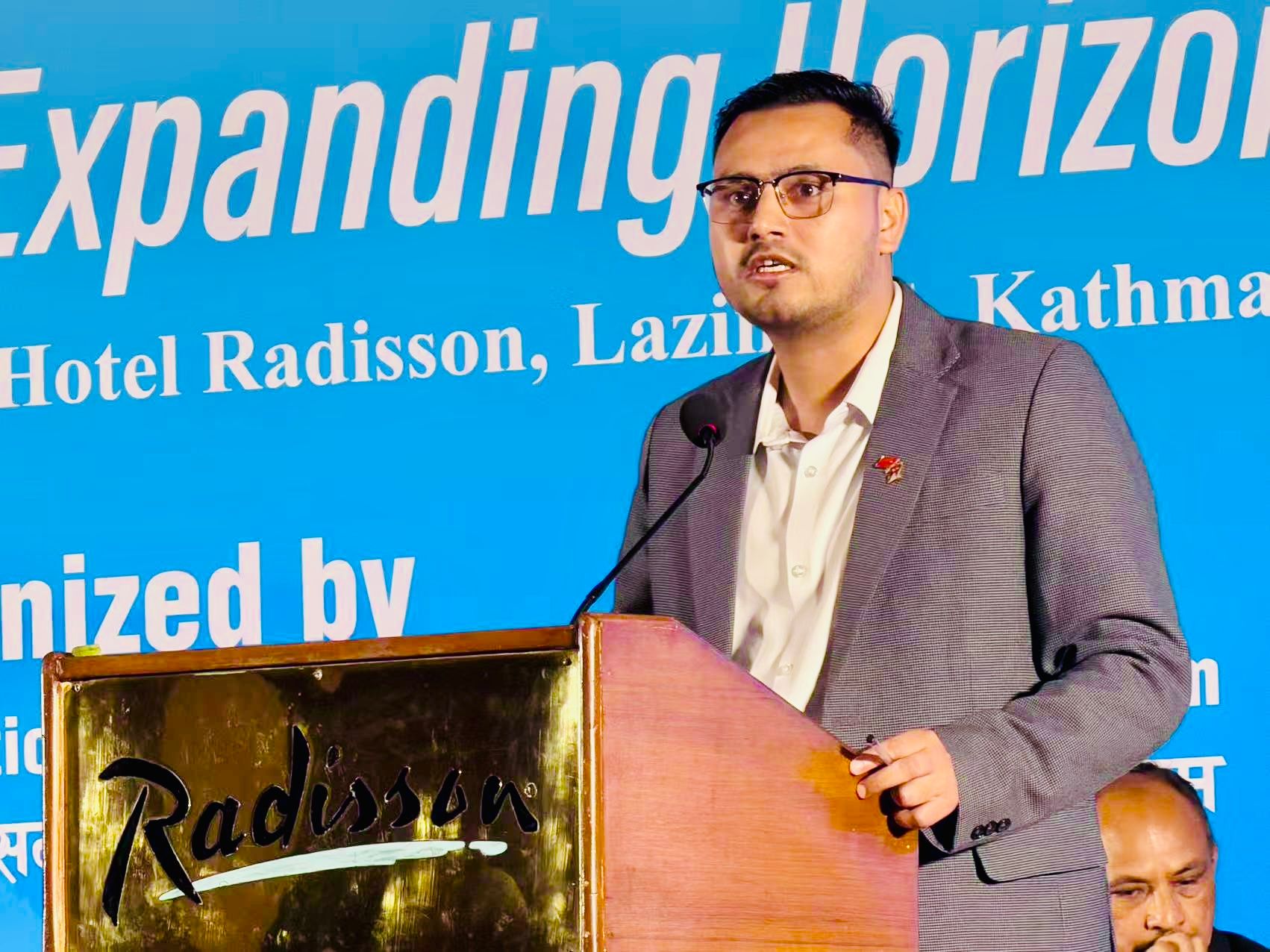
"Every Nepali student studying in China is, in themselves, a small bridge," he said.
Bhatta himself has sought to extend that role beyond campus. He serves as Founding Board Chairman of the Nepali Students Organization (NSO) China and has been involved in student activities and community service connecting the two countries.
At the Kathmandu forum, Bhatta proposed establishing more regular youth exchanges between the two countries, creating a Nepal-China Youth Innovation Network, and developing joint cultural, environmental, community and volunteer projects.
He said future youth cooperation should extend beyond visits and dialogues toward joint research, entrepreneurship and problem-solving in areas including technology, renewable energy, agriculture, tourism, education and infrastructure.
"Friendship must create opportunities," he said.
Looking ahead, Bhatta hopes young people from the two countries can deepen cooperation in education, employment, tourism, technology, entrepreneurship and cultural exchange.
After graduation, he plans to continue introducing Chinese educational opportunities, development experience and technological advances to more young people in Nepal, while helping Chinese students and entrepreneurs learn more about Nepal.
For him, the goal is not simply to increase the number of exchanges, but to make them more meaningful.
"Let us not only be friends, but partners," Bhatta said. "Let us not only understand each other's past, but together create each other's future."
By: Qin Mian
Weijin Road Campus: No. 92 Weijin Road, Nankai District, Tianjin
300072
Peiyangyuan Campus: No.135 Yaguan Road, Haihe Education Park, Tianjin
300350