

Tianjin University hosts symposium on Feng Jicai’s literary and heritage legacy
On September 12-13, over 100 experts, scholars, and guests from China and abroad gathered at Tianjin University for the “Persistence and Exploration” International Symposium on Feng Jicai’s Literature and Cultural Heritage Protection.
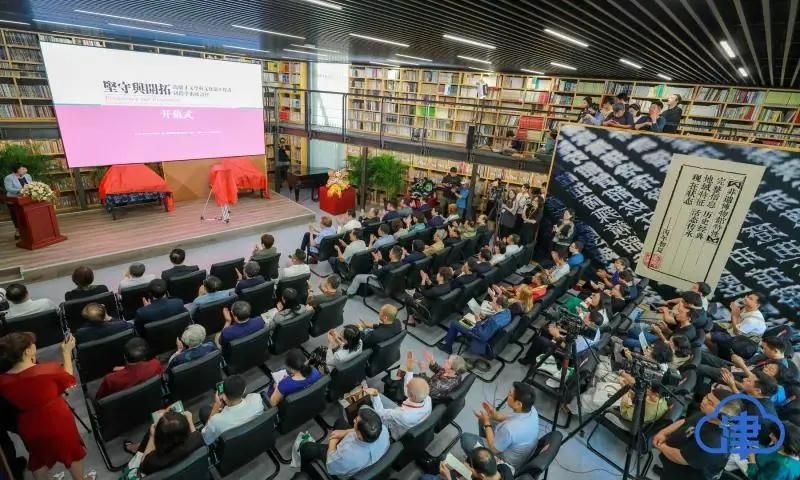
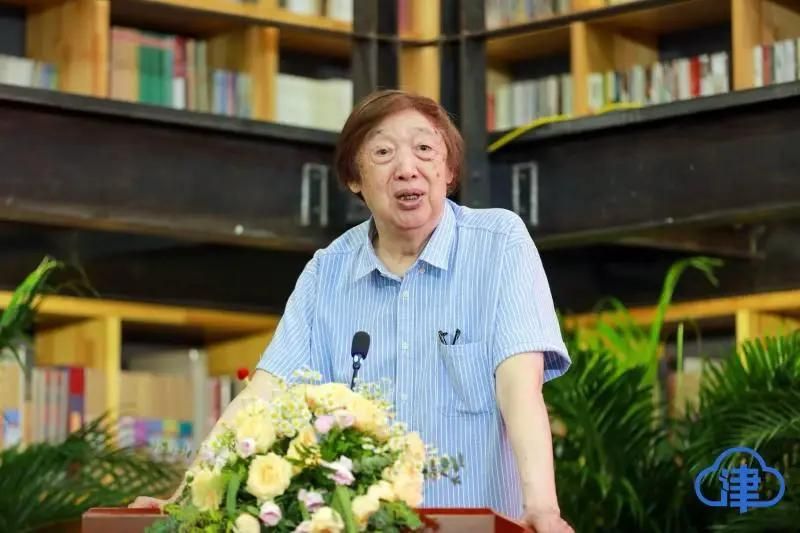
Participants explored Feng’s dual legacy in literature and cultural preservation through topics including literary creation, international translation of his works, Tianjin cultural studies, mutual learning among civilizations, and the development of intangible cultural heritage (ICH) as an academic discipline. The discussions aimed to deepen academic exchange, build a shared cultural consensus, and share global experiences in heritage protection.
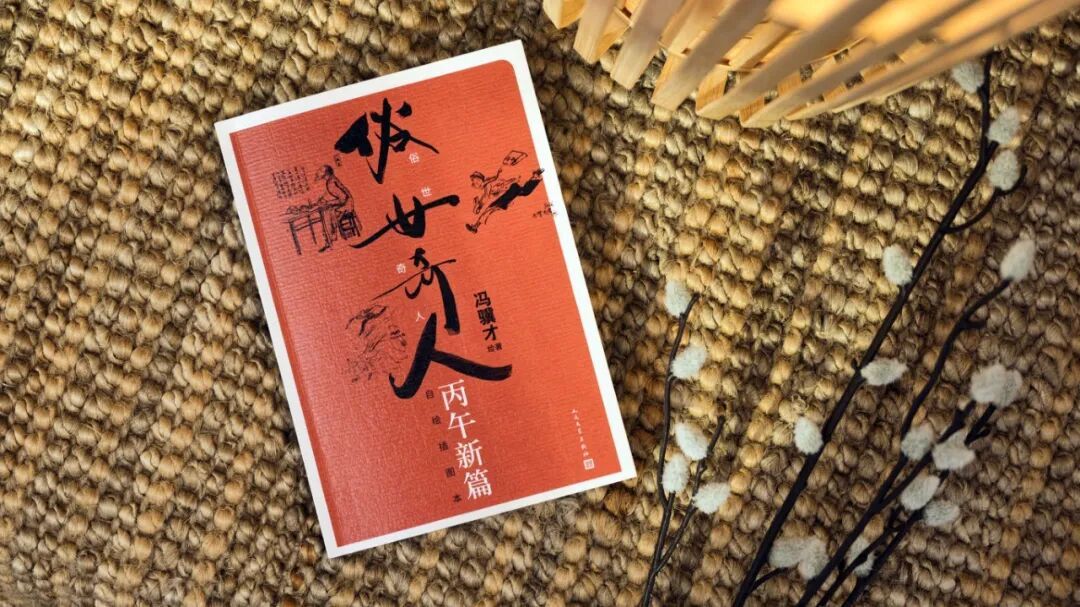
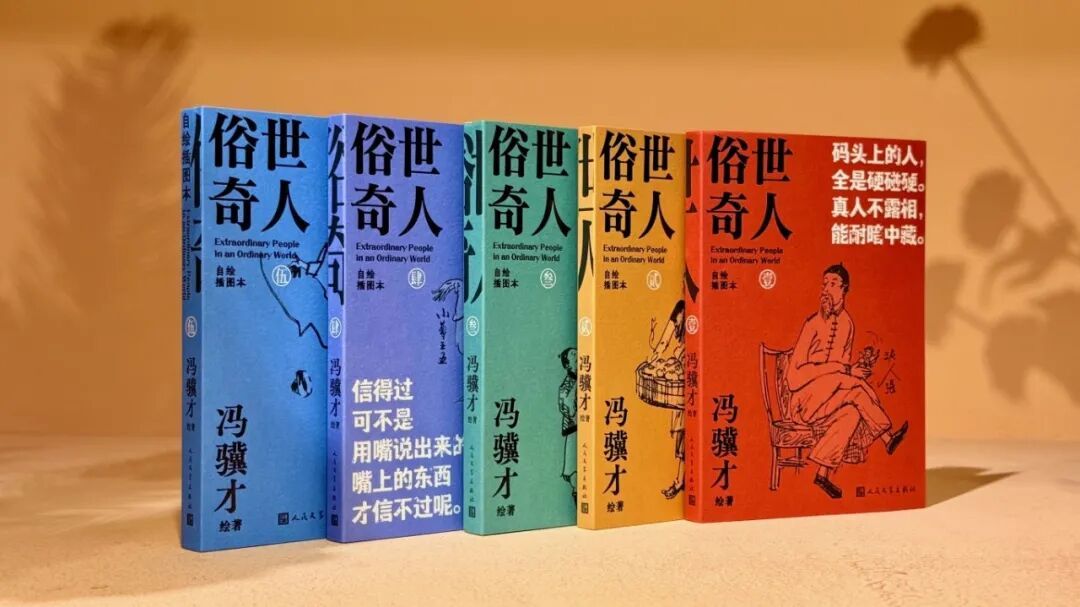
Feng, Dean of Tianjin University’s Feng Jicai Institute of Literature and Art, is widely recognized as a towering figure in Chinese literature, painting, and cultural preservation. For generations of readers, he is best known for “Mortal Oddities”, a beloved series capturing the eccentric characters of early 20th-century Tianjin. With the release of the fifth volume this weekend, the series has surpassed 18 million copies in print.
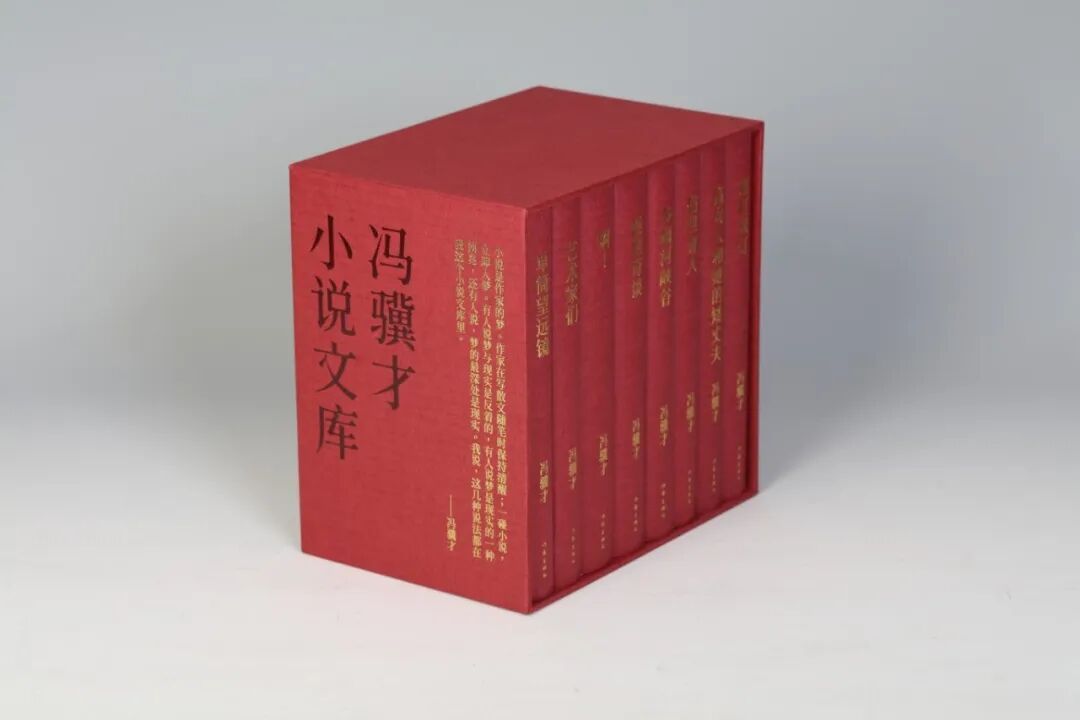
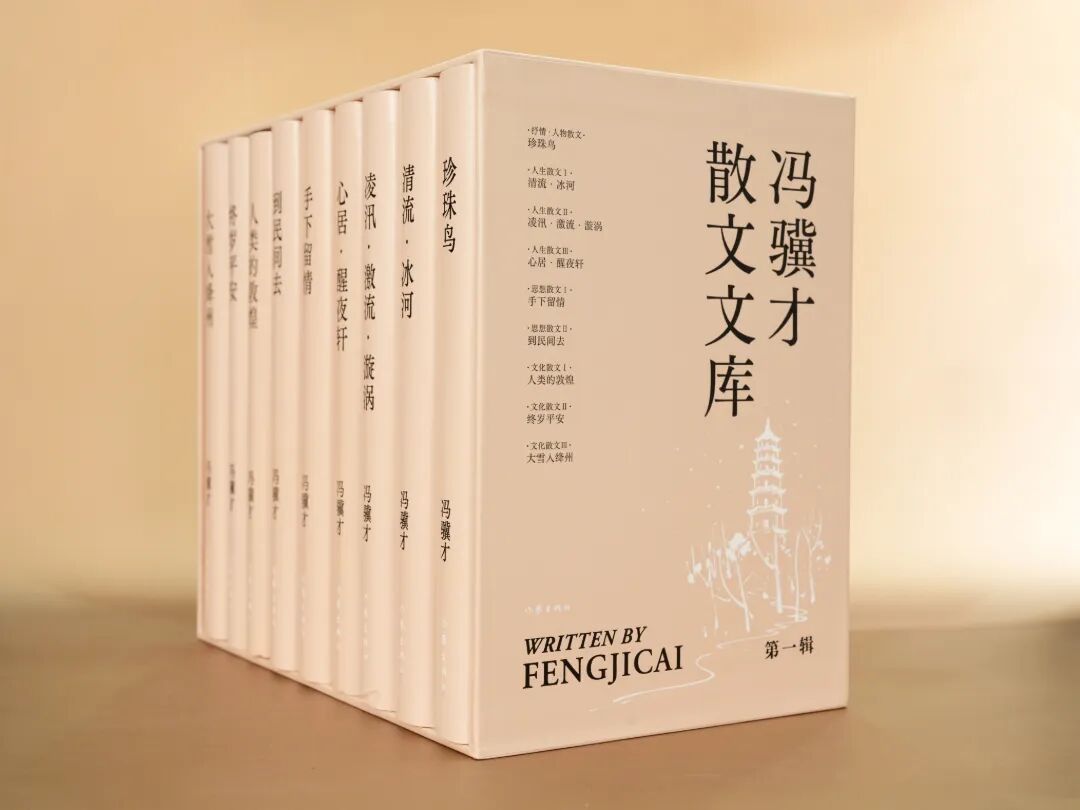

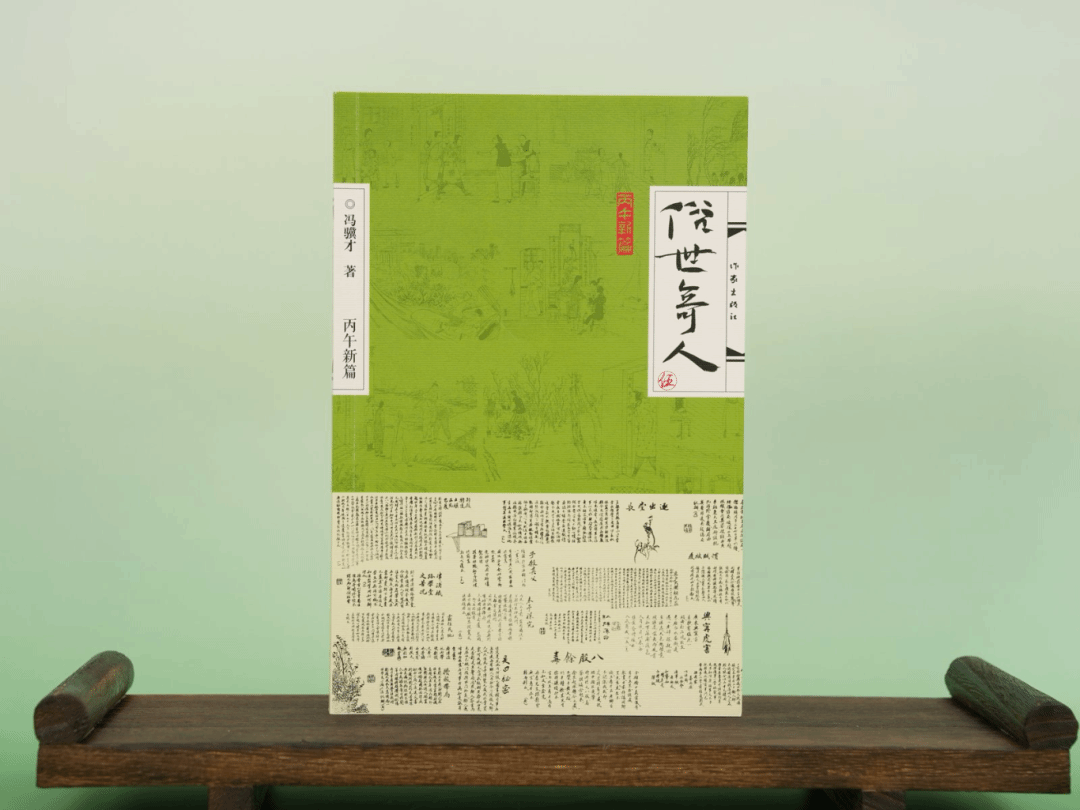
The symposium coincided with the release of major new collections of Feng’s fiction and essays, totaling over eight million words, and the launch of a biographical documentary titled “Rushing Currents”.
“Three generations of my family have read Mr. Feng’s work,” said He Xiangyang, Vice President of the China Writers Association. “He is a milestone figure in contemporary Chinese literature, but his true legacy is bridging the act of writing about culture with the act of protecting it.”
Tianjin University has emerged as a central hub for ICH studies, having established China’s first master’s degree program in the interdisciplinary field in 2021. The program integrates fieldwork, oral history, and traditional village preservation into its curriculum, reflecting the university’s commitment to cultivating young scholars who will carry forward the work of cultural preservation.
By Sun Xiaofang
Weijin Road Campus: No. 92 Weijin Road, Nankai District, Tianjin
300072
Peiyangyuan Campus: No.135 Yaguan Road, Haihe Education Park, Tianjin
300350