

From "Waiting for Tourists" to a Digital Gateway: TJU Students Build a Mini Program to Bring Rural Tourism Online
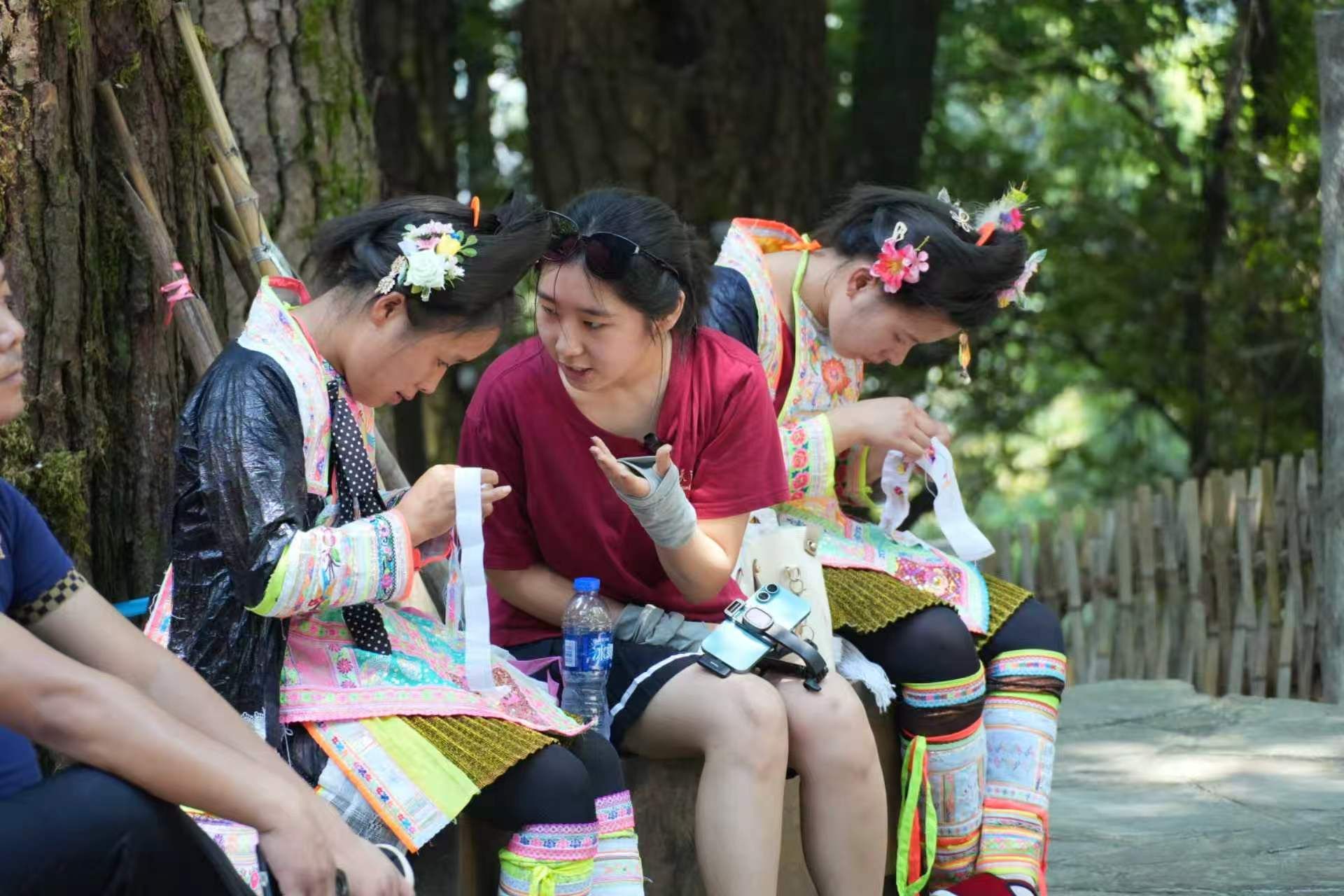
This summer, a team of Tianjin University students embarked on two journeys in opposite directions. One group traveled south to the Miao and Dong ethnic communities in Congjiang County, Guizhou Province, while the other stayed in Chen'guan'tun Town in Jinghai District, Tianjin. Although the two destinations are more than 2,000 kilometers apart, the students were working toward the same goal: visiting homestays door to door, documenting local intangible cultural heritage, taking on-site photographs and bringing the information together in a mini program called "Smart Rural Tourism."
The idea was inspired by a common challenge they encountered in both places.
In Basha Miao Village in Congjiang, a homestay owner told the students about a frustrating problem: spectacular Jiabang Rice Terraces were just a short distance away, but potential guests could only book rooms through personal referrals because information about local homestays was difficult to find online.
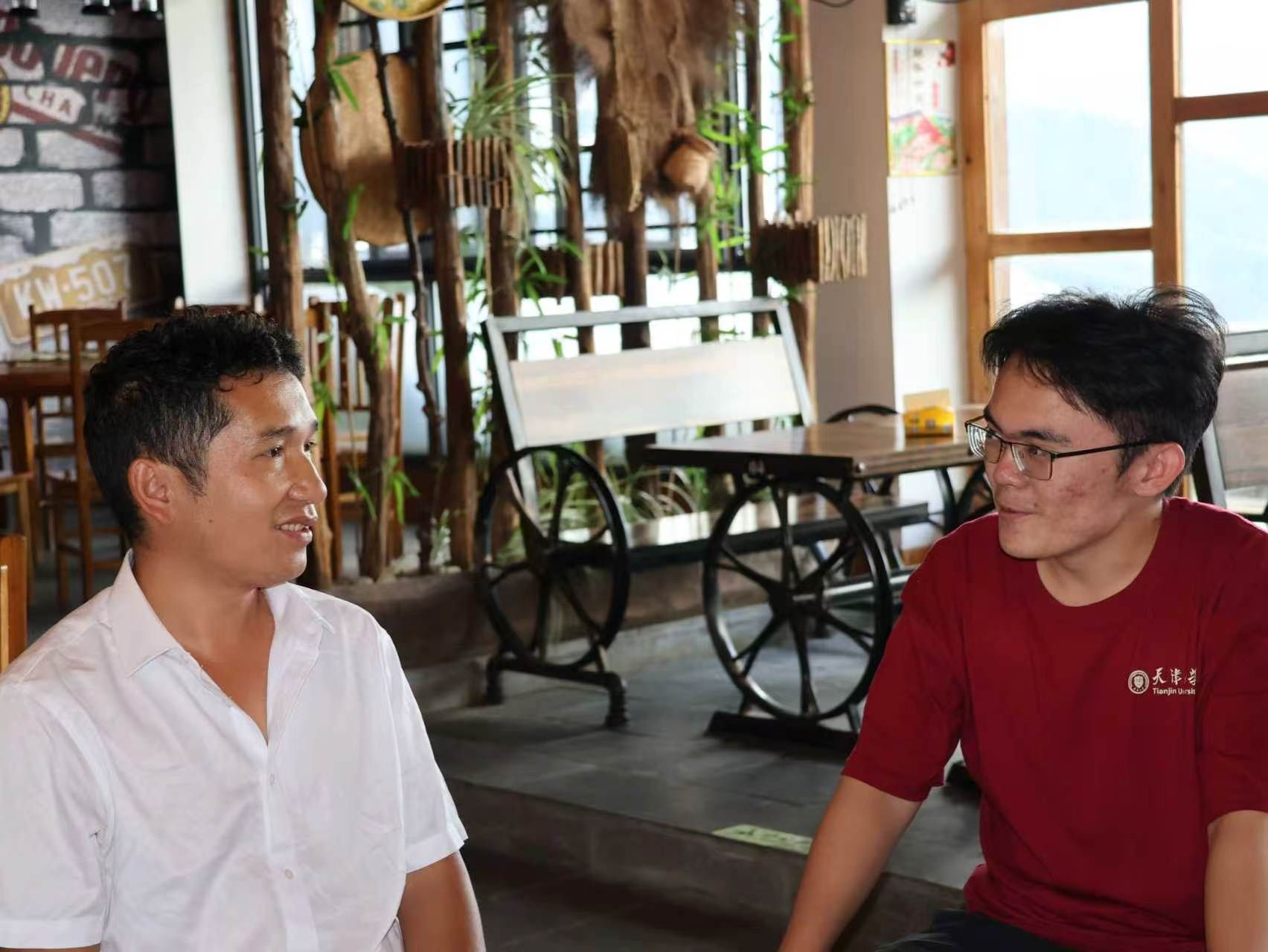
A similar concern emerged in Chen'guan'tun Town. An elderly resident spoke with regret about how the Grand Canal ran through the village and how its winter vegetable-making tradition had been passed down for six generations, yet few people from outside the area had even heard of the village.
The two regions are vastly different in terms of their natural and cultural resources, but their dilemma was strikingly similar. Both had distinctive rural tourism resources and visitors eager to experience them, yet a gap in information stood between the two sides.
The students decided to use their professional skills to help bridge that gap.
In Congjiang, the team visited Basha Miao Village, Xiaohuang Dong Village and the Jiabang Rice Terraces, going from household to household to verify the number of rooms available at homestays, their services and peak seasons. They also took photographs, recorded transportation routes and compiled scattered information from different villages into standardized digital profiles.
In Chen'guan'tun Town, they traced the history of intangible cultural heritage along the Grand Canal, mapped out digital tour routes and incorporated local stories of top-ranked scholars, canal traditions and the region's distinctive winter vegetable-making heritage into a distinctive cultural tourism brand. Stories and traditions once passed down by word of mouth around village fire pits and beneath old locust trees can now be explored through vivid text and images on the mini program.
"The students are not sitting in an office writing code. They are in the fields and under the stilted houses, gaining a firsthand understanding of what rural communities really need," said Lü Yongyang, the team's faculty adviser.
In his view, the value of the mini program extends well beyond the technology itself. By addressing the long-standing information gap in rural tourism at very low cost, the platform can help lesser-known destinations gain greater visibility while enabling local residents to become direct contributors to—and beneficiaries of—digital tourism content. It also offers a replicable and scalable approach to promoting the digital transformation of rural tourism.
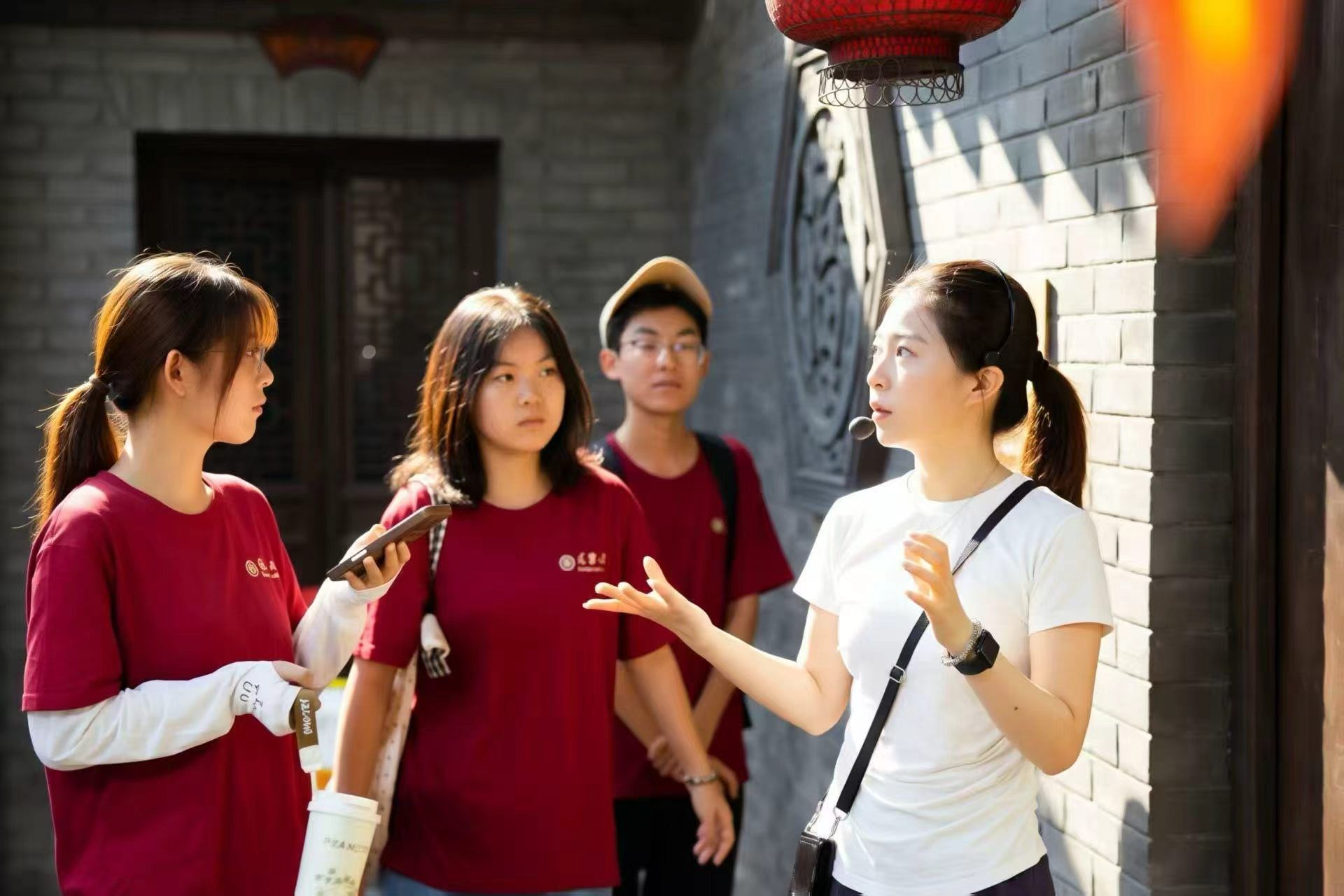
The Tianjin University "Wuyou" practice team has long explored ways to integrate digital technology with grassroots governance and cultural heritage preservation. This summer's north-south collaboration gave the students a clearer understanding of what it means for young people to contribute to rural development.
It is not simply about paying a brief visit, but about using professional expertise to build lasting connections with rural communities. Nor is it a one-way effort to "help" rural areas; rather, it is about enabling urban and rural communities to connect and benefit one another through technology.
When a tourist books a homestay in a Miao village through the mini program, or when someone discovers the story of the Grand Canal with a few taps on a screen, rural communities gain tangible visibility and opportunities, while the students gain valuable lessons that cannot be learned in a classroom alone.
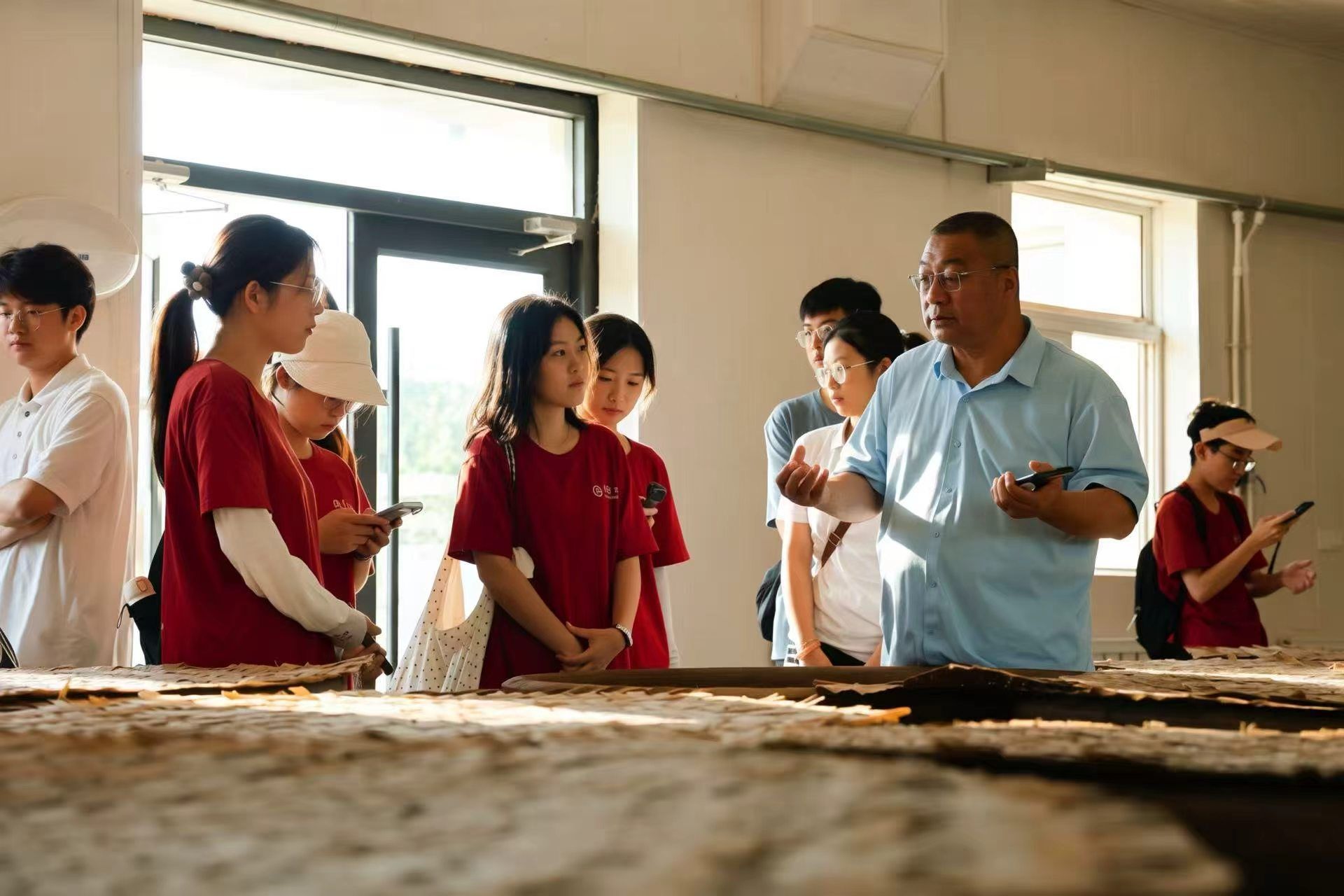
A digital network now links rural communities across mountains and rivers. A single mini program connects the countryside with visitors from afar. By walking the land and using code to address real-world challenges, Tianjin University students are helping rural landscapes thousands of kilometers away reach a wider audience online.
For these young people, this may be one of the most vivid expressions of what university students can contribute to society: identifying real problems and working to solve them, while keeping their feet firmly on the ground as they pursue bigger possibilities.
By: Yu Boyang
Weijin Road Campus: No. 92 Weijin Road, Nankai District, Tianjin
300072
Peiyangyuan Campus: No.135 Yaguan Road, Haihe Education Park, Tianjin
300350