

Tianjin University Holds Practice Activity to Commemorate the 130th Anniversary of Mao Yisheng’s Birth
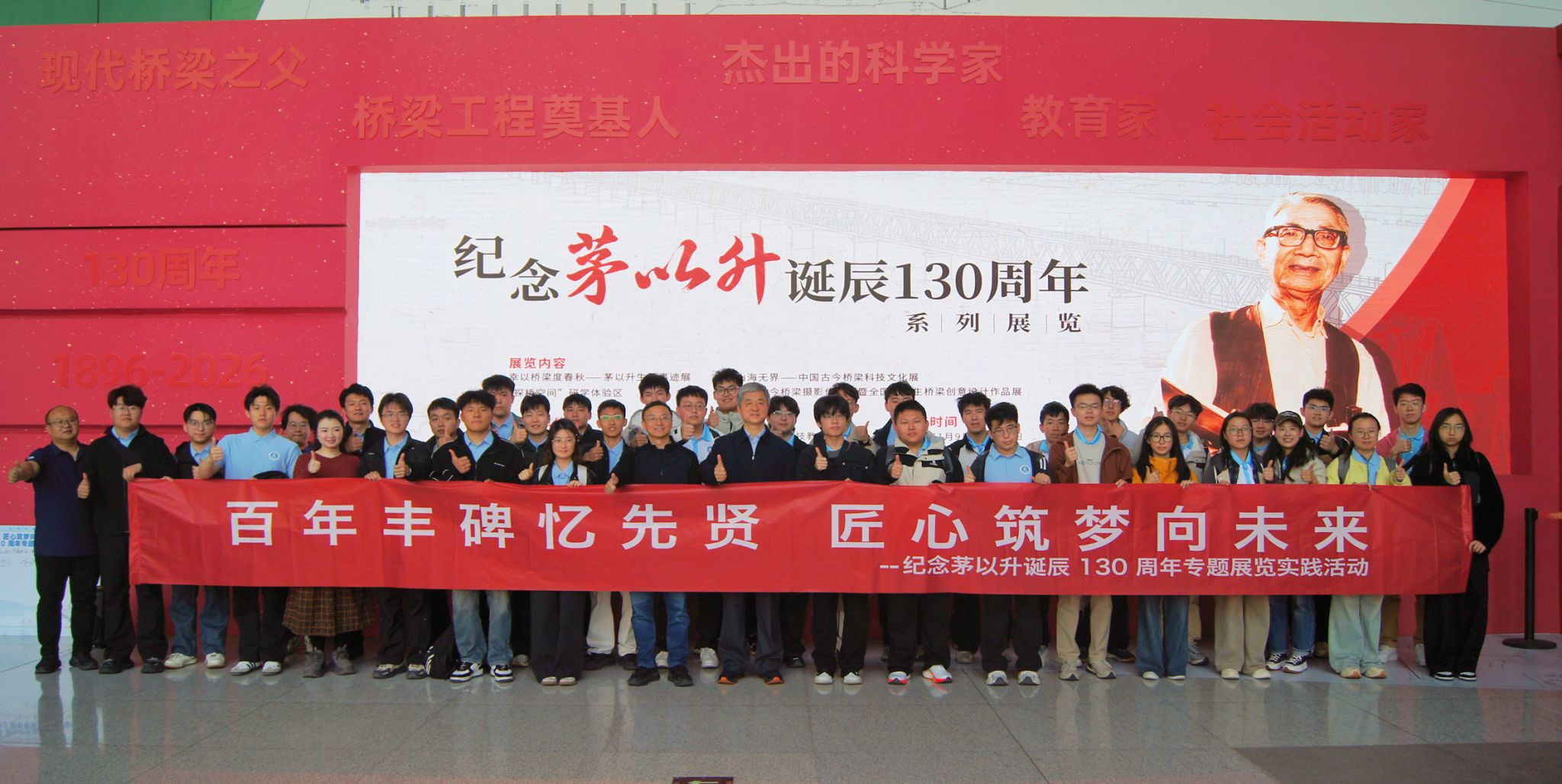
On March 29, students from the Mao Yisheng Class and the Student Cadre Training Program of the School of Civil Engineering, Tianjin University, visited the China Science and Technology Museum to take part in a series of practical learning activities held in conjunction with the exhibition commemorating the 130th anniversary of the birth of Mr. Mao Yisheng. Liu Xiaoguang, Vice Chairman and Secretary-General of the Beijing Mao Yisheng Science and Technology Education Foundation, and Li Zhenyu, Secretary of the Party Committee of the School of Civil Engineering, Tianjin University, attended the event.
Co-organized by the China Science and Technology Museum and the Beijing Mao Yisheng Science and Technology Education Foundation, the exhibition takes "bridges" as its core thread to connect history, technology, art, and the future. Through a diverse array of formats—including precious historical documents, physical exhibits and immersive multimedia displays—it presents a comprehensive portrait of Mr. Mao Yisheng’s scientific life and outstanding contributions. The exhibition also offers a systematic review of the evolution of China’s bridge industry, from traditional mortise-and-tenon craftsmanship to modern engineering technology, providing a deeply insightful and intellectually enriching experience for all attendees.
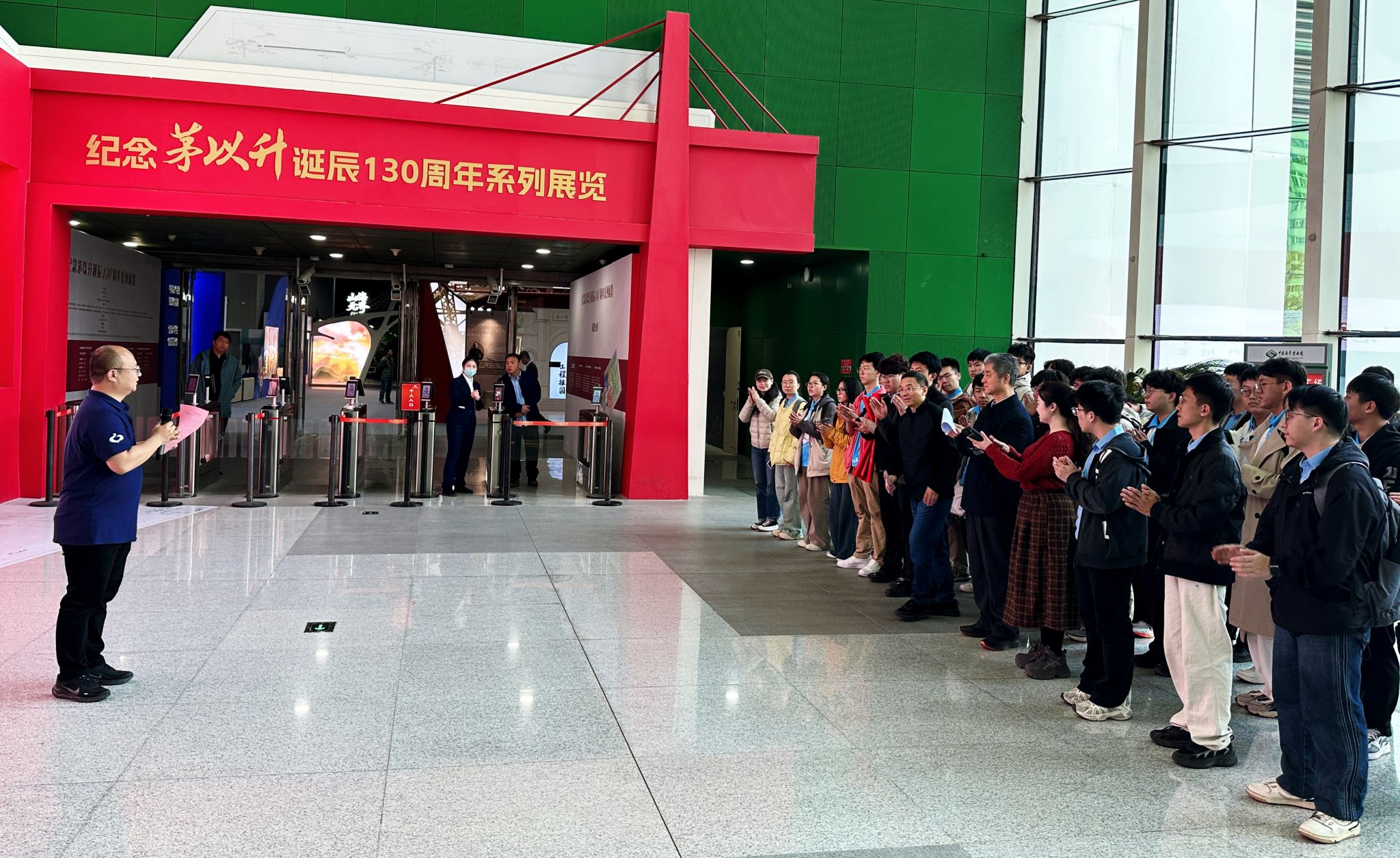
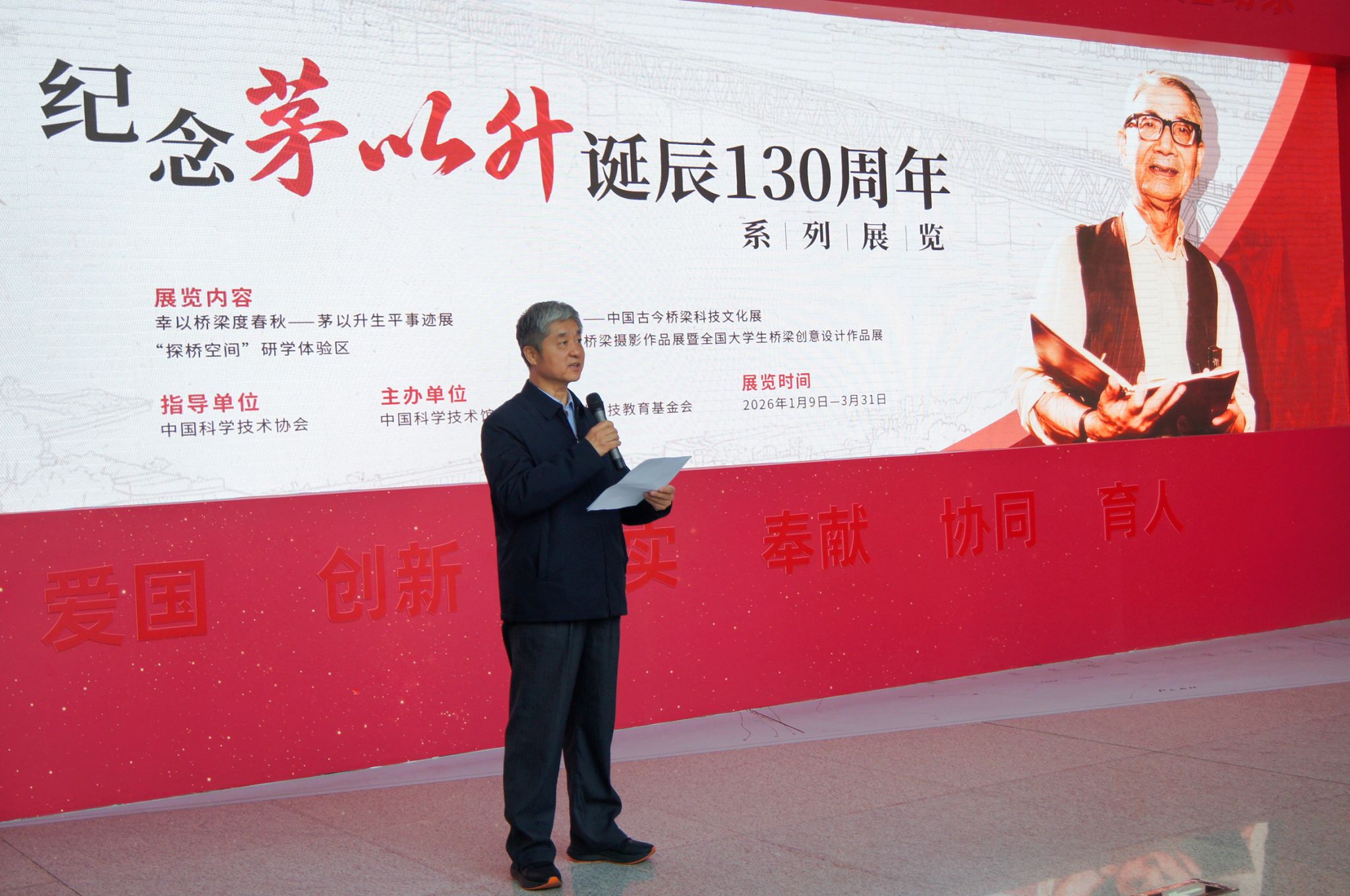
Li Zhenyu extended high respect to the Beijing Mao Yisheng Science and Technology Education Foundation for its long-term commitment to inheriting the spirit of Mao Yisheng and promoting the development of China's science, technology, education and civil engineering. He noted that Mr. Mao Yisheng is a founder of modern bridge engineering in China and an enduring spiritual symbol of Tianjin University. The establishment of the Mao Yisheng Class and the holding of the Student Cadre Training Program by the School of Civil Engineering, Tianjin University, not only carry forward Mr. Mao Yisheng's original aspiration in education, but also serve as an important measure to cultivate outstanding engineering talents for the new era. He encouraged all students to follow Mr. Mao Yisheng's example and strive to become engineering builders of the new era.
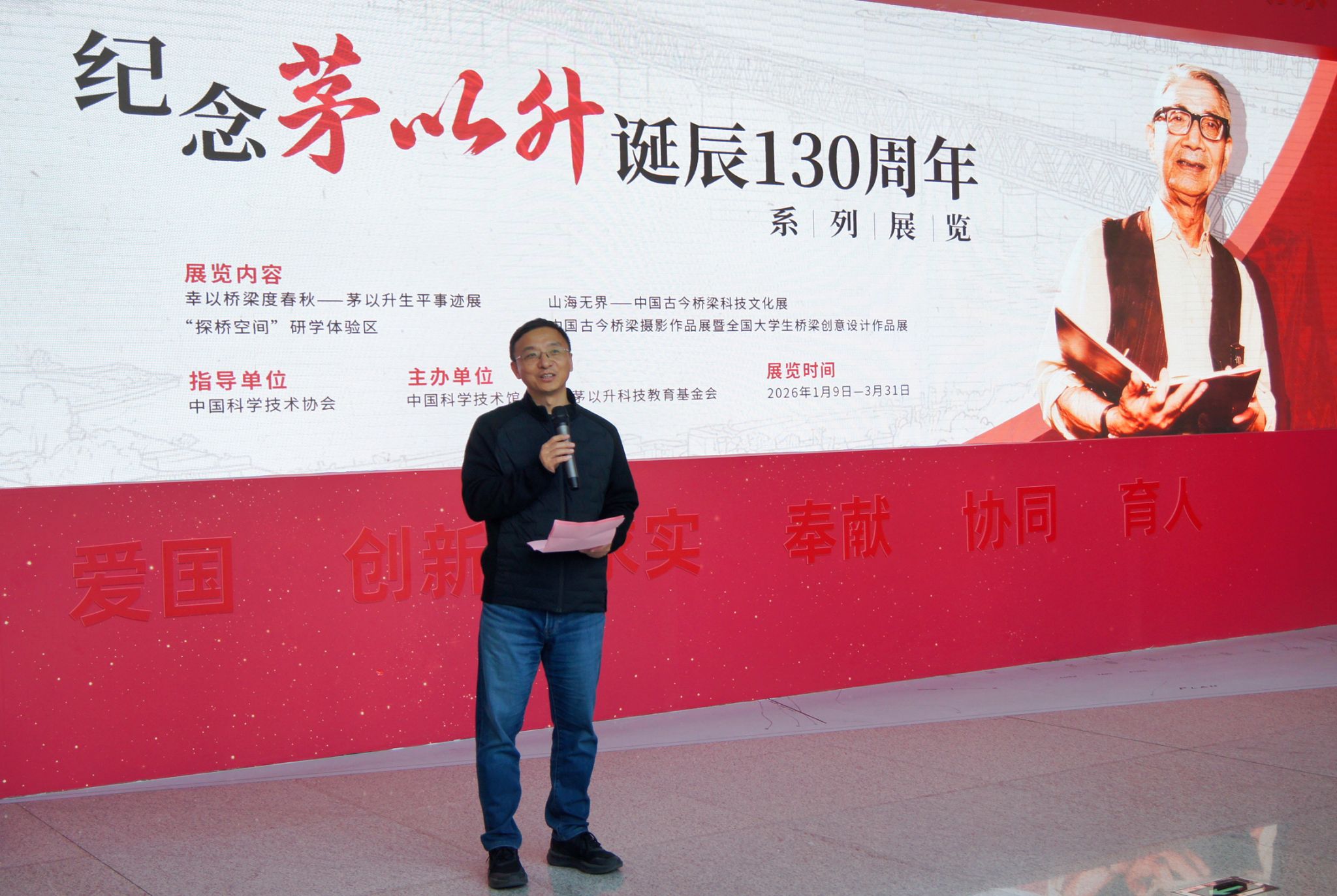
Liu Xiaoguang reviewed Mr. Mao Yisheng's life of devoting himself to serving the country, pursuing in-depth scientific research and dedicating to education. He recounted the challenging journey of Mr. Mao leading the construction of the Qiantang River Bridge and elaborated on the contemporary significance of the Mao Yisheng Spirit. He stated that the foundation's cooperation with universities in launching the Mao Yisheng Class aims to integrate the Mao Yisheng Spirit into the whole process of engineering education, so as to pass on the mission of serving the country through engineering.
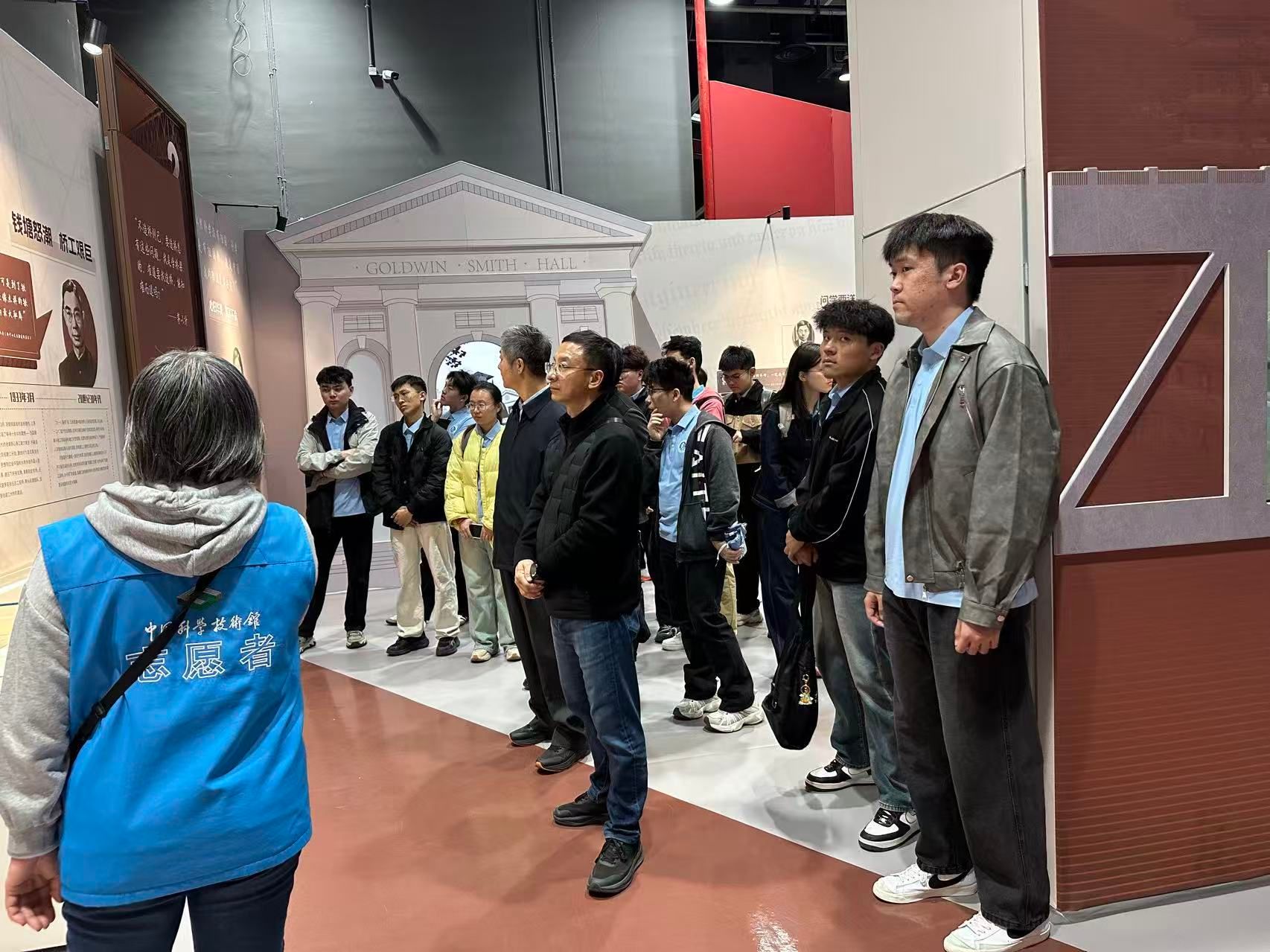
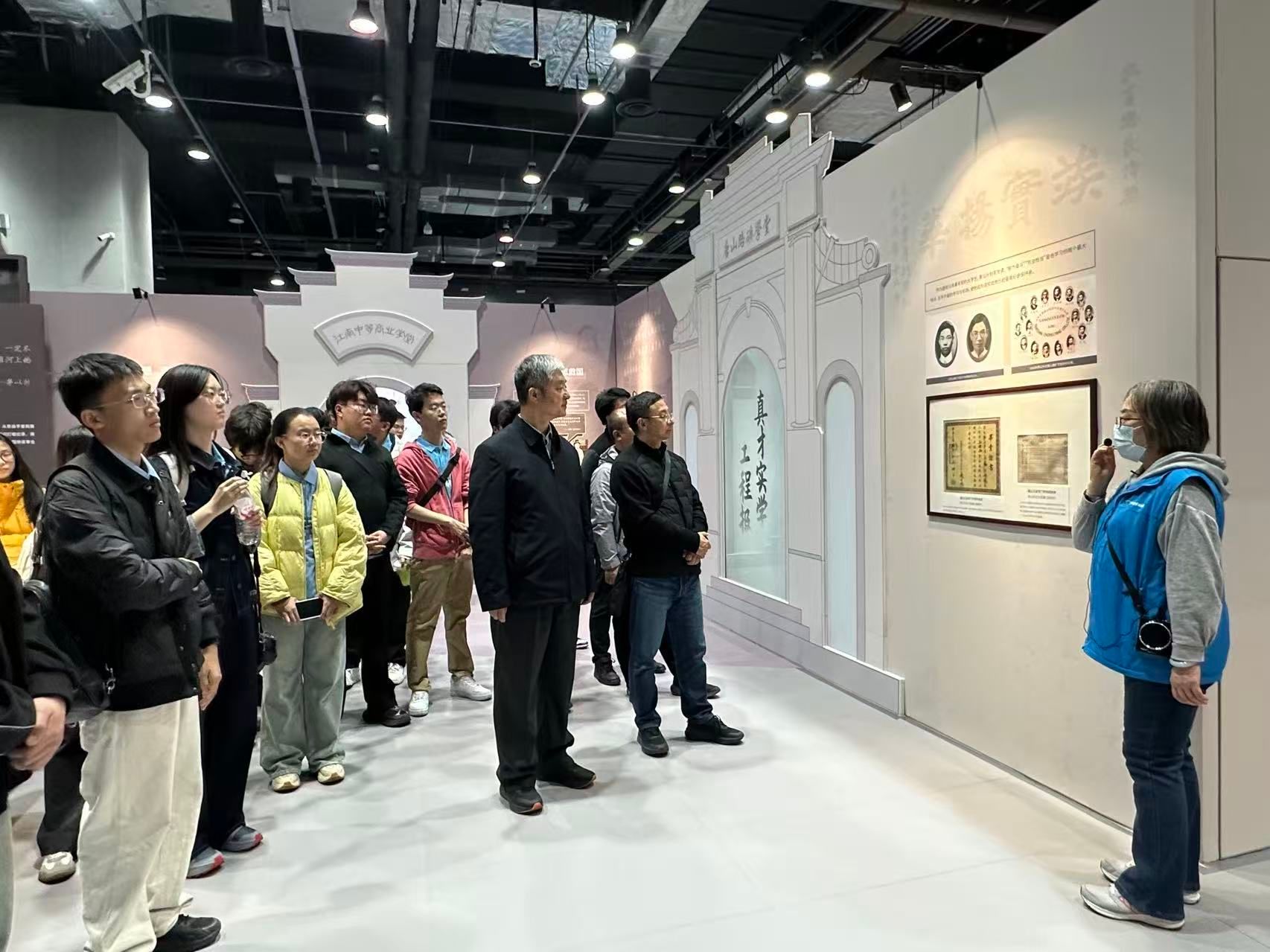
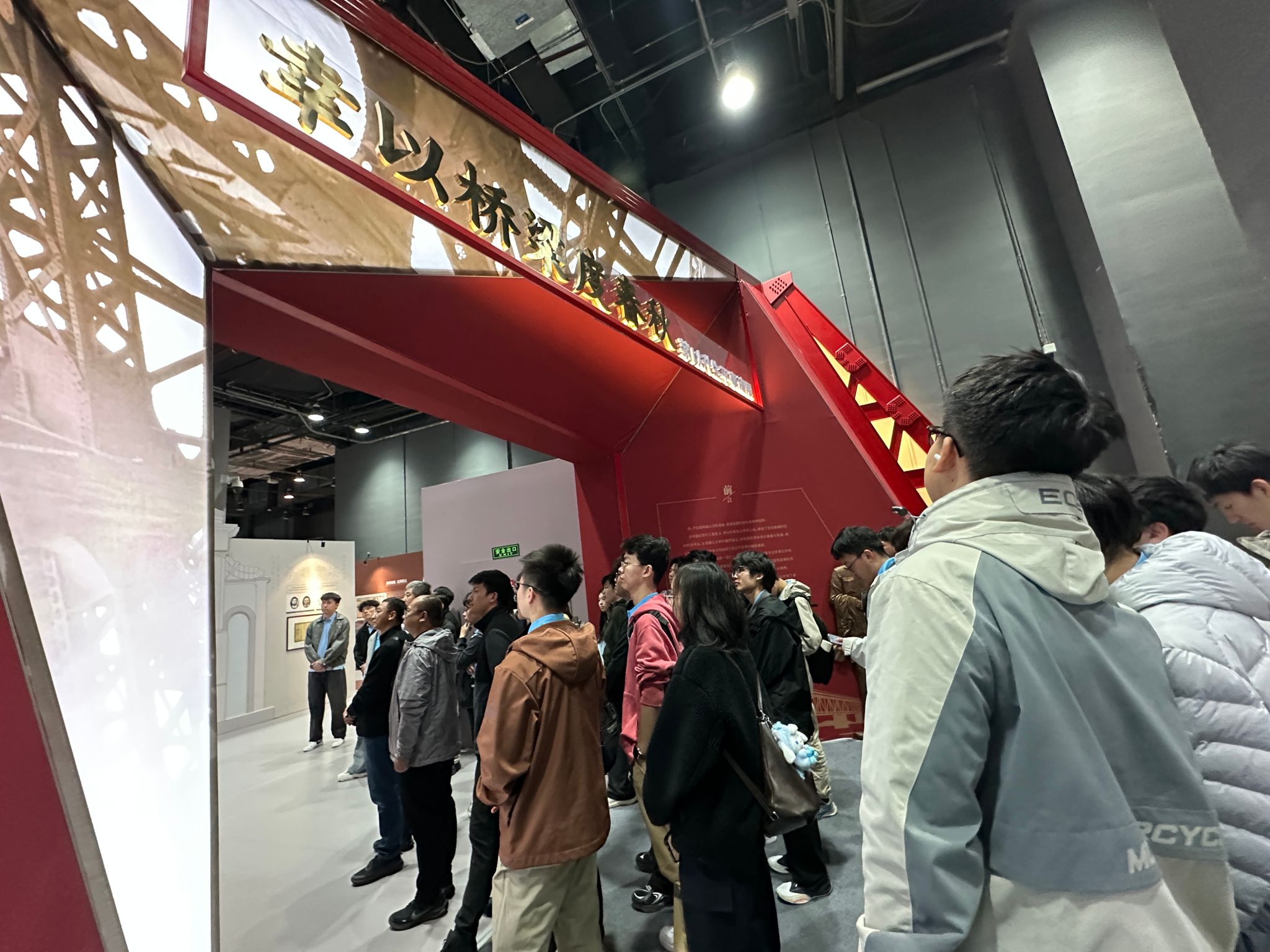
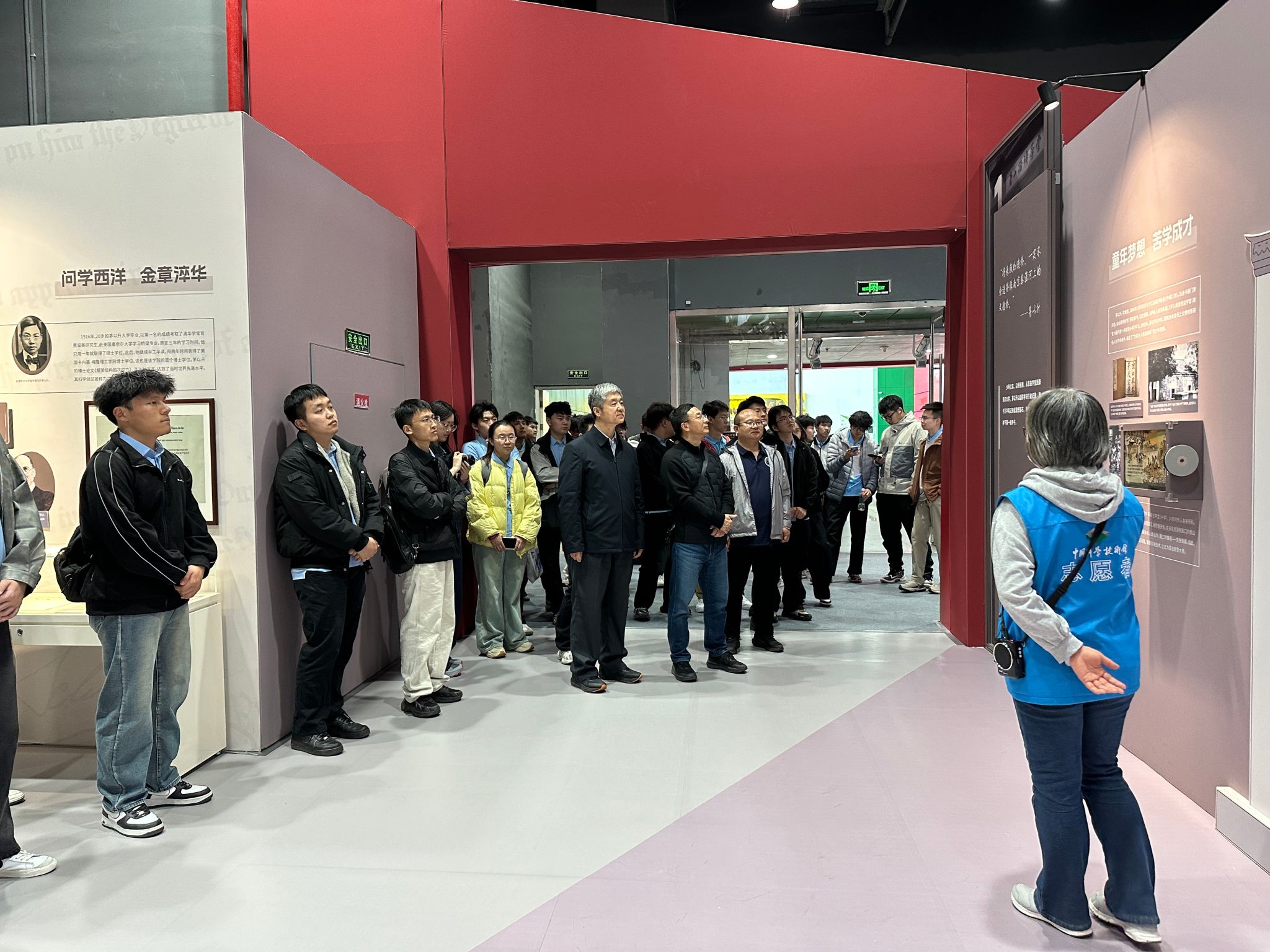
Teachers and students entered the exhibition hall in an orderly manner for immersive learning. They watched carefully and conducted in-depth exchanges in front of historical photos, physical exhibits and video materials, gaining a detailed understanding of Mr. Mao Yisheng's glorious journey in academic pursuit, scientific research and innovation, as well as teaching and education. They also experienced the development achievements of China's bridge science and technology firsthand, further deepening their understanding and recognition of the Mao Yisheng Spirit.
Having devoted his entire life to the engineering field and upheld his original aspiration in education, Mr. Mao Yisheng has left a spiritual legacy that stands as a valuable asset to China's engineering and scientific community. It also serves as a spiritual banner inspiring generations of young people to engage in national construction and shoulder the missions of the times. His spirit plays a vital guiding role in promoting China's scientific and technological self-reliance and self-improvement, and in nurturing a new generation of young people capable of shouldering the great responsibility of national rejuvenation.
By: Yu Boyang
Weijin Road Campus: No. 92 Weijin Road, Nankai District, Tianjin
300072
Peiyangyuan Campus: No.135 Yaguan Road, Haihe Education Park, Tianjin
300350