

Breakthrough in Carbon Capture Membrane Manufacturing Supports Carbon Goals
A research team led by Tianjin University has achieved a major breakthrough in the industrial manufacturing of mixed-matrix membranes for carbon capture, providing new technological support for carbon peaking and carbon neutrality efforts. The findings were published online in Advanced Materials in March 2026.
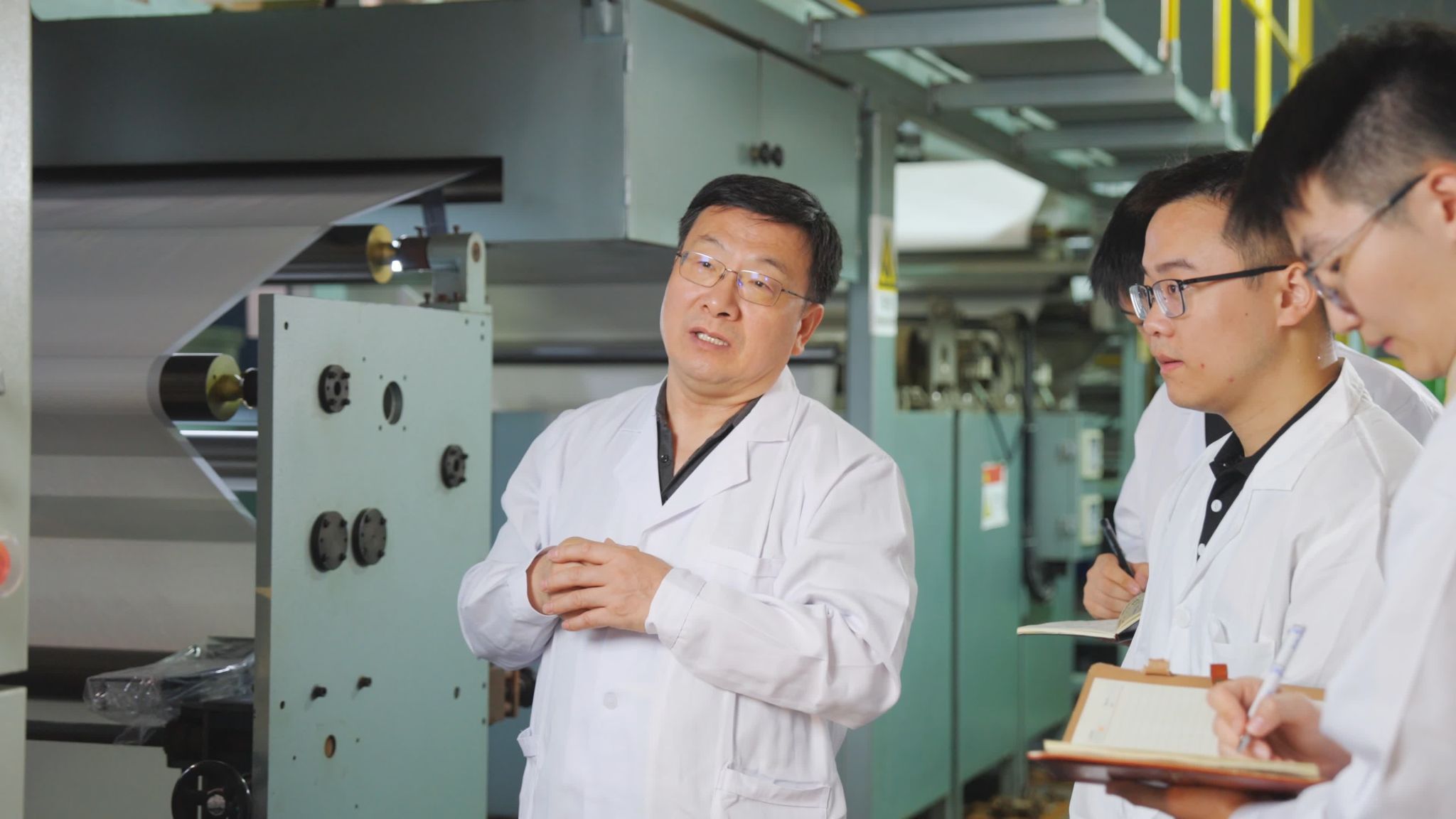
The study was led by Professor Wang Zhi’s team at the School of Chemical Engineering and Technology, Tianjin University, in collaboration with researchers from Tiangong University, the University of Queensland, and the University of California, Santa Barbara. The team developed a positively charged polymer-brush metal-organic framework (MOF) material based on a “pre-occupation and post-activation” strategy, and realized roll-to-roll continuous manufacturing of 1-meter-wide MOF-based pressure-resistant mixed-matrix composite membranes for carbon dioxide separation for the first time.
The achievement marks a major step toward the industrial deployment of MOF-based gas separation membranes and offers a practical solution to a long-standing challenge in the field: how to translate advanced membrane materials from laboratory research into large-scale factory production.
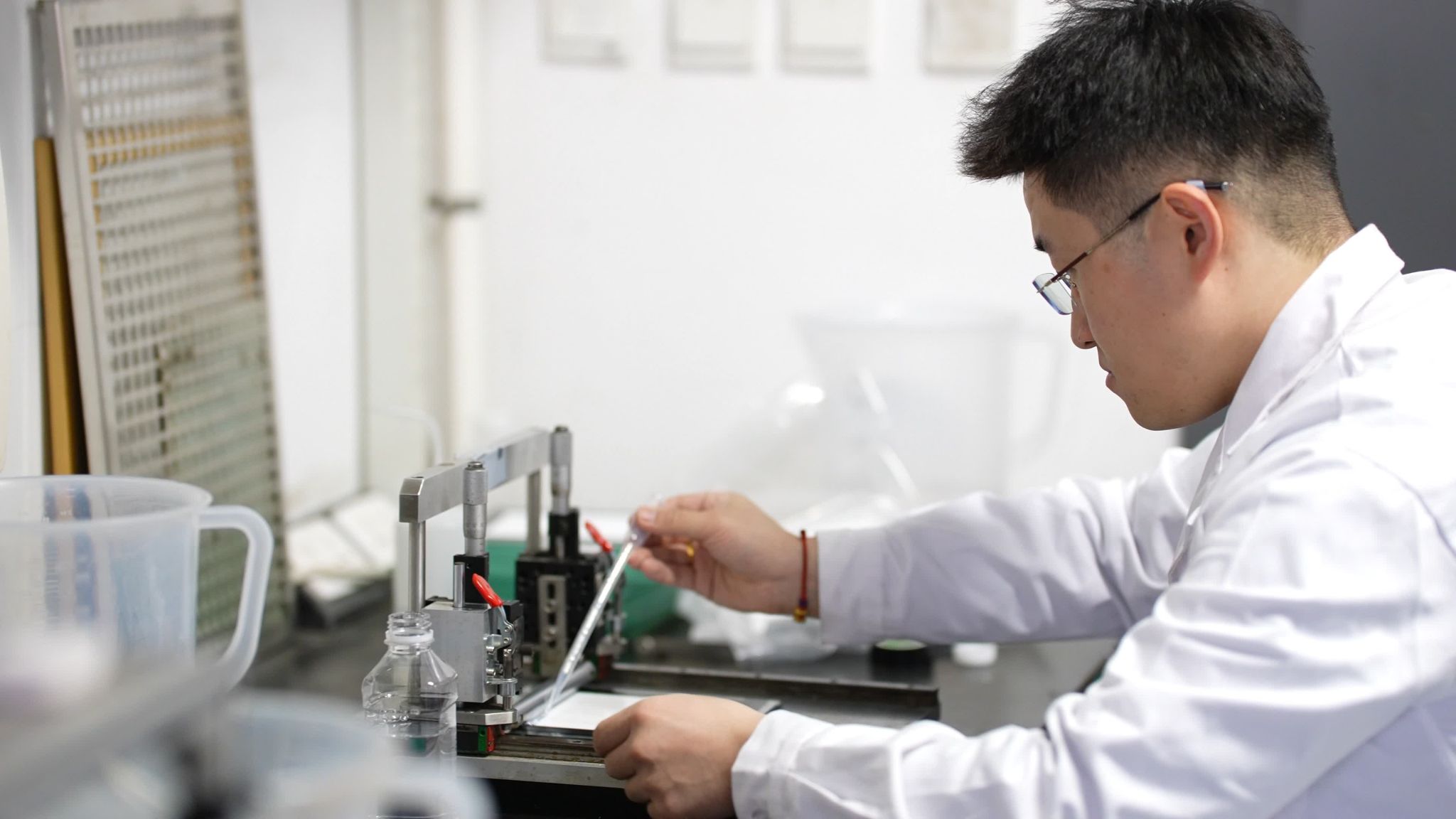
Efficient carbon dioxide separation is a critical part of carbon capture, utilization and storage. Membrane-based carbon capture has attracted growing attention because it consumes less energy, avoids solvent volatilization pollution, can be integrated into modular systems, and requires a relatively small footprint. In recent years, researchers worldwide have developed a range of high-performance mixed-matrix membranes under laboratory conditions, many of which have shown strong separation performance. However, the membrane area achieved in laboratory preparation remains far below what is needed for industrial deployment.
A major barrier to large-scale continuous manufacturing lies in the instability of filler dispersion under non-equilibrium processing conditions. In practice, filler systems that remain stable under mild laboratory conditions can lose stability during rapid industrial coating, leading to particle aggregation and interfacial defects at multiple scales.
To address this challenge, the team proposed the “pre-occupation and post-activation” strategy and developed a positively charged polymer-brush MOF material capable of maintaining stability both in static dispersion and during dynamic processing.
The work delivered advances in three key areas. First, the researchers introduced a new design concept for membrane fillers by shifting the focus from stability under static laboratory conditions to stability throughout dynamic industrial processing. This moved beyond the conventional design logic of ensuring that fillers remain stable only in mild environments.
Second, the team developed an effective pore-protection strategy. Because polymer modification can easily block pore channels, the researchers first used protonated amine groups to occupy the pores and guide polymer grafting onto the external surface, and then deprotonated the material to reactivate the amine groups and reopen the channels. This made it possible to construct a polymer-brush layer while preserving efficient carbon dioxide transport.
Third, the researchers established a dual-stability mechanism. The highly positively charged framework and surface polymer brushes worked together through electrostatic and steric effects to ensure stable dispersion under static conditions. At the same time, the extended polymer brushes formed interlocking structures with the polymer matrix through dense hydrogen bonding, helping the material resist aggregation during rapid solvent evaporation. This fundamentally addressed the problem of dynamic instability in large-scale processing.
Building on the laboratory breakthrough, Professor Wang’s team also worked with industry partners to carry out industrial-scale validation and establish a viable route from laboratory research to factory production. Using a self-designed industrial roll-to-roll blade-coating line, the team achieved continuous and stable manufacturing of 1-meter-wide MOF-based pressure-resistant mixed-matrix composite membranes for carbon dioxide separation.
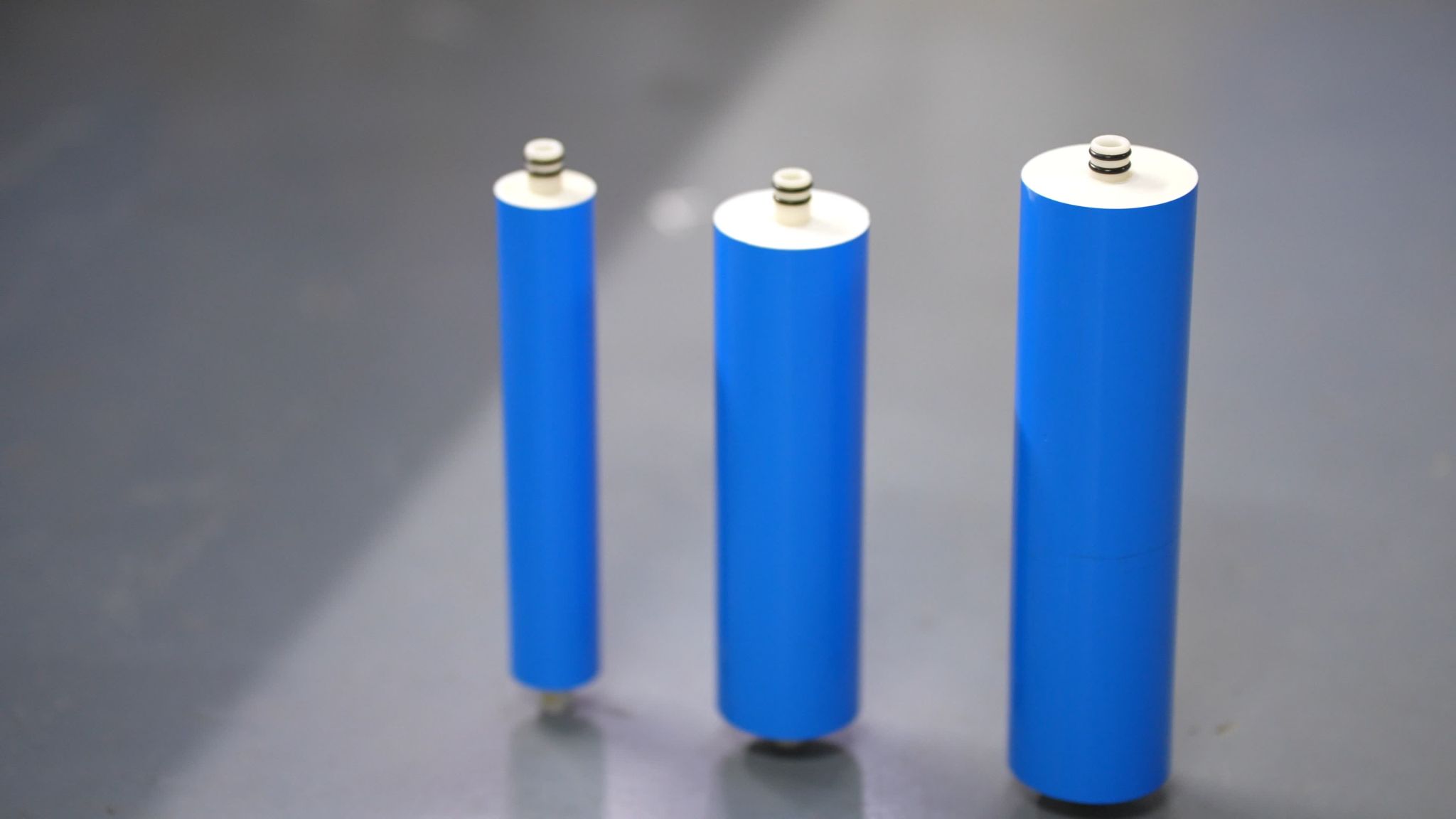
The resulting membranes showed strong performance in applications such as natural gas decarbonization and post-combustion carbon capture. Systematic sampling and repeated batch validation demonstrated good scalability and uniformity. A techno-economic assessment showed that, for the same separation target, the new membrane could reduce the required membrane area by more than one order of magnitude compared with similar reported membranes, helping lower capital investment and significantly reduce equipment footprint.
The research was carried out mainly through two national key R&D projects undertaken by Professor Wang’s team. Looking ahead, the technology is expected to play an important role in industrial flue gas treatment, natural gas decarbonization and syngas purification, supporting lower-cost and more efficient carbon capture and accelerating the transition from laboratory innovation to practical industrial application.
By: Qin Mian
Weijin Road Campus: No. 92 Weijin Road, Nankai District, Tianjin
300072
Peiyangyuan Campus: No.135 Yaguan Road, Haihe Education Park, Tianjin
300350