

Tianjin University Deepens Cooperation with Électricité de France and Nuclear Power Institute of China
On January 21, 2026, Tianjin University, Électricité de France (EDF), and the Nuclear Power Institute of China held a tripartite cooperation signing ceremony in Tianjin, officially launching the second phase of the "Joint Doctoral Training and Scientific Research Cooperation" project.
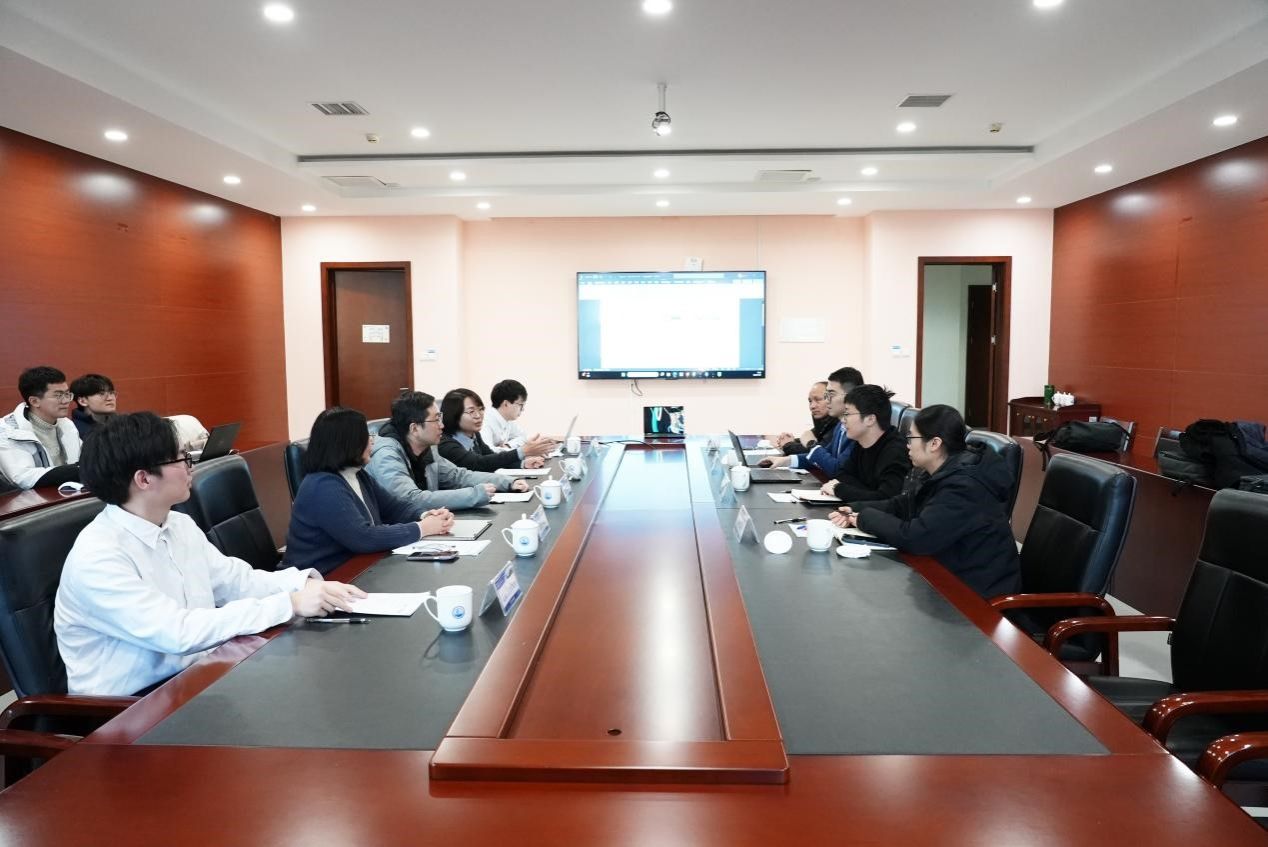
Kick-off Meeting for the Second Phase of the Tripartite Training Program
The Nuclear Power Institute of China, affiliated of the China National Nuclear Corporation (CNNC), is China's sole large-scale comprehensive scientific research center integrating nuclear reactor engineering research, design, testing, operation, and small-batch production. It is hailed as the "Cradle of China's Nuclear Power Engineering."
In 2021, the three parties initiated the first phase of the "Joint Doctoral Training and Scientific Research Cooperation" project, focusing on the cutting-edge international energy topic: "Corrosion, Wear, and Life Management of Key Materials in High-Temperature and High-Pressure Environments of Nuclear Power Plants." The project features a distinctive training model: selected students conduct research on key and hot topics in the global nuclear power sector, addressing subjects with both scientific value and engineering significance. They receive dual guidance from international material ageing R&D teams and top domestic engineering teams, with opportunities to apply research findings in global industrial practice. The project offers only 2-3 funded positions globally each year, making competition relatively fierce. In the first phase, Tianjin University had one doctoral student and one master's student selected, both of whom have completed the program.
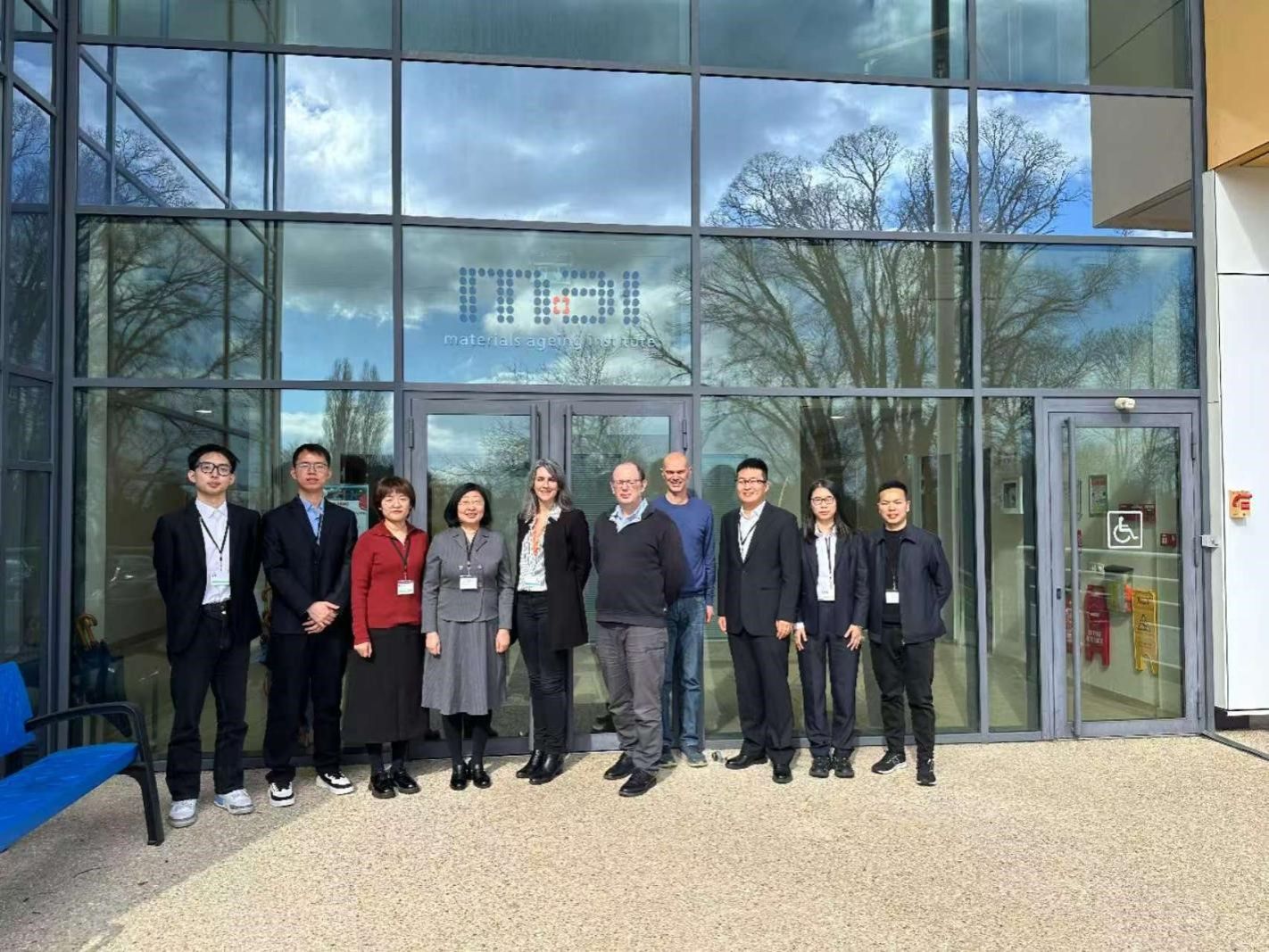
Project Completion in France for First Phase of the Tripartite Training Program
During the first phase, using the project "Research on the Coupling Mechanism of Fretting Wear and Corrosion of Heat Exchanger Tubes in Operating Environments" as a platform, the three parties established a collaborative innovation mechanism characterized by "deep embedding within an international industrial R&D network + a cross-border industry-university-research responsibility community." This promoted the deep integration of fundamental research, technological development, and engineering applications. The parties jointly published multiple high-level SCI-indexed papers in top-tier disciplinary journals. The team independently developed a high-temperature, high-pressure in-situ electrochemical testing system and established fretting-corrosion damage prediction databases and models, providing theoretical basis and technical tools for material selection, life assessment, and safety maintenance of nuclear power equipment. The related research findings play a significant supporting role in ensuring energy security and the sustainable development of nuclear power technology, achieving the cultivation of high-level scientific research talent within an international cooperation network.
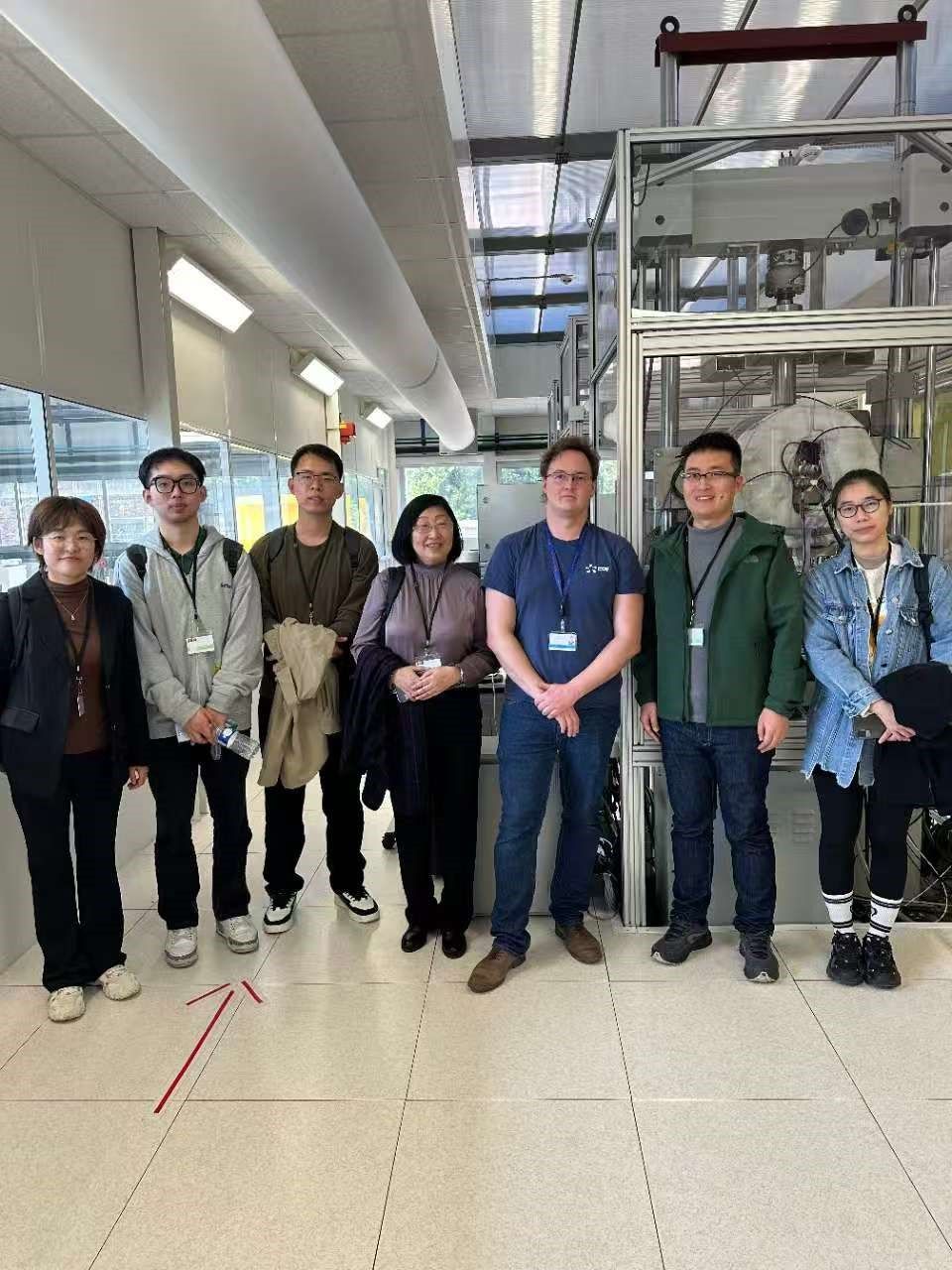
The tripartite team completed a field internship at EDF-MAI
The successful launch of the project's second phase marks another important upgrade in the deep international cooperation among the three parties. It represents another vivid practice of collaborative talent cultivation among Chinese universities, world-class international energy enterprises, and national-level research institutes under the "industry-university-research-application" model. This renewal and extension of the agreement further expands the original research directions into areas such as multi-scale behavior analysis of energy materials, life extension technologies, and intelligent monitoring. It also actively explores flexible and diverse talent exchange formats like short-term visits and young researcher workshops. The School will seize this cooperation opportunity to continuously deepen partnerships with international top-tier enterprises and research institutions, promote interdisciplinary integration across chemical engineering, materials science, nuclear engineering, and other fields, and cultivate high-level interdisciplinary talents with patriotic commitment, a global perspective, and innovative capabilities.
Focusing on the frontiers of world science and technology, and the key sectors of the economy, Tianjin University is preparing future-ready professionals by integrating industry, academia, and global resources to tackle global challenges and build a shared future for humanity.
By School of Chemical Engineering and Technology
Editor: Sun Xiaofang
Weijin Road Campus: No. 92 Weijin Road, Nankai District, Tianjin
300072
Peiyangyuan Campus: No.135 Yaguan Road, Haihe Education Park, Tianjin
300350